

Bradford Hardware

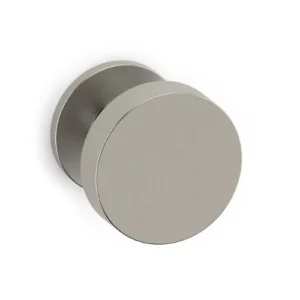
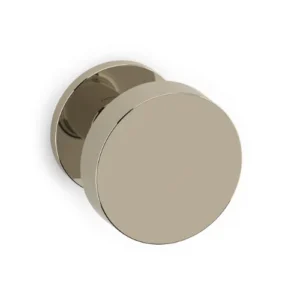
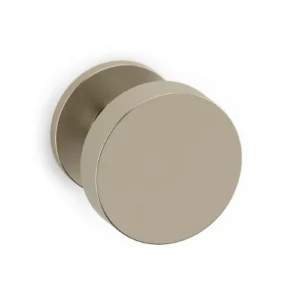
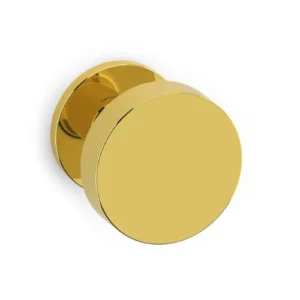
Finish Gallery

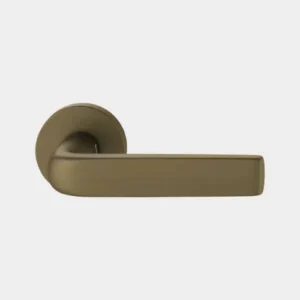
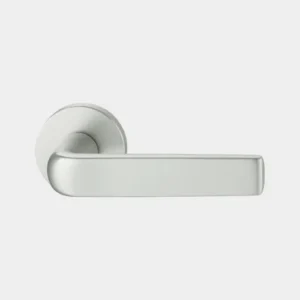
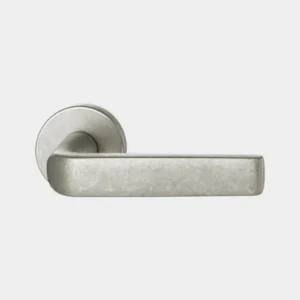
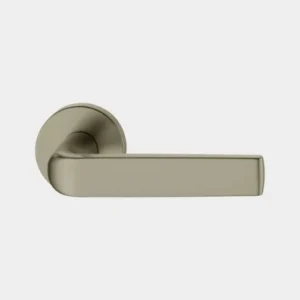
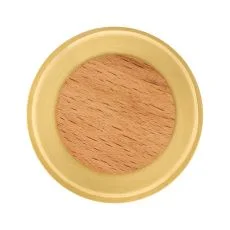
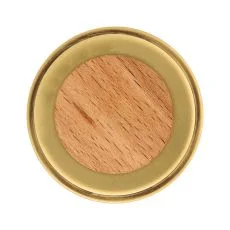
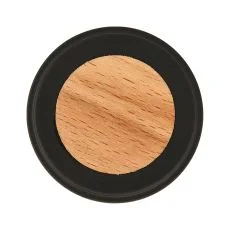
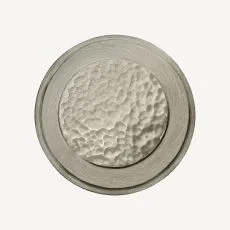
A finish is not simply colour. It is the result of material, method, and treatment working together to define character, durability, and performance.

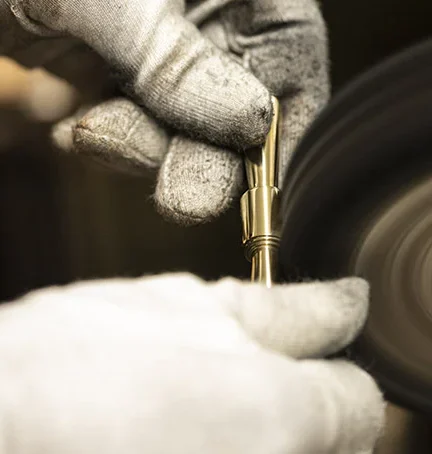
How Hardware Is Made

Hardware is made in three stages. It begins with the material, which determines the finishes that are possible. The forming process defines the shape. The finishing process creates the final colour and surface.

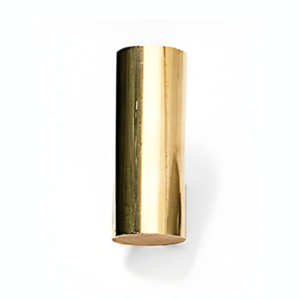
The Metal

Solid brass, bronze, stainless steel, or alloy.

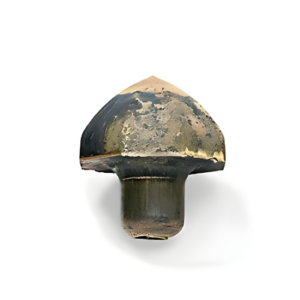
The Forming Process

Cast, forged, or machined into shape.

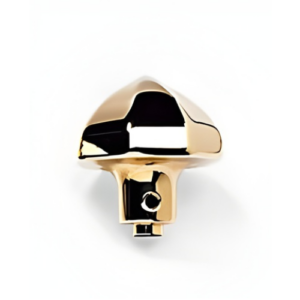
The Finishing Process

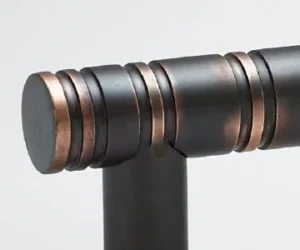
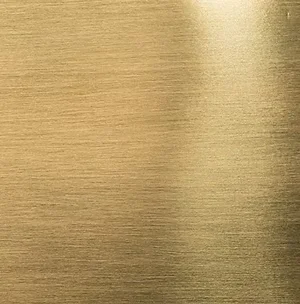
Brushed, polished, plated, aged, or coated.

Metals Guide

The metal beneath the finish defines how hardware performs, how it ages, and which surface treatments it can accept.
STAINLESS STEEL

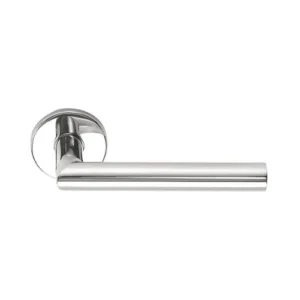
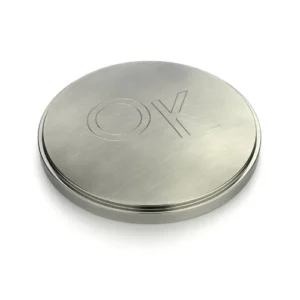
Stainless Steel

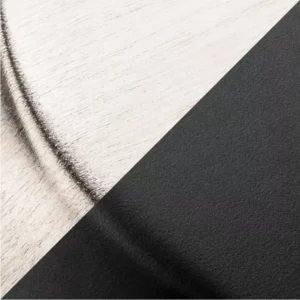
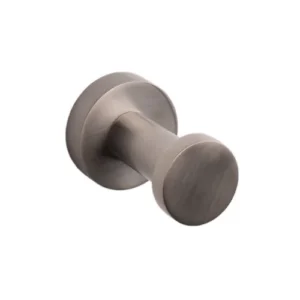
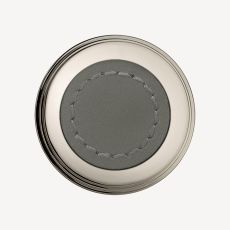
Highly durable and naturally corrosion-resistant. Maintains a consistent appearance over time with minimal maintenance.

Commonly used in: Coastal, exterior, or humid environments.

BRASS

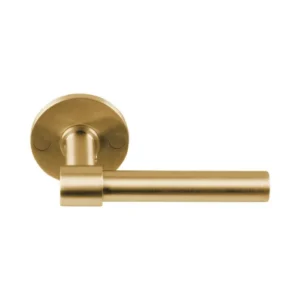
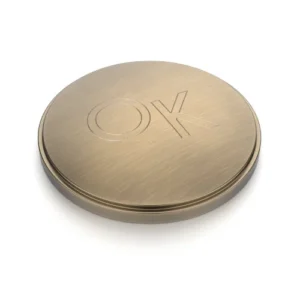
Brass

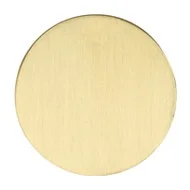
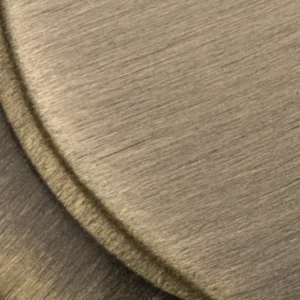
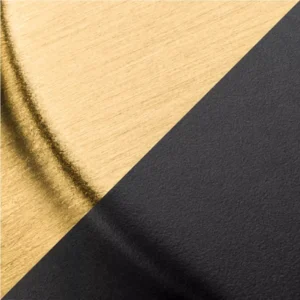
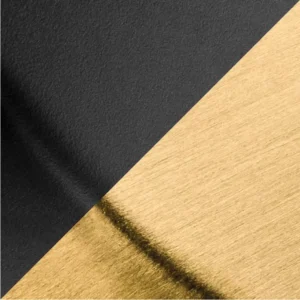
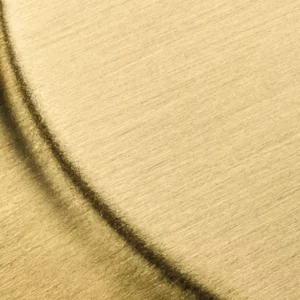
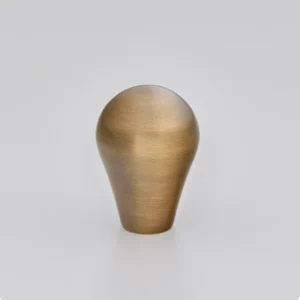
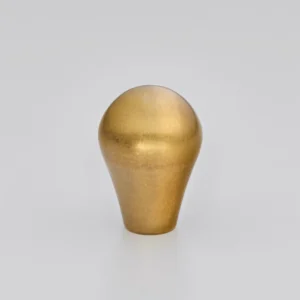
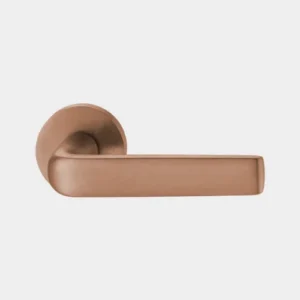
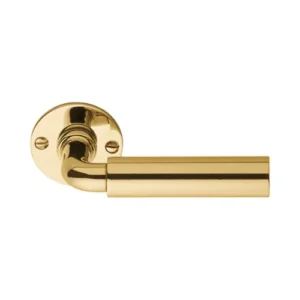
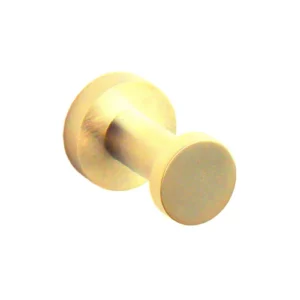
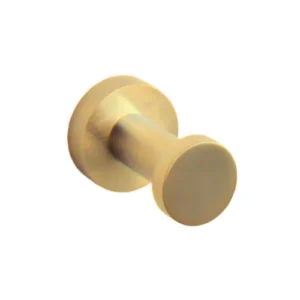
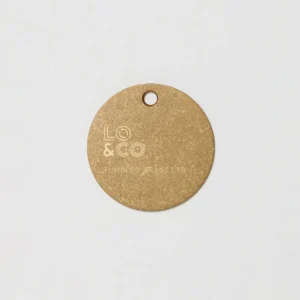
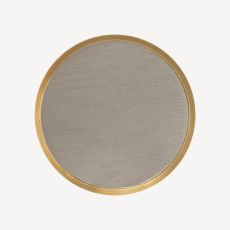
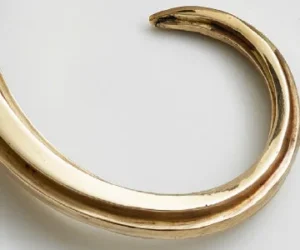
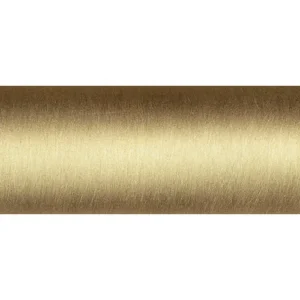
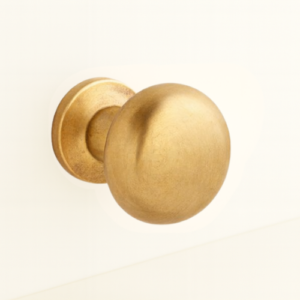
A copper-zinc alloy valued for its warmth and versatility. Can be polished, brushed, lacquered, or left to age naturally.

Commonly used in: Interior hardware and heritage-inspired spaces.

BRONZE

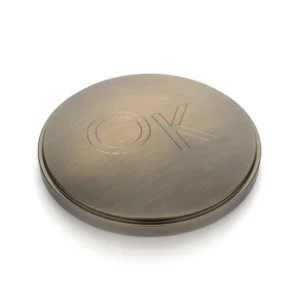
Bronze

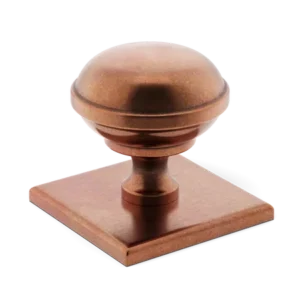
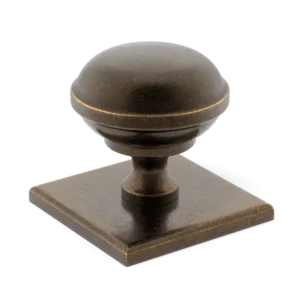
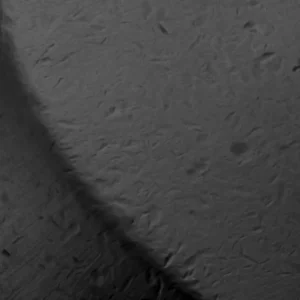
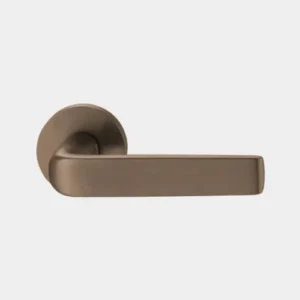
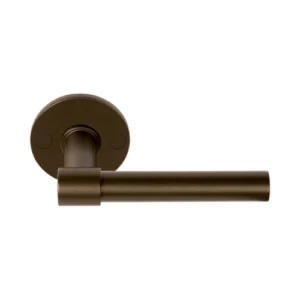
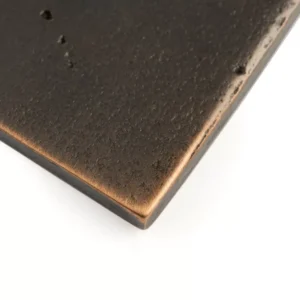
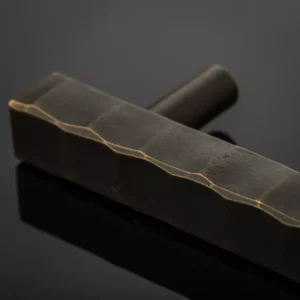
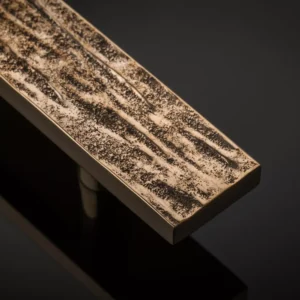
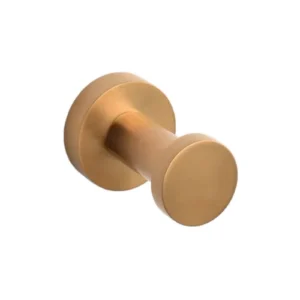
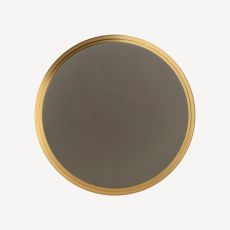
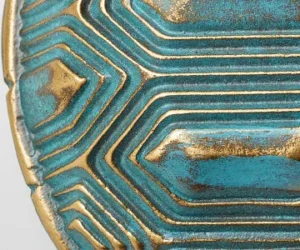
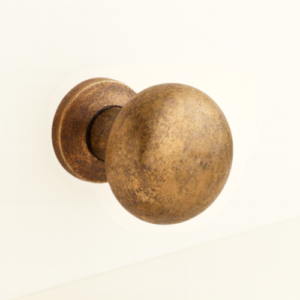
A copper-based alloy that develops a soft, evolving patina over time. Rich in tone and tactile in character.

Commonly used in: Bespoke, handcrafted, or organic design settings.

ZINC / ALLOY / BASE METALS

Zinc / Alloy Based

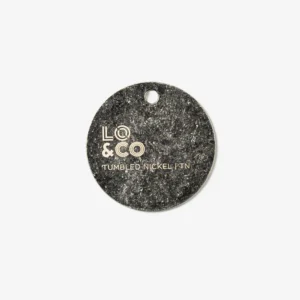
A cost-efficient base material that allows for consistent plated finishes. Lightweight and uniform in appearance.

Commonly used in: Interior applications with decorative finishes.

Understanding Finishes

Finishes age differently. Some are designed to change and develop character. Others are sealed or engineered to remain consistent over time. Below, they are ordered from most reactive to most stable.
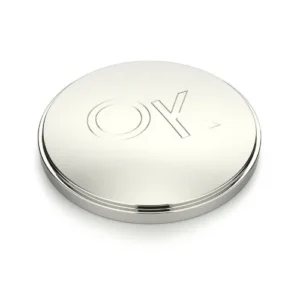
POLISHED

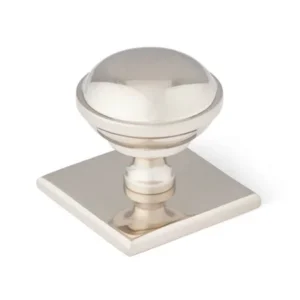
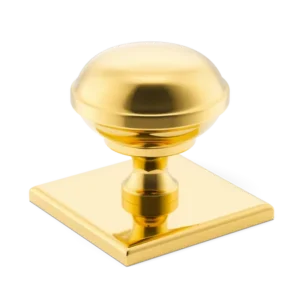
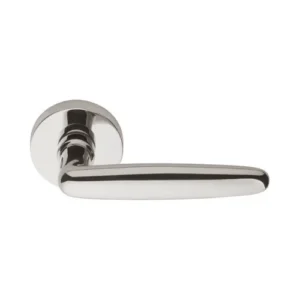
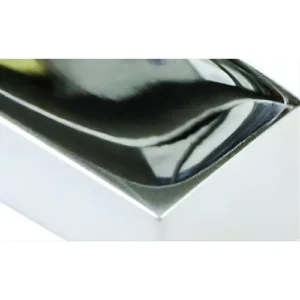
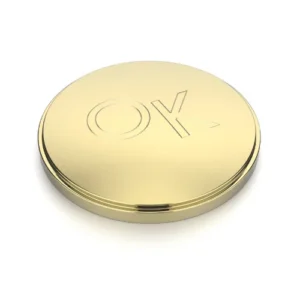
Polished & Lacquered

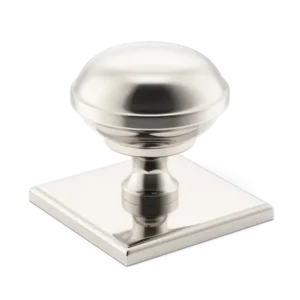
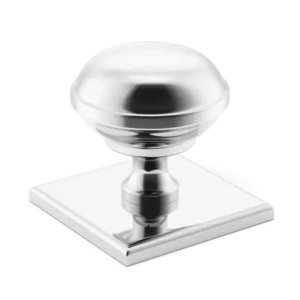
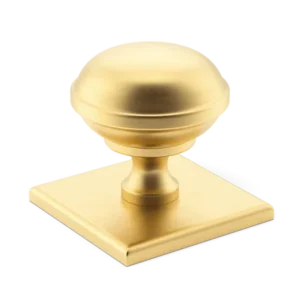
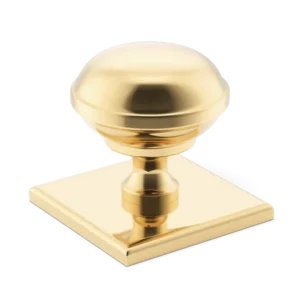
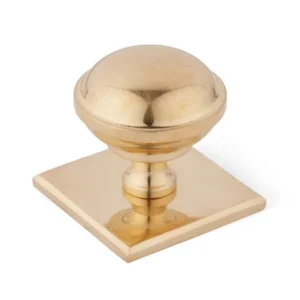
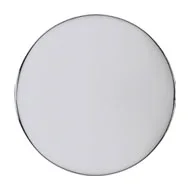
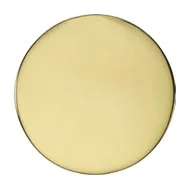
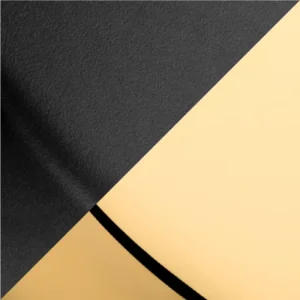
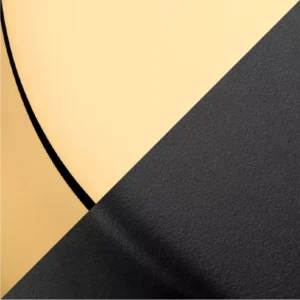
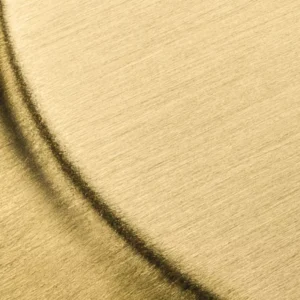
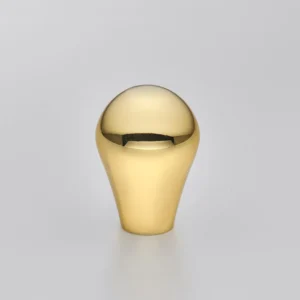
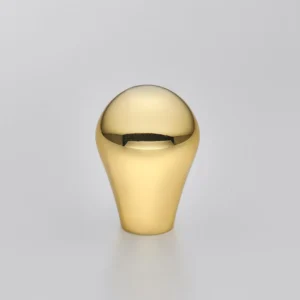
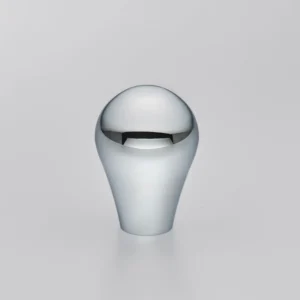
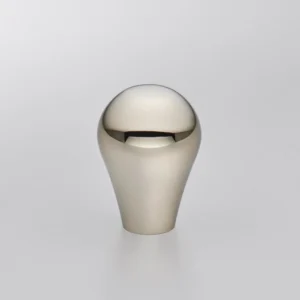
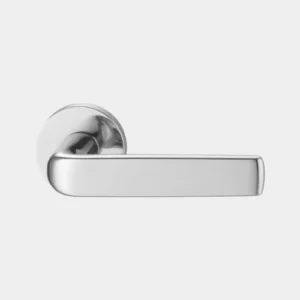
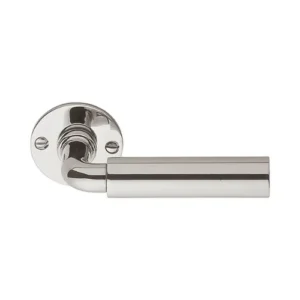
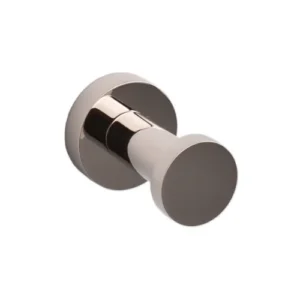
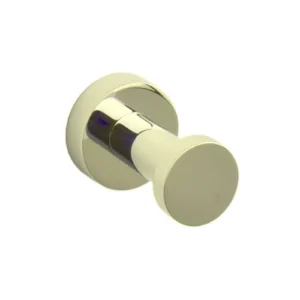
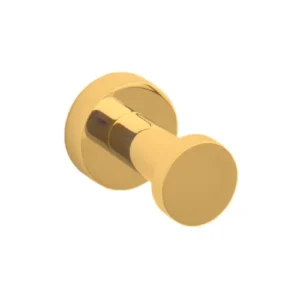
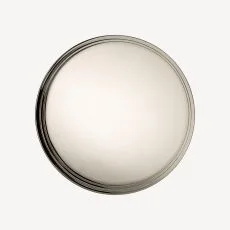
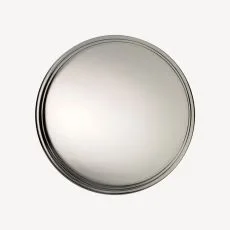
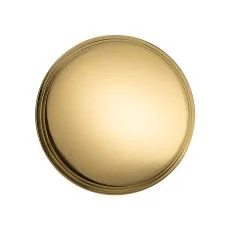
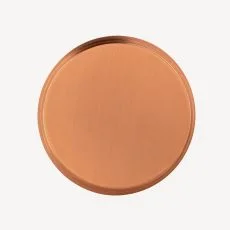
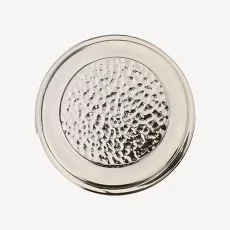
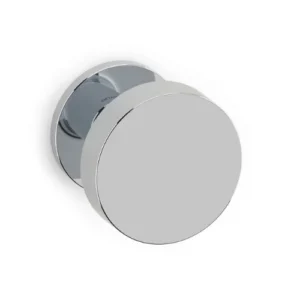
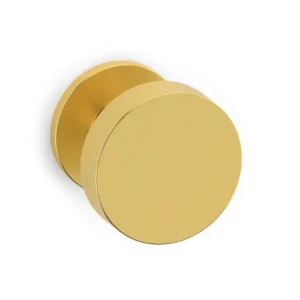
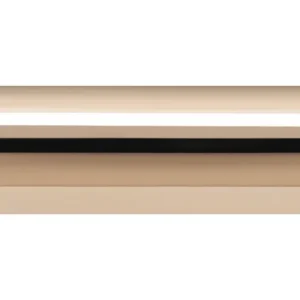
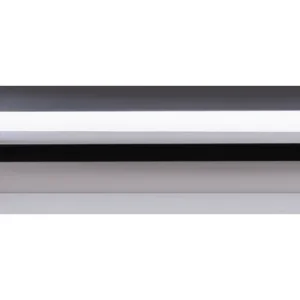
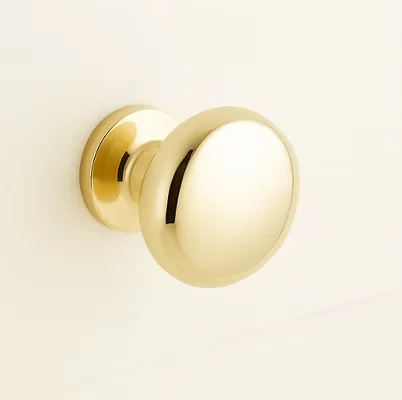
Smooth surface sealed with a clear protective coating. Slows oxidation and preserves the original tone. Remains consistent with proper care.
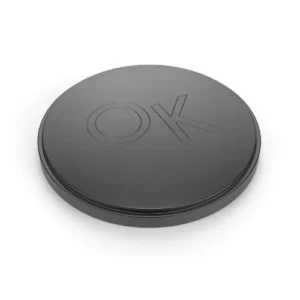
BRUSHED

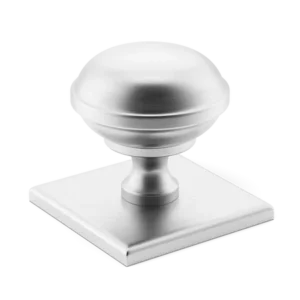
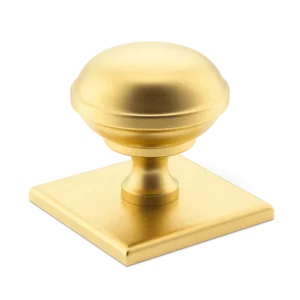
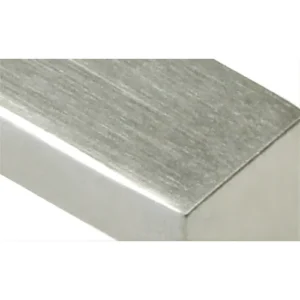
Brushed & Satin

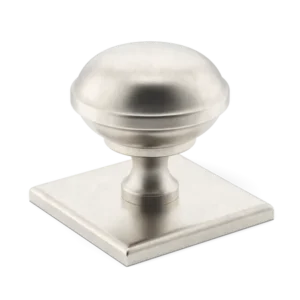
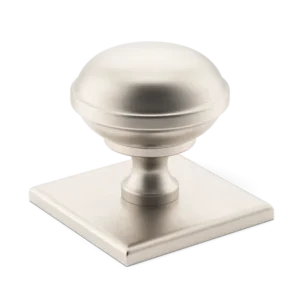
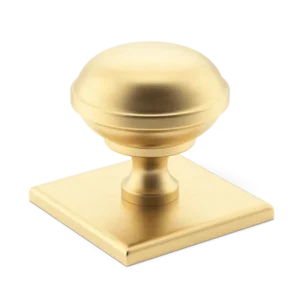
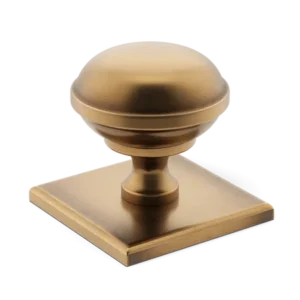
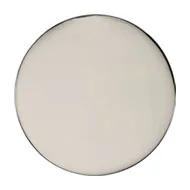
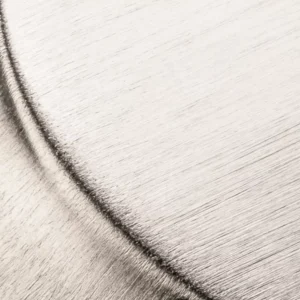
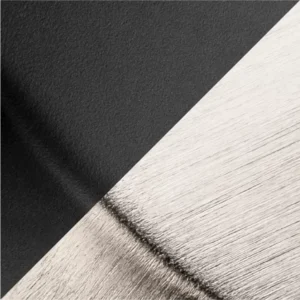
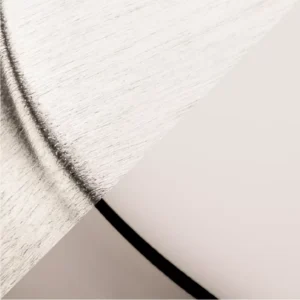
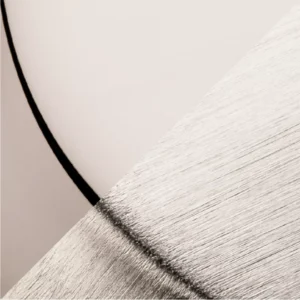
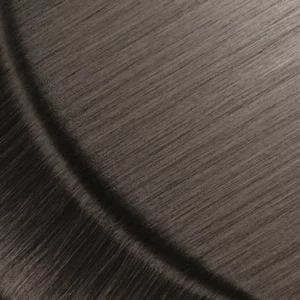
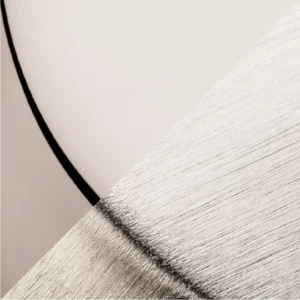
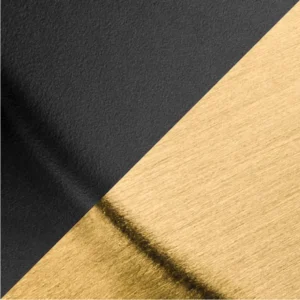
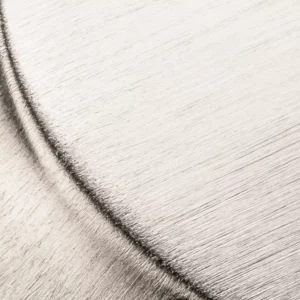
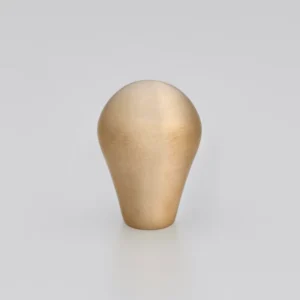
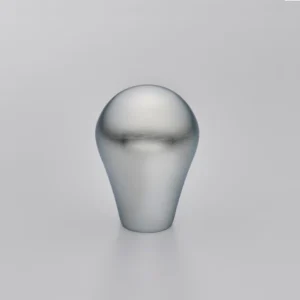
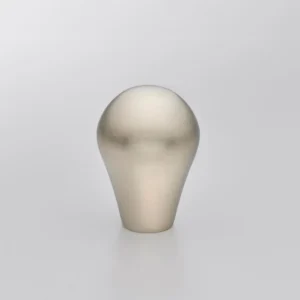
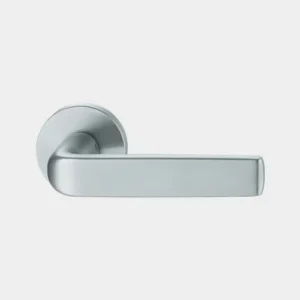
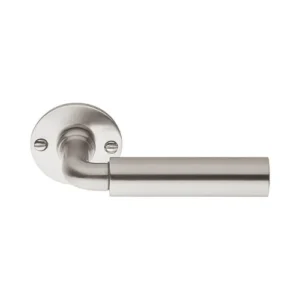
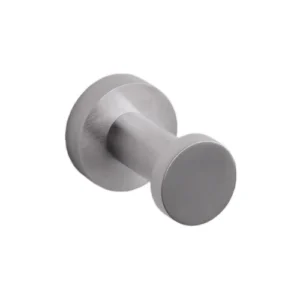
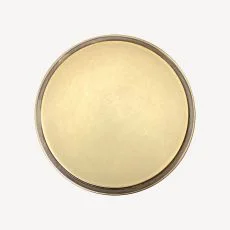
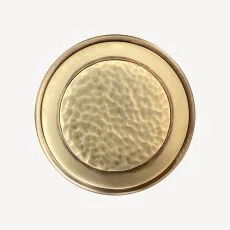
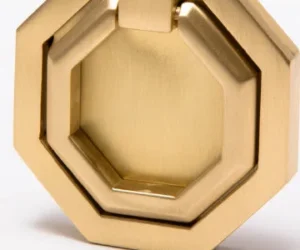
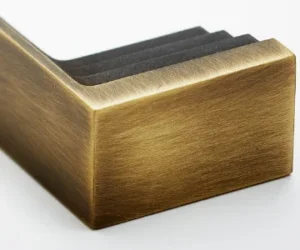
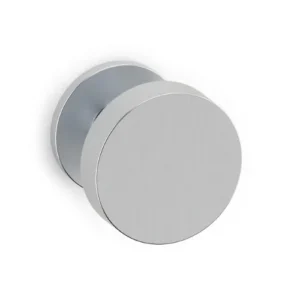
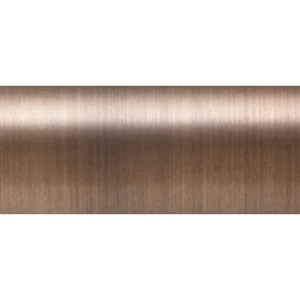
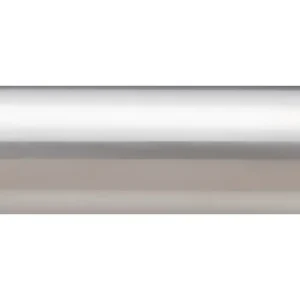
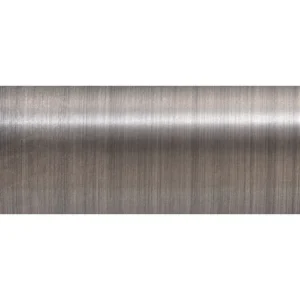
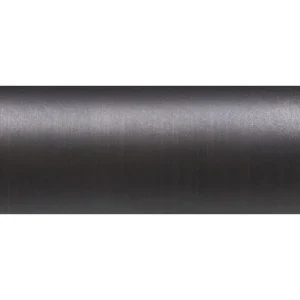
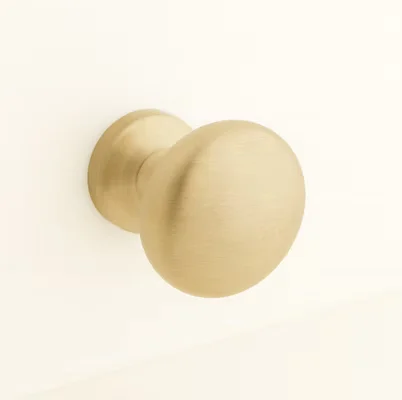
Lightly textured surface that softens reflection. Small marks blend into the grain with use. Ages gradually and evenly.
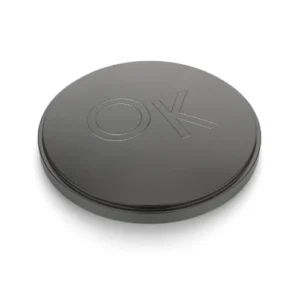
LIVING

Living & Unlacquered

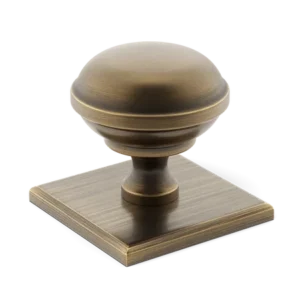
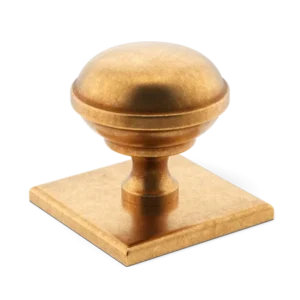
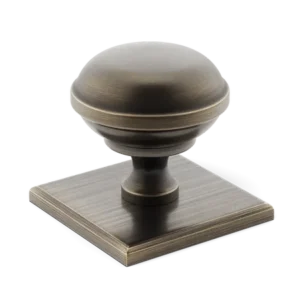
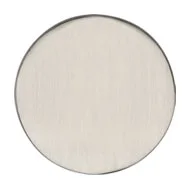
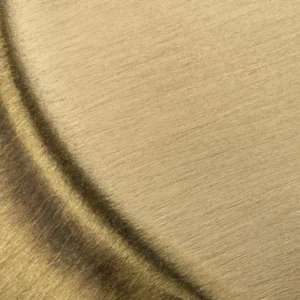
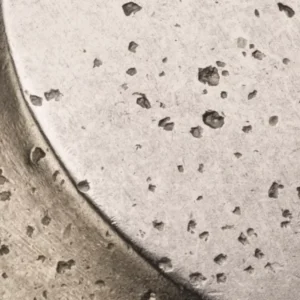
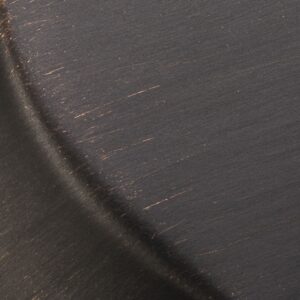
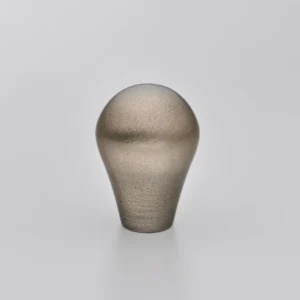
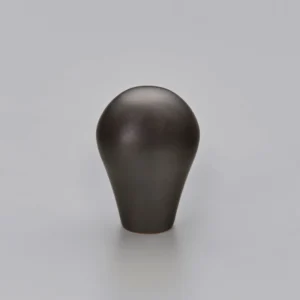
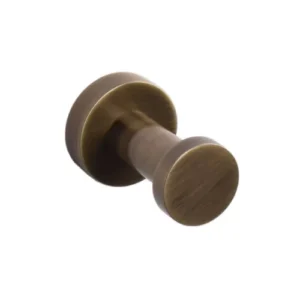
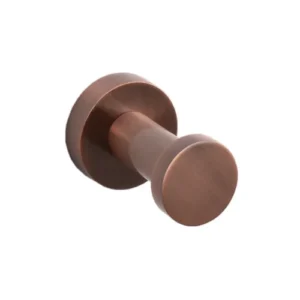
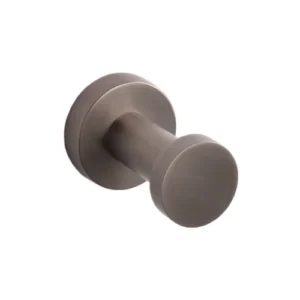
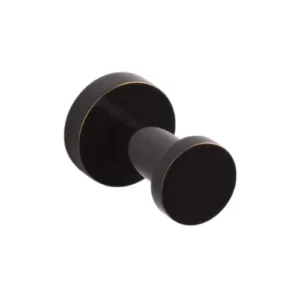
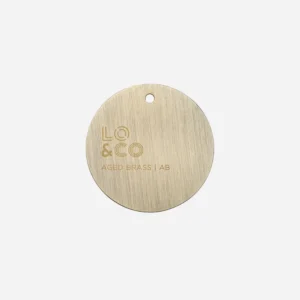
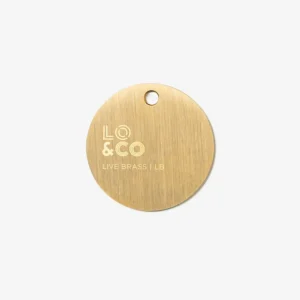
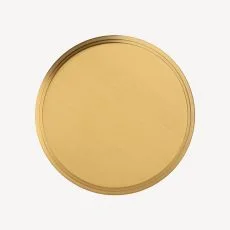
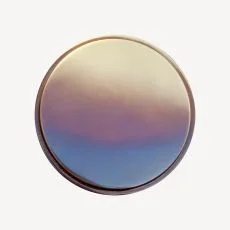
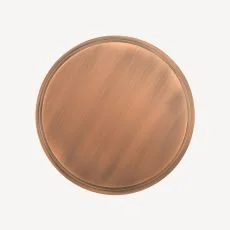
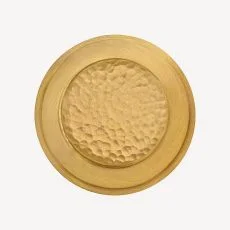
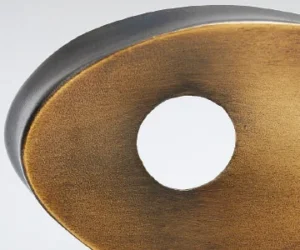
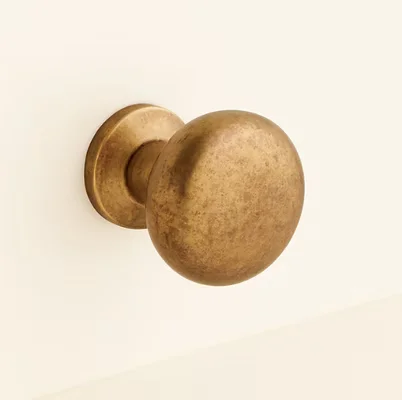
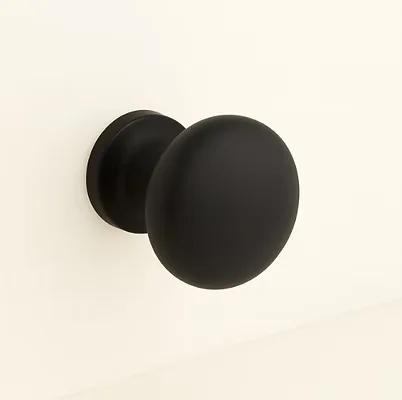
Unsealed metal exposed to air and touch. Will darken and develop natural patina over time. Designed to change and gain character.

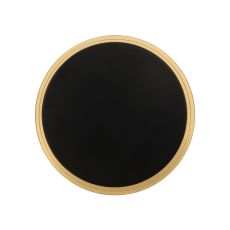
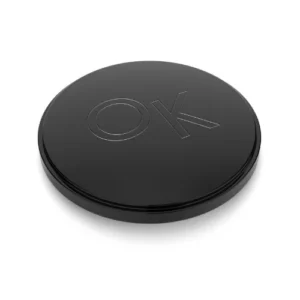
PVD & Powercoat

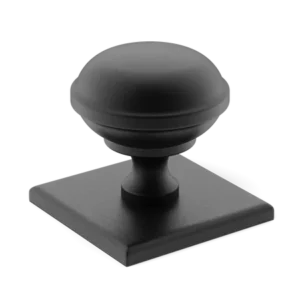
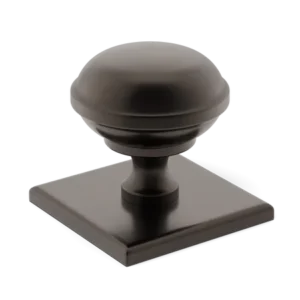
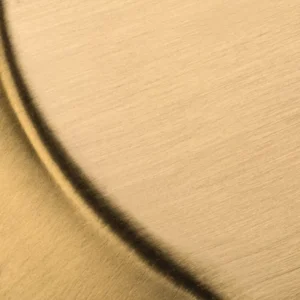
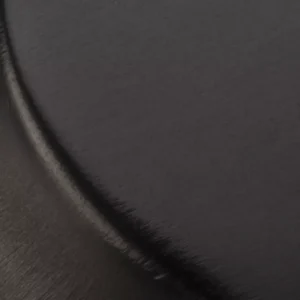
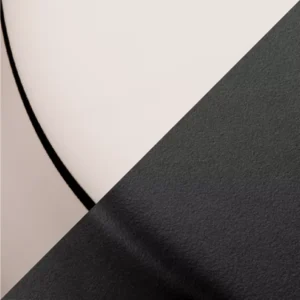
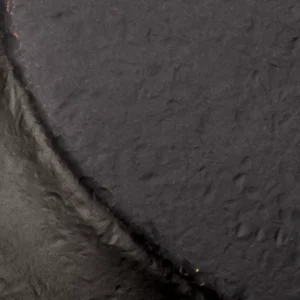
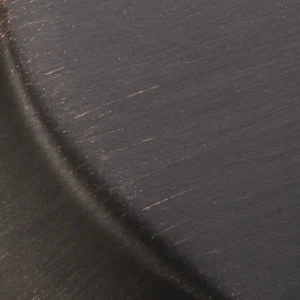
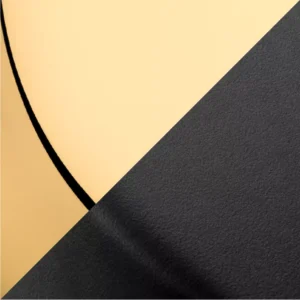
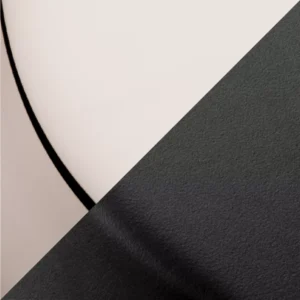
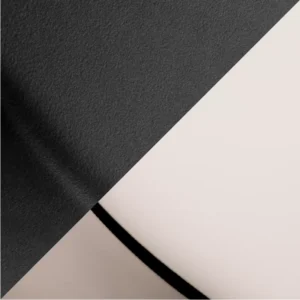
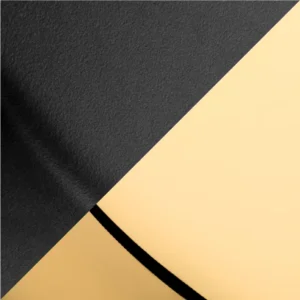
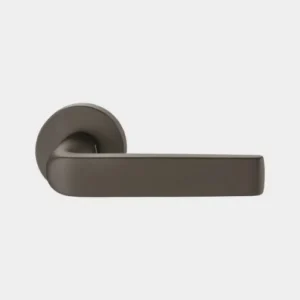
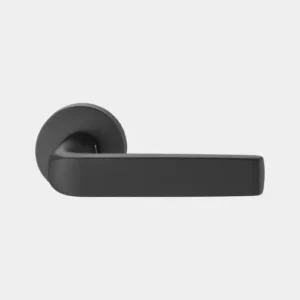
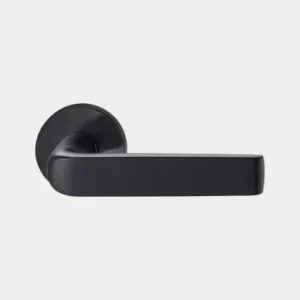
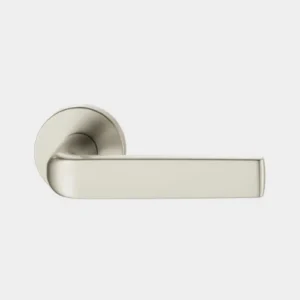
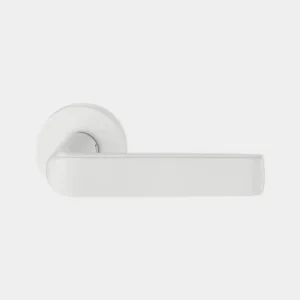
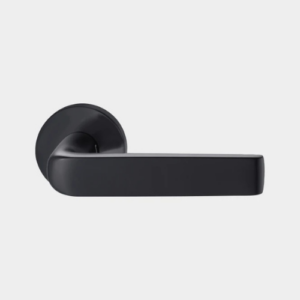
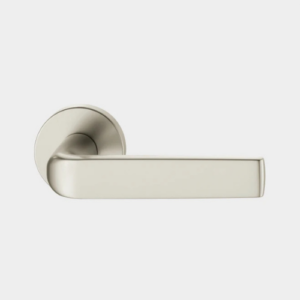
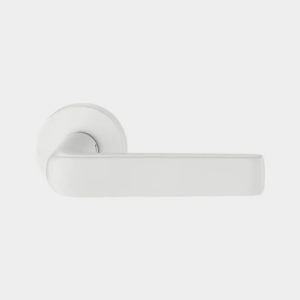
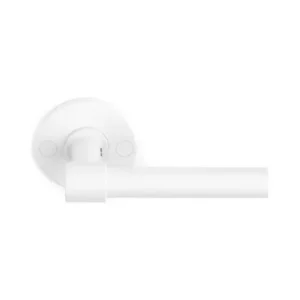
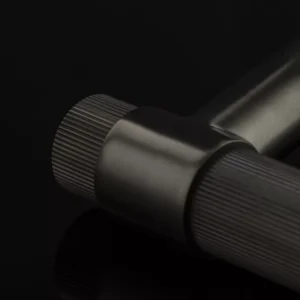
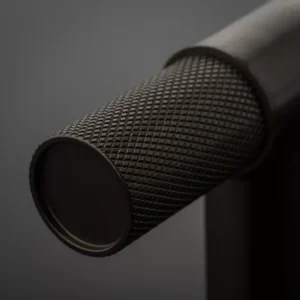
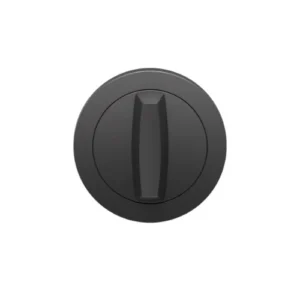
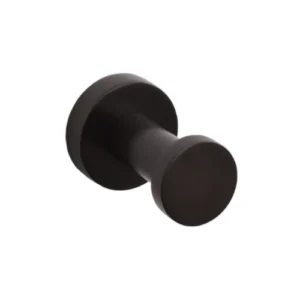
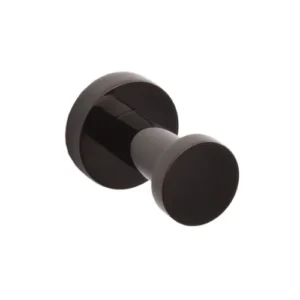
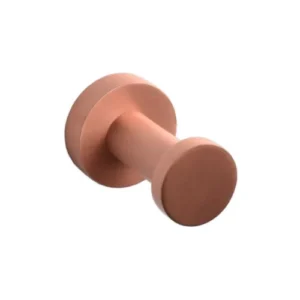
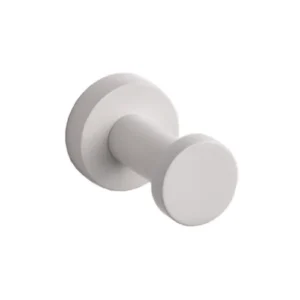
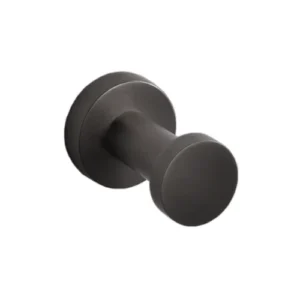
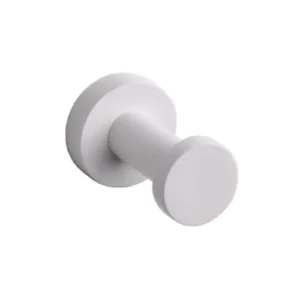
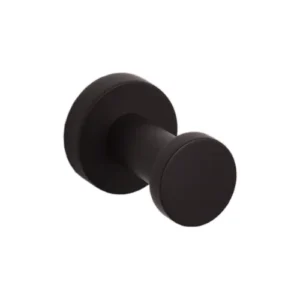
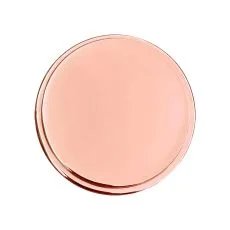
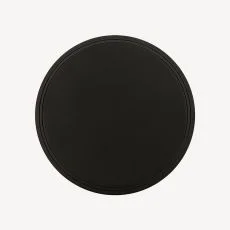
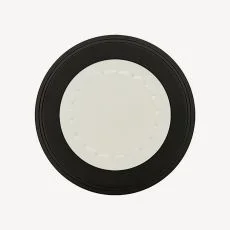
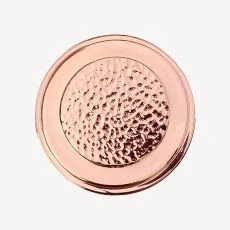
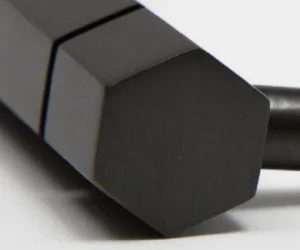
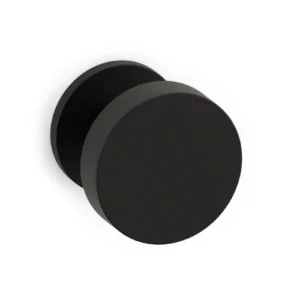
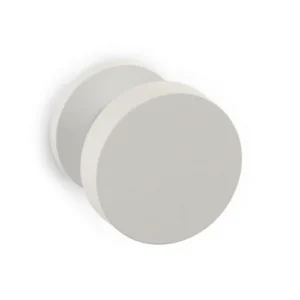
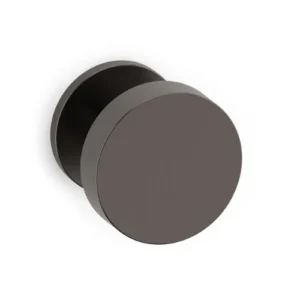
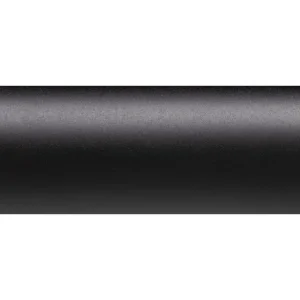
Protective coatings applied over the metal. Resist wear and corrosion but can show damage if chipped or scratched.

Living Finish Explained

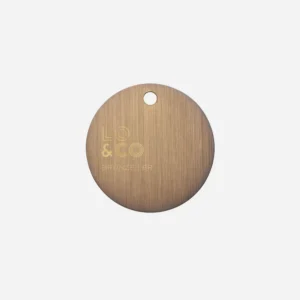
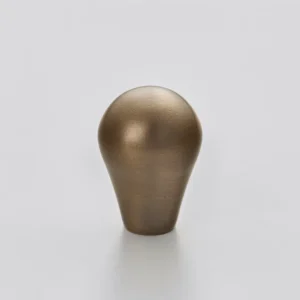
A living finish is unsealed metal. It reacts naturally to air, moisture, and touch, developing patina as it oxidizes. Patina is the surface change that occurs over time — gradual, natural, and unique to each piece.

Natural Surface

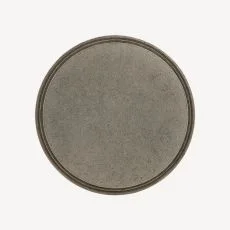
The original tone of the metal before visible oxidation.

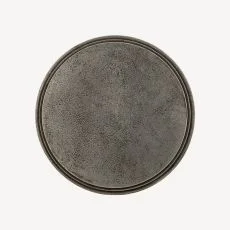
Mid Patina

Surface variation begins. High-touch areas deepen first.

Full Patina

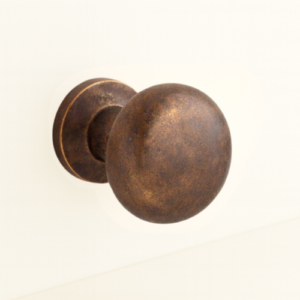
Richer tone and greater depth. Variation becomes part of the character.

General Care for Living Finishes
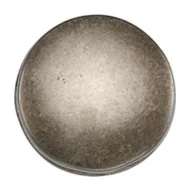
Living finishes are unsealed and designed to evolve.
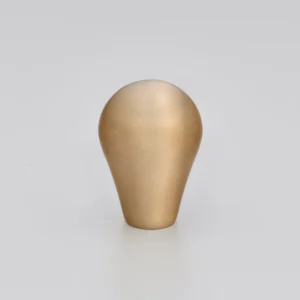
Surface change is natural and part of their character.

Routine Care

  1. Wipe gently with a soft, dry cloth.

  2. Avoid harsh chemicals or abrasive cleaners.

  3. Keep surfaces dry to minimize spotting.

Finish Gallery

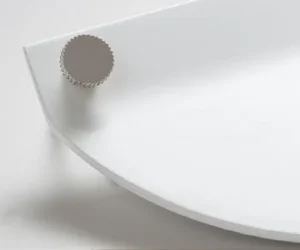
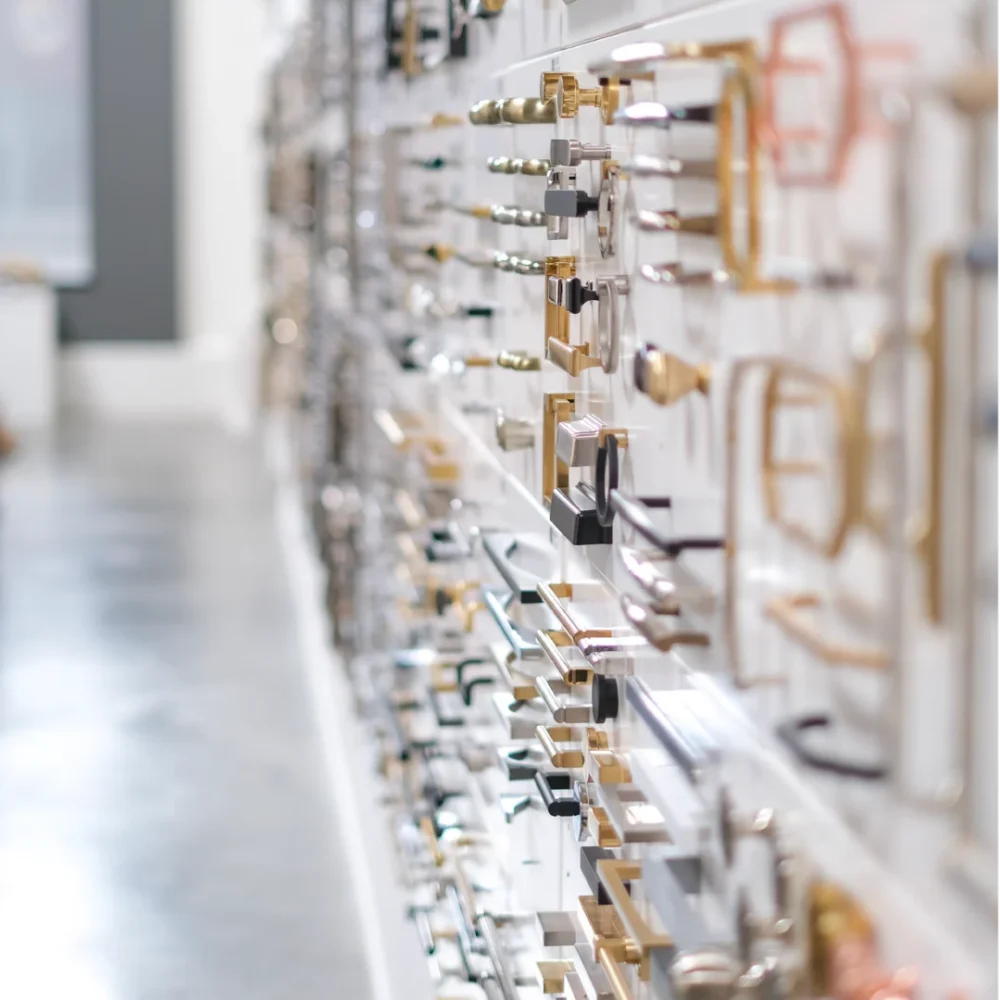
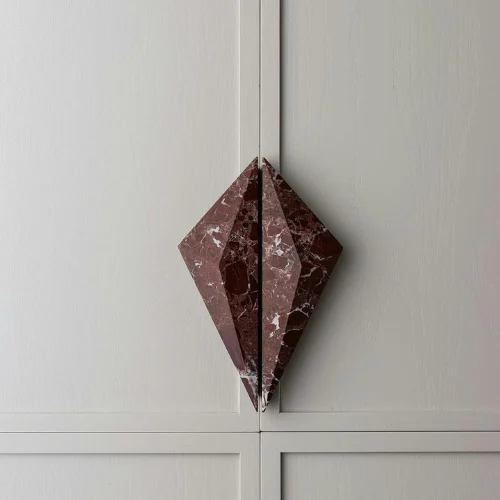
Cabinet hardware is the finishing touch that brings furniture and millwork to life — from simple knobs and pulls to latches and hinges that combine function and style.
GALLERY

Inspiration Gallery

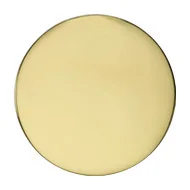
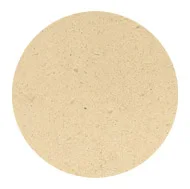
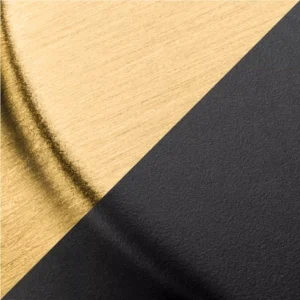
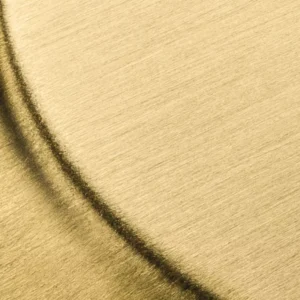
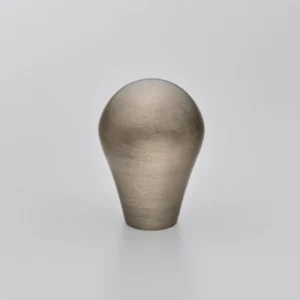
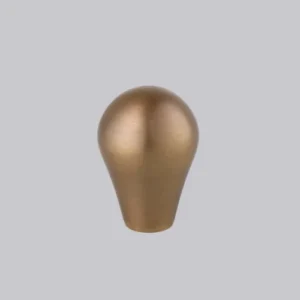
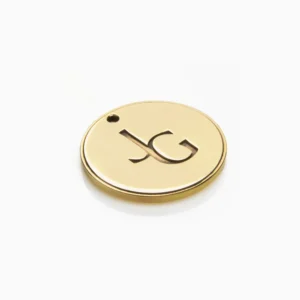
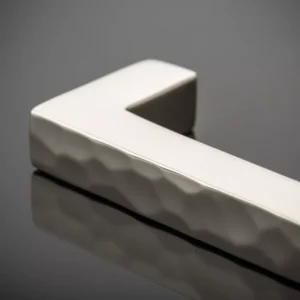
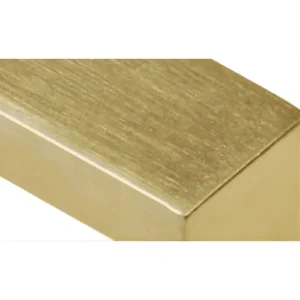
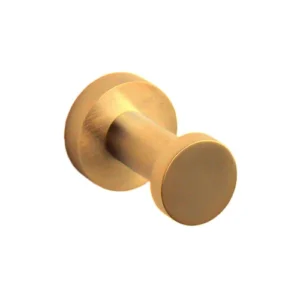
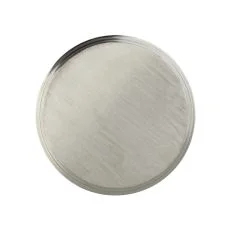
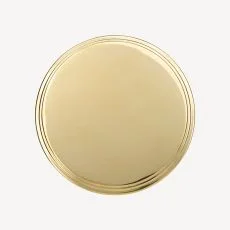
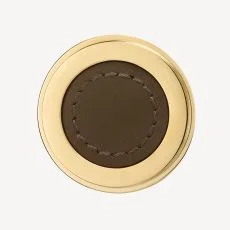
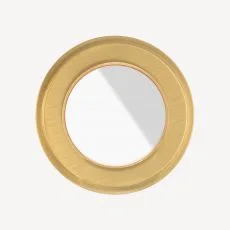
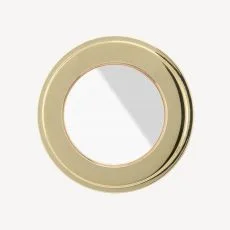
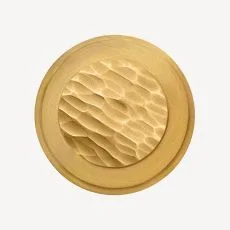
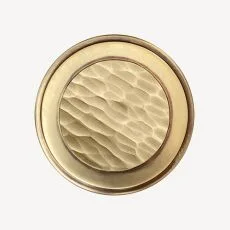
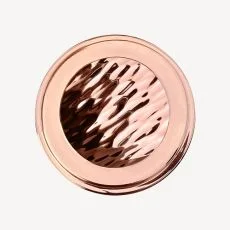
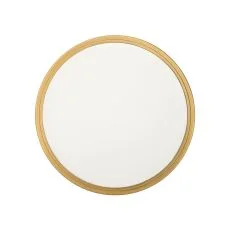
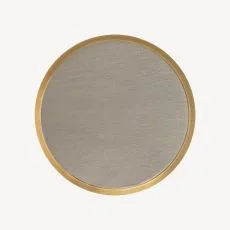
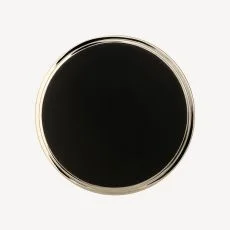
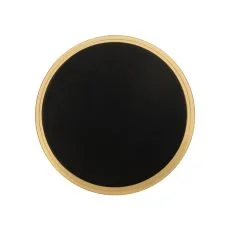
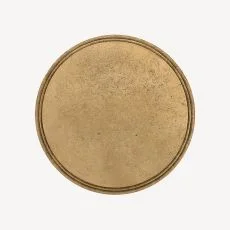
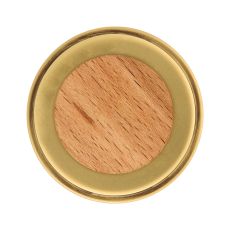
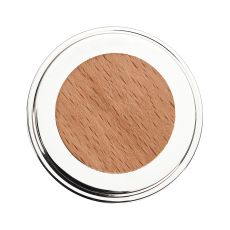
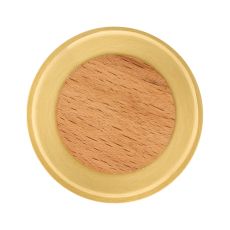
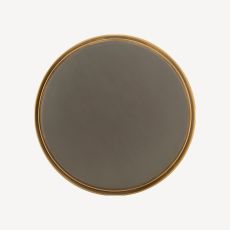
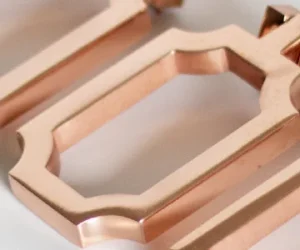
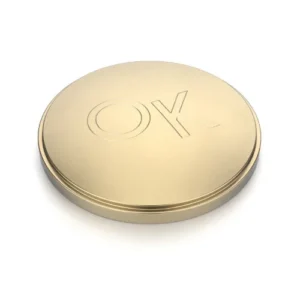
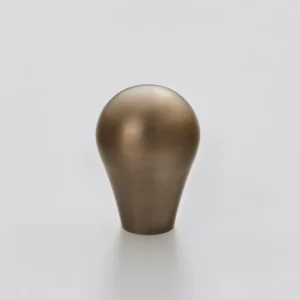
Brass Tones
Finish Gallery

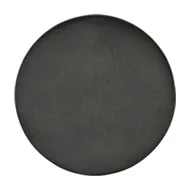
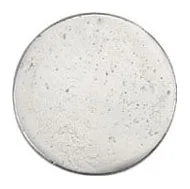
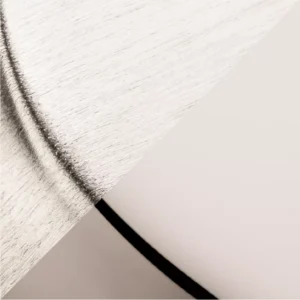
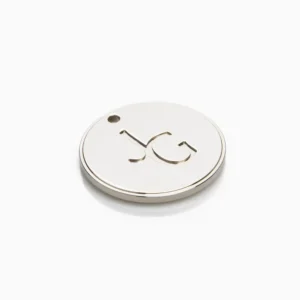
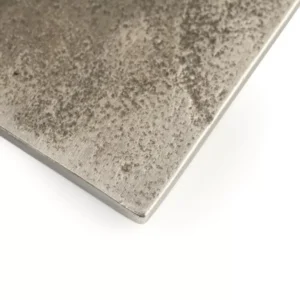
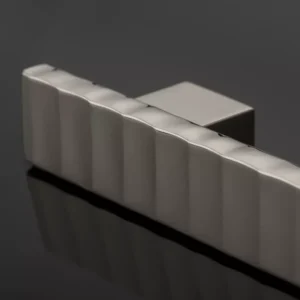
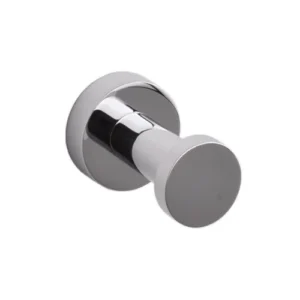
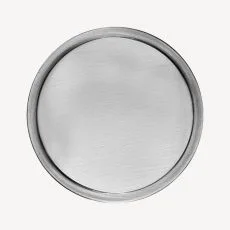
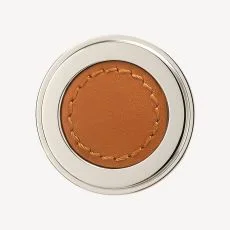
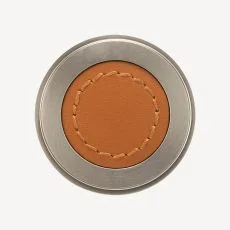
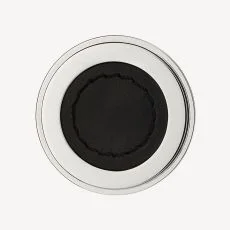
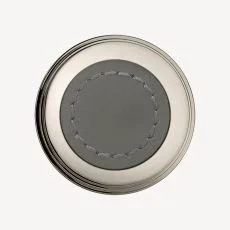
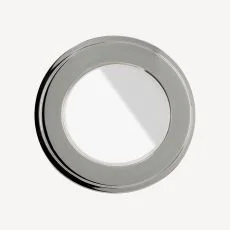
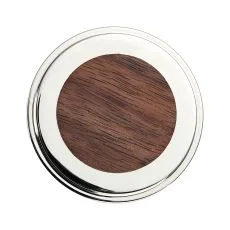
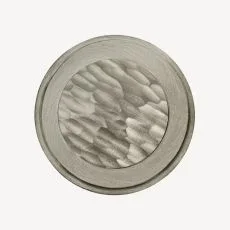
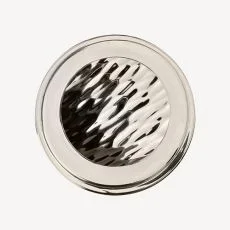
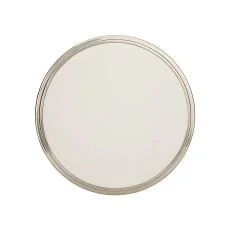
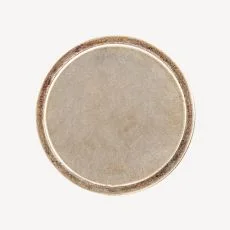
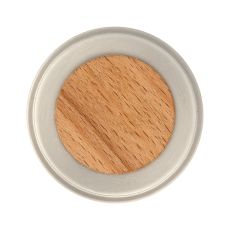
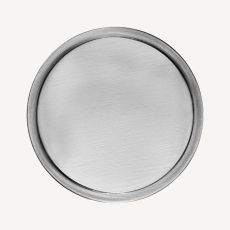
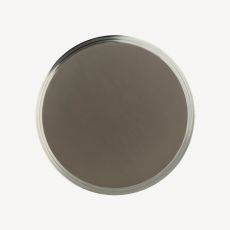
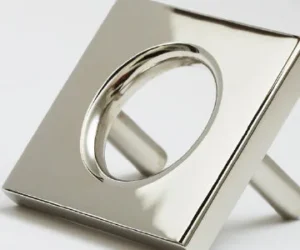
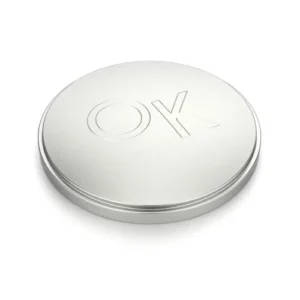
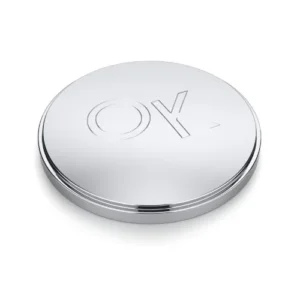
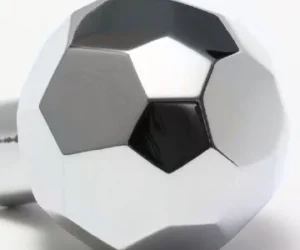
Silver Tones

Finish Gallery

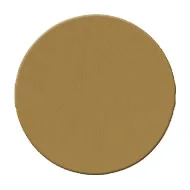
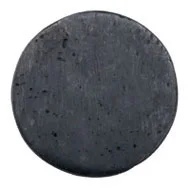
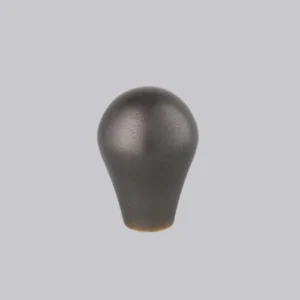
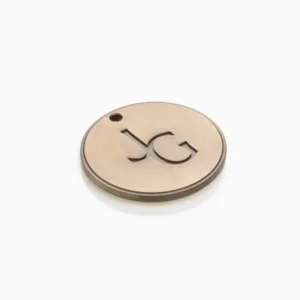
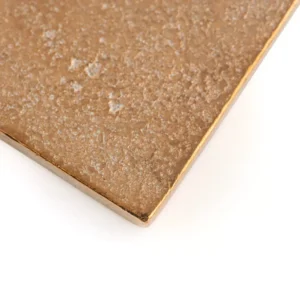
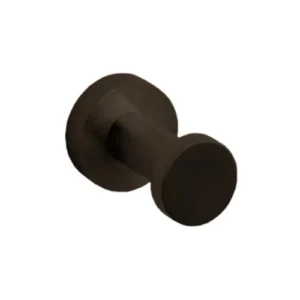
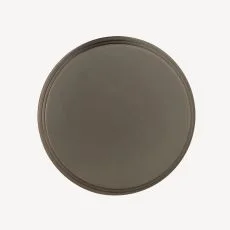
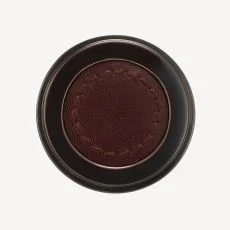
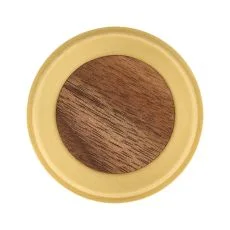
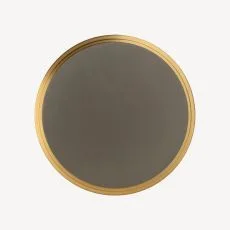
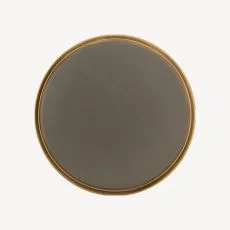
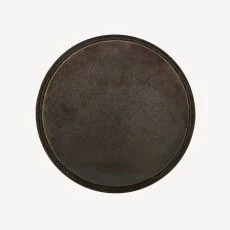
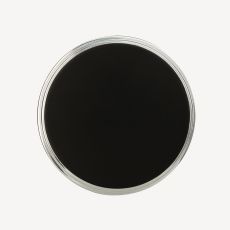
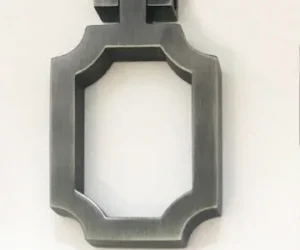
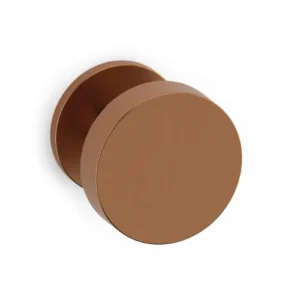
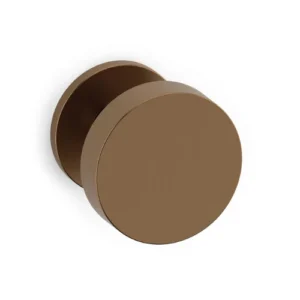
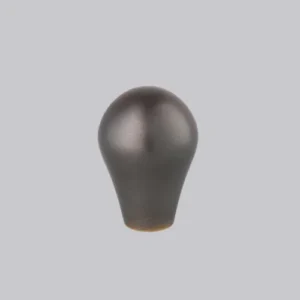
Bronze Tones
Finish Gallery

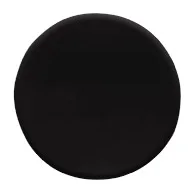
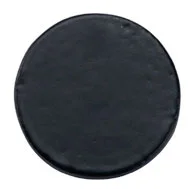
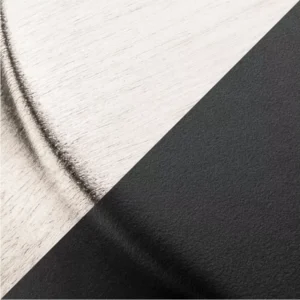
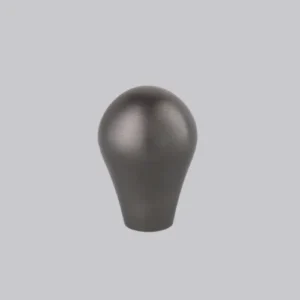
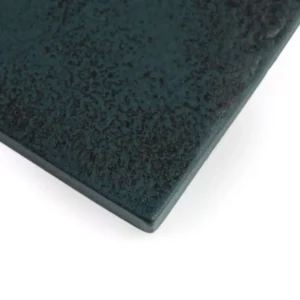
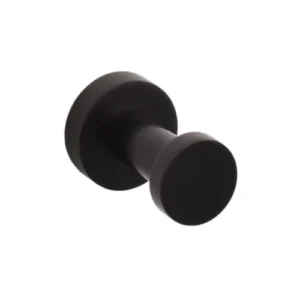
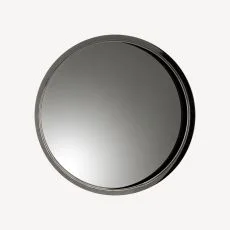
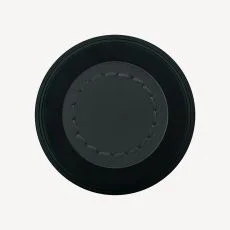
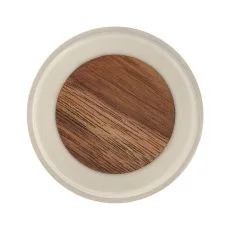
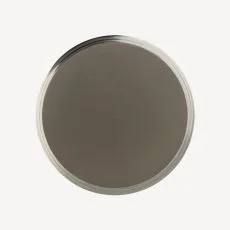
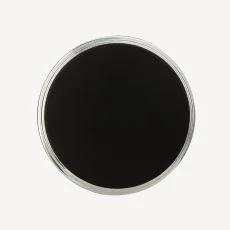
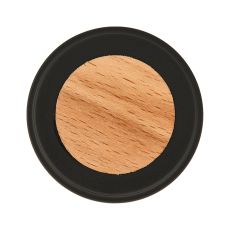
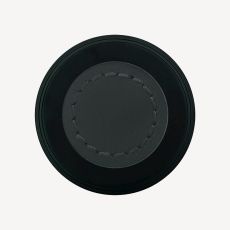
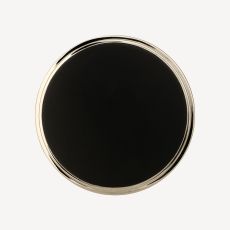
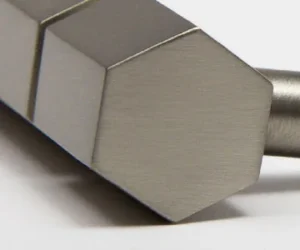
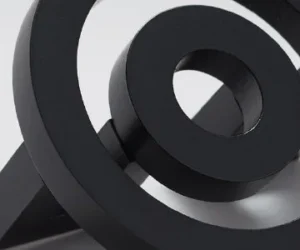
PVD & Powdercoat

Finish Gallery

White Palms by
STEPHANIE BROWN

White Palms by

STEPHANIE BROWN

White Palms by

STEPHANIE BROWN

White Palms by

STEPHANIE BROWN