Bradford Hardware

EDUCATION

Door Hardware 101

The complete guide to choosing, measuring, and upgrading door hardware with confidence.

education
START HERE

Questions to Ask when Choosing Door Hardware

A door function explains what a handle or lock does — whether it just turns, locks for privacy, stays fixed for decoration, or locks with a key for security.
01

The Door

Everything begins with the architecture. The door itself determines what hardware is possible — from lock type to installation method.

> View Types of Doors

Determining Door Measurements

Proper hardware require proper installation measurements to order and install.
03

Lock Type

The function determines what the hardware does on the door.

> View Types of Locks
02

Function

The function determines what the hardware does on the door.

> View Hardware Functions
04

Handle Type

The function determines what the hardware does on the door.

> View Types of Functions
DOOR HARDWARE 101

Interior Door Functions

A door function explains what a handle or lock does — whether it just turns, locks for privacy, stays fixed for decoration, or locks with a key for security.

Passage

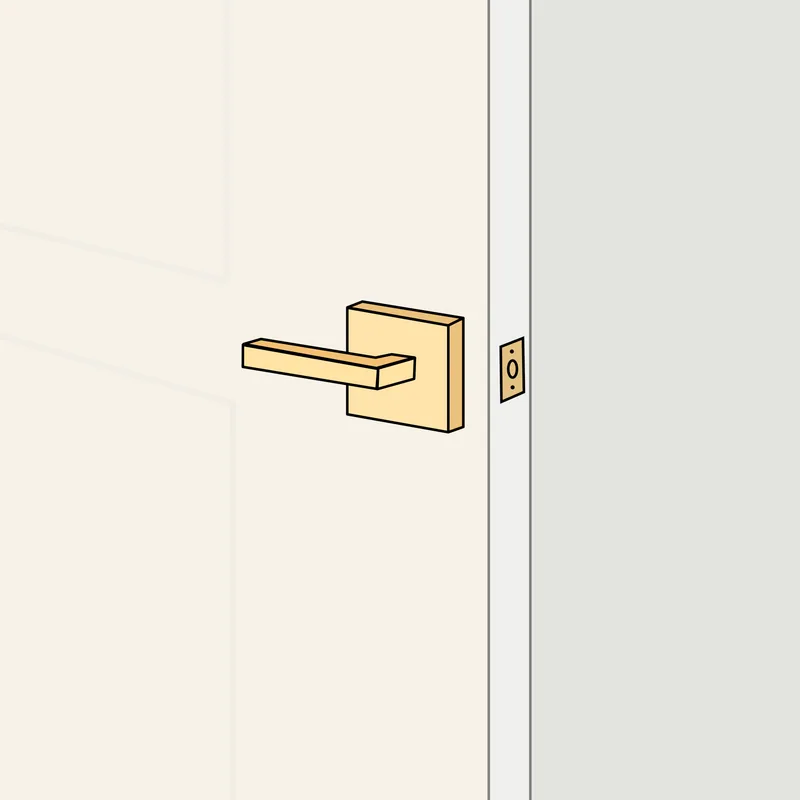
Non-locking hardware for interior doors. Perfect for rooms that don’t require privacy.

Privacy

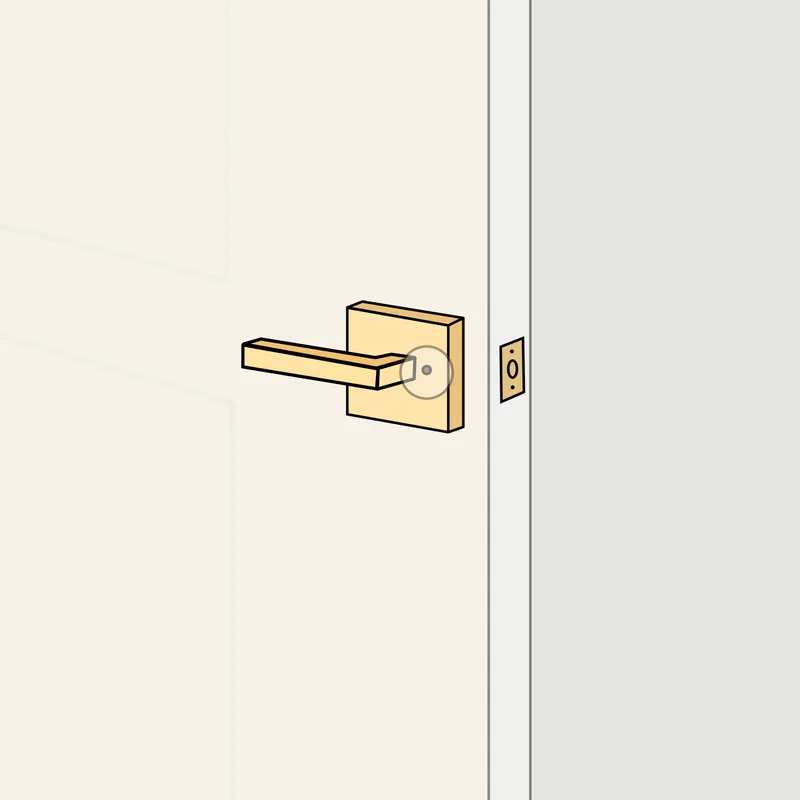
Lockable hardware for bathrooms, bedrooms, or other rooms where privacy is needed.

Single Dummy

Non-functioning, for doors or panels that don’t need a latch - often used on closets or double doors.

Dummy Set

A non-functioning for doors without a latch. Can be installed on one side of the door or back-to-back.

Passage + Privacy Bolt

A combination setup using a passage latch for general access and a separate privacy bolt for added security.

Key-in Lever

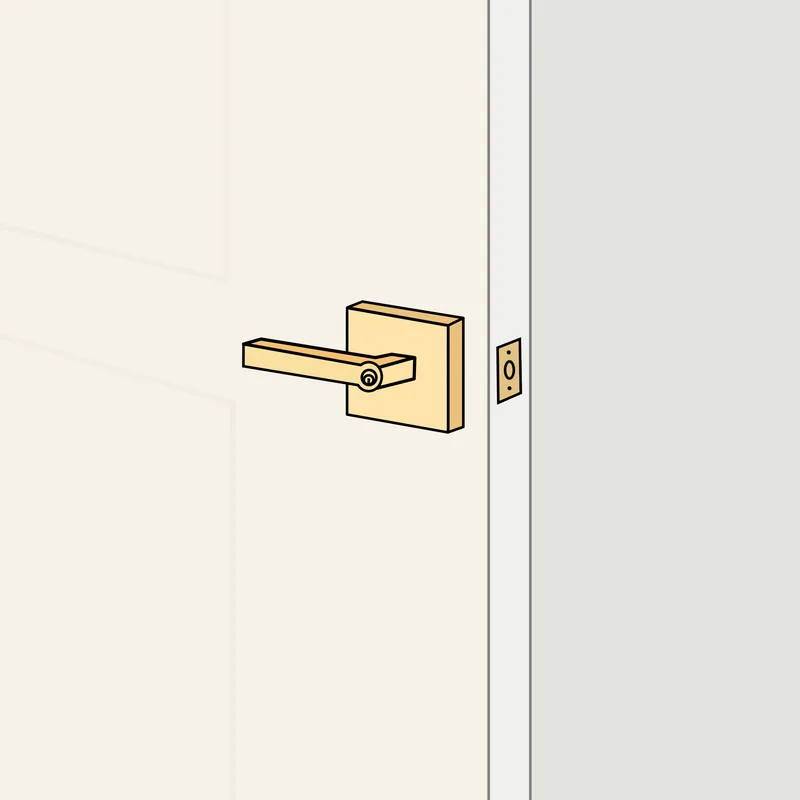
A lever that operates with a key, offering added security. Commonly used for garages or offices. These systems provide convenience but can wear or break down over time with frequent use.

Exterior Door Functions

A door function explains what a handle or lock does — whether it just turns, locks for privacy, stays fixed for decoration, or locks with a key for security.

Passage Set + Deadbolt

Separate lever and deadbolt. Often used for secondary or garage doors.

Sectional Grip Set

Grip handle with a separate deadbolt above. Flexible installation, no fixed spacing required.

Monolithic Grip Set

Grip and deadbolt combined on a single backplate. Requires specific door prep.

Full Grip Set

Tall plate with integrated grip and deadbolt. Sleek, modern look. Requires specific door prep.

Electronic Deadbolt + Grip

Keypad deadbolt paired with a grip handle. Great for main, side or garage entry with keyless access.

Sideplate

Compact vertical plate with lever and deadbolt in one. Streamlined and minimal.

Multipoint Trim

Trim to work with a multipoint lock (sold separately). Provides the exterior style and function, but requires a compatible lock and professional installation.

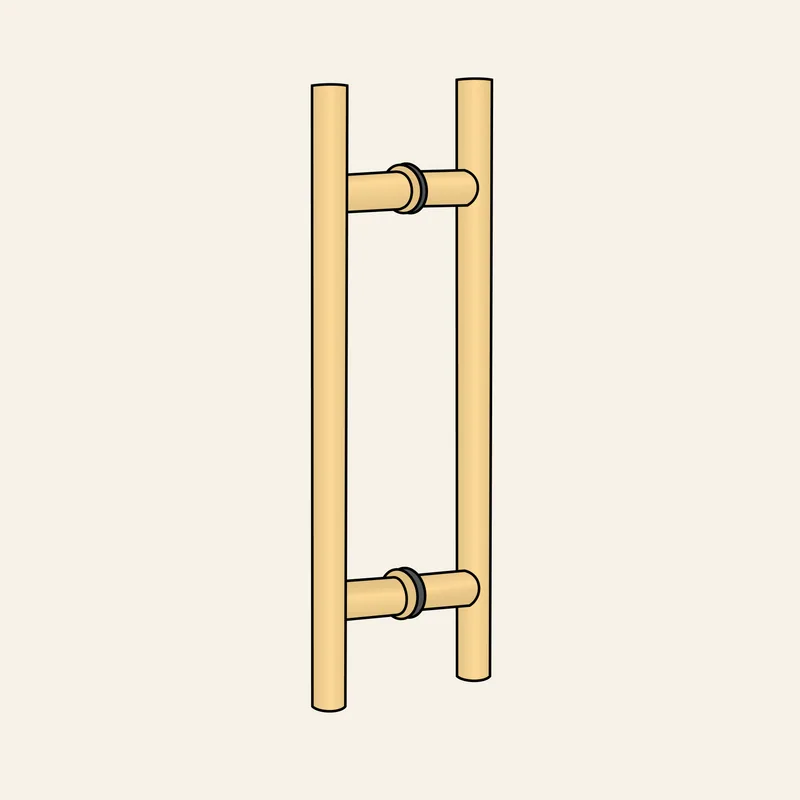
Door Pull + Deadbolt + Roller Latch

Back-to-back door pulls with separate deadbolt and roller latch for functionality without a lever.

How a standard style tubular lever set works?

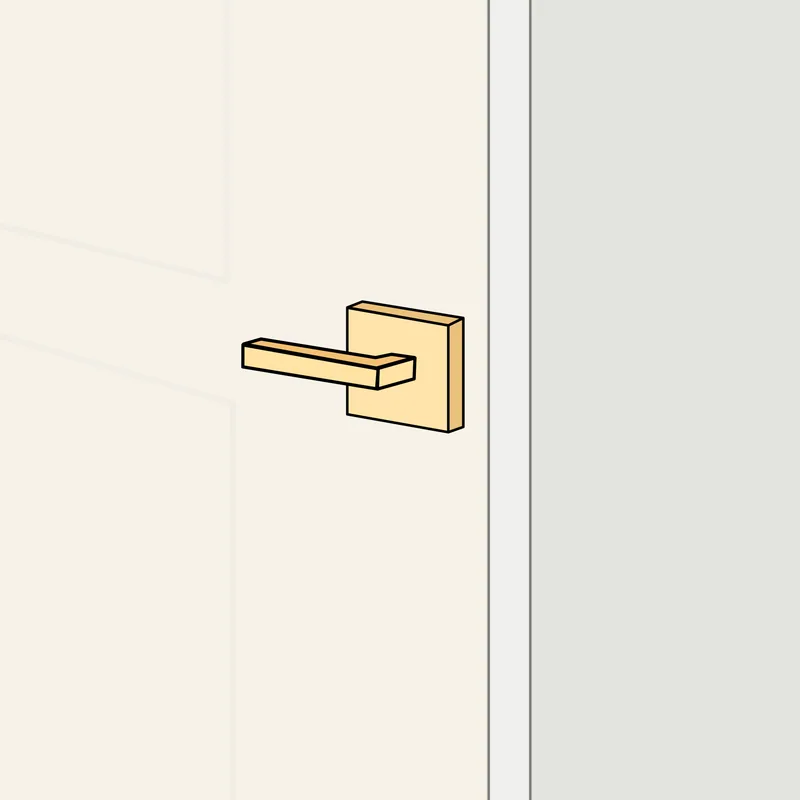
A tubular lever set uses a spindle that passes through the latch and connects both levers. Turning the lever rotates the spindle, pulling back the latch so the door can open.

Standard Tubular Set

In a passage set, the spindle connects directly through the latch to both levers. Turning either lever retracts the latch, allowing free operation without a lock.

Standard Privacy Set

In a privacy set, a locking pin prevents the lever from turning when engaged. The latch can still be released in an emergency by inserting a small tool into the privacy hole on the outside.
FAQ

Latch & Lock Types

Different hardware uses different latch and lock mechanisms, each designed for specific levels of security, durability, and function. Understanding the options helps in choosing the right system for your door.

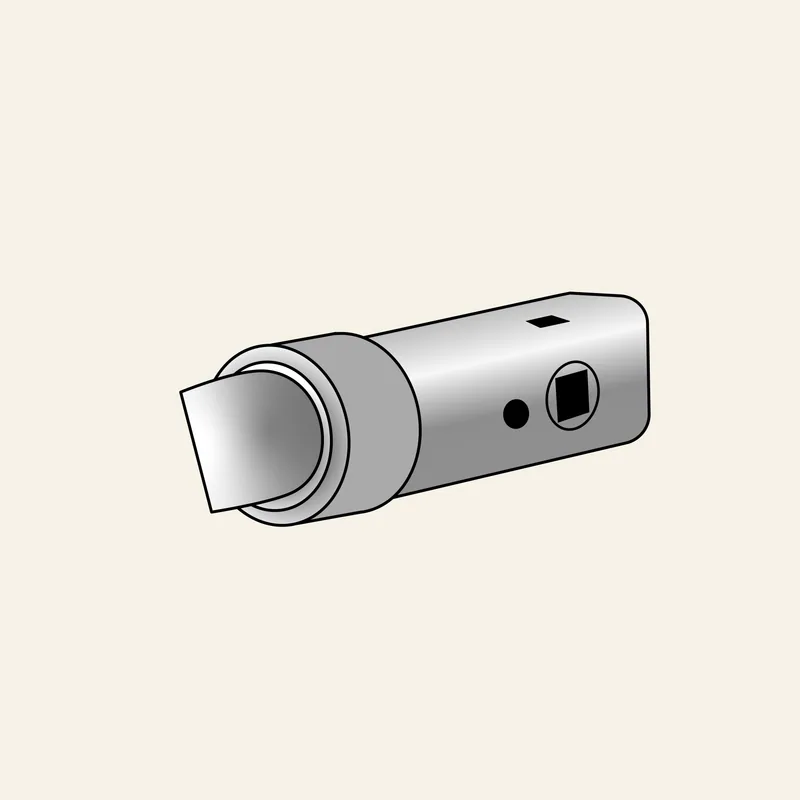
Drive-In Latch

A cylindrical latch with no faceplate, pressed directly into the door edge. Common in builder-grade hardware; quick to install but less durable for long-term use.

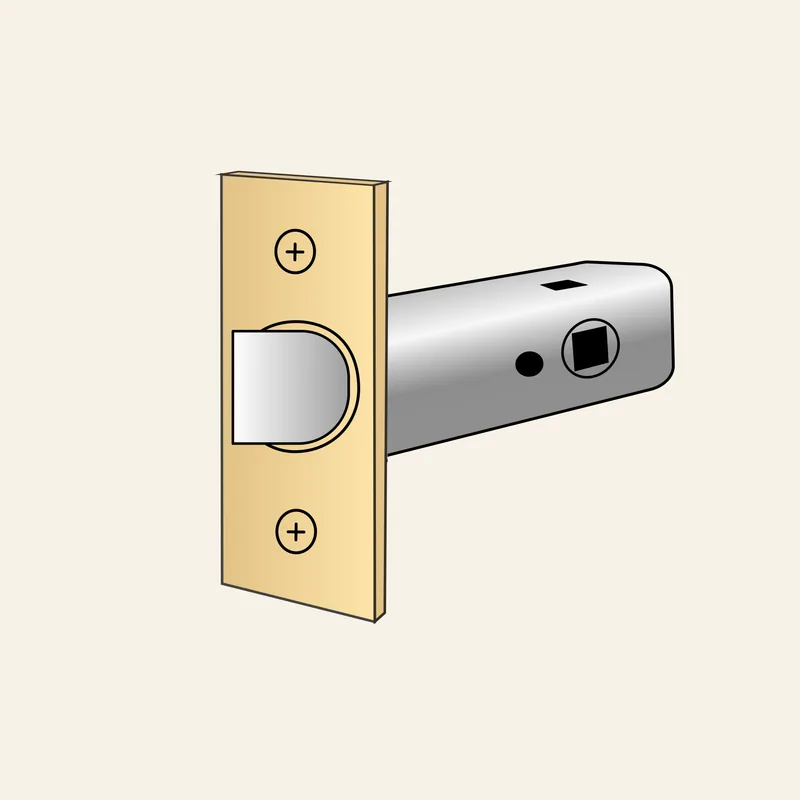
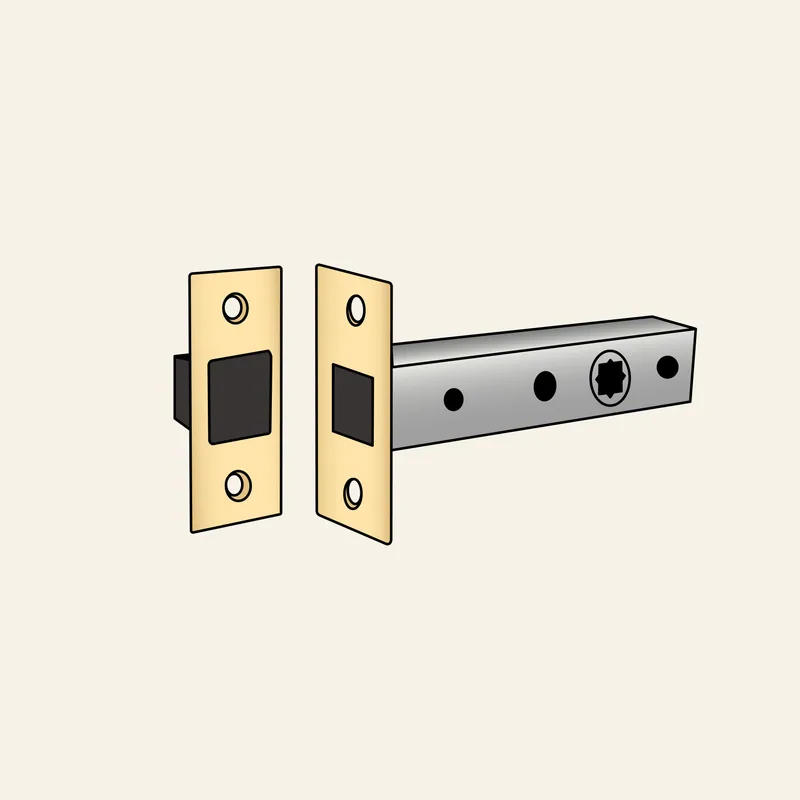
Tubular Latch

A latch with a rectangular faceplate that screws to the door edge for secure mounting. The most common type in quality North American hardware.

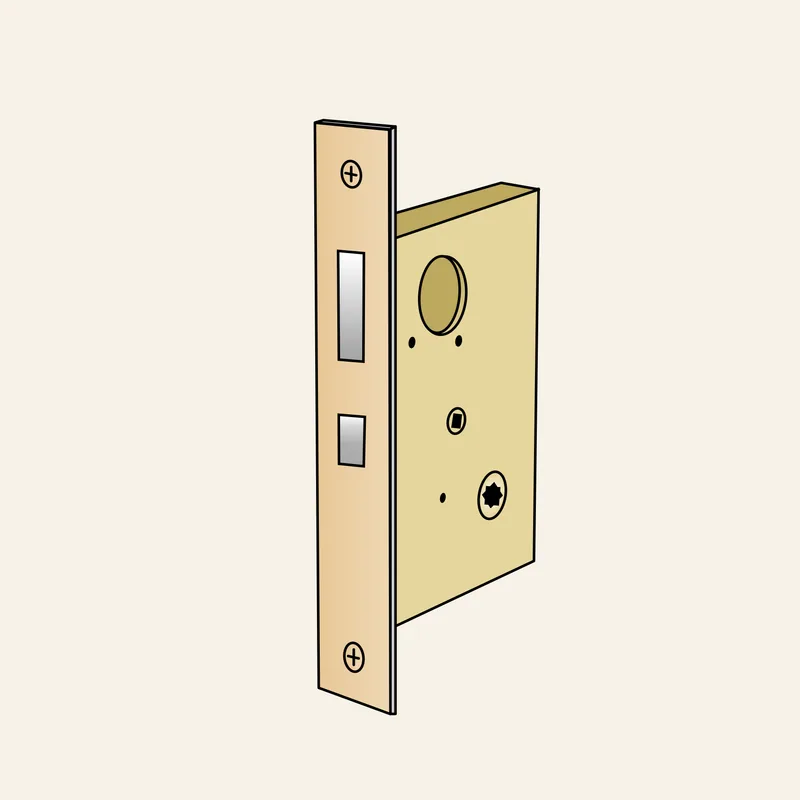
Mortise Lock Body

A rectangular lock body installed inside a pocket cut into the door. Offers strength, durability, and multiple locking functions.

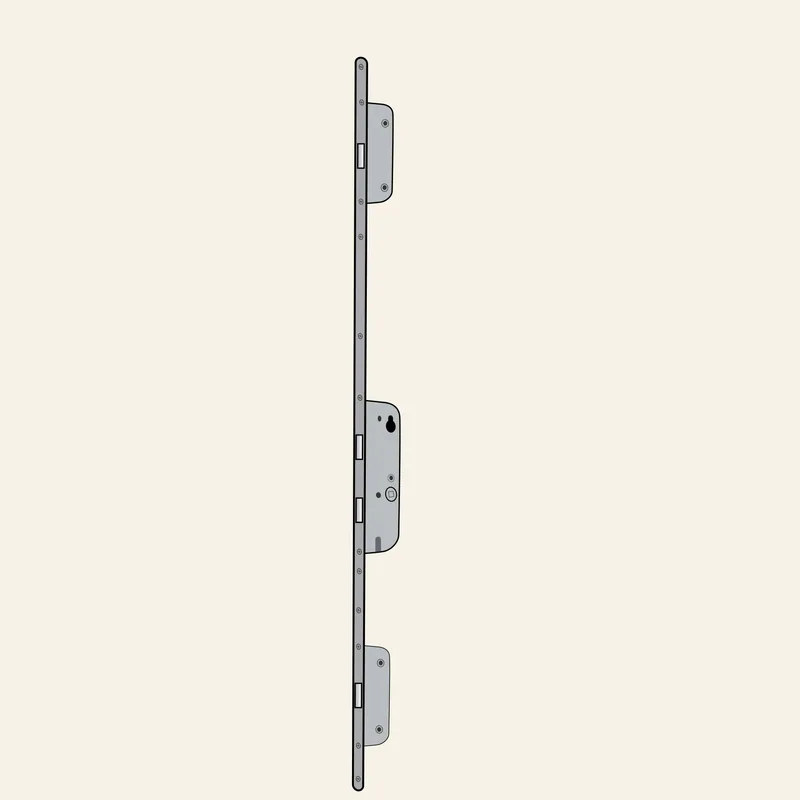
Multipoint Locking System

A slim vertical lock that secures the door at several points (top, middle, bottom). Provides extra security and stability, often used on tall or exterior doors.
LATCH COMPARISON

28° latch vs 45° latch

Most standard hardware uses a 45° latch, which requires a longer turn to retract the latch. Luxury hardware, however, is designed with a 28° latch, meaning the door opens with a shorter, smoother movement.
That subtle difference creates a feeling of refinement and precision — the door responds more quickly, the motion feels solid.
latches-door-prep_28-degree-latch

BUYING TIP

Ask your sales associate if your hardware comes with a 28° latch. Many luxury lines include it by default, giving you a smoother, more refined feel without an extra upgrade.
DOOR HARDWARE 101

Key Measurements for Ordering Door Hardware

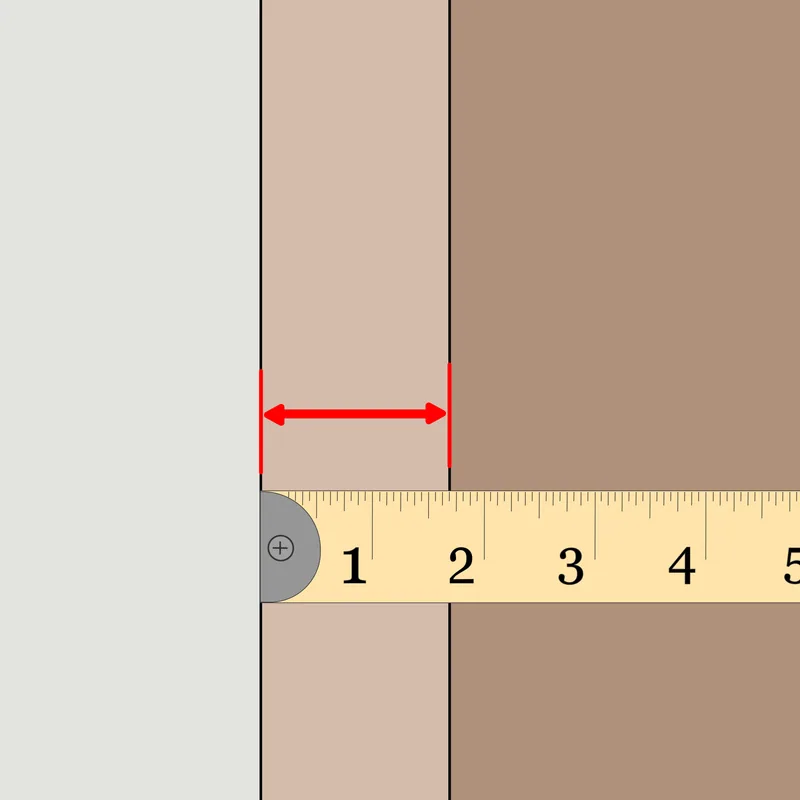
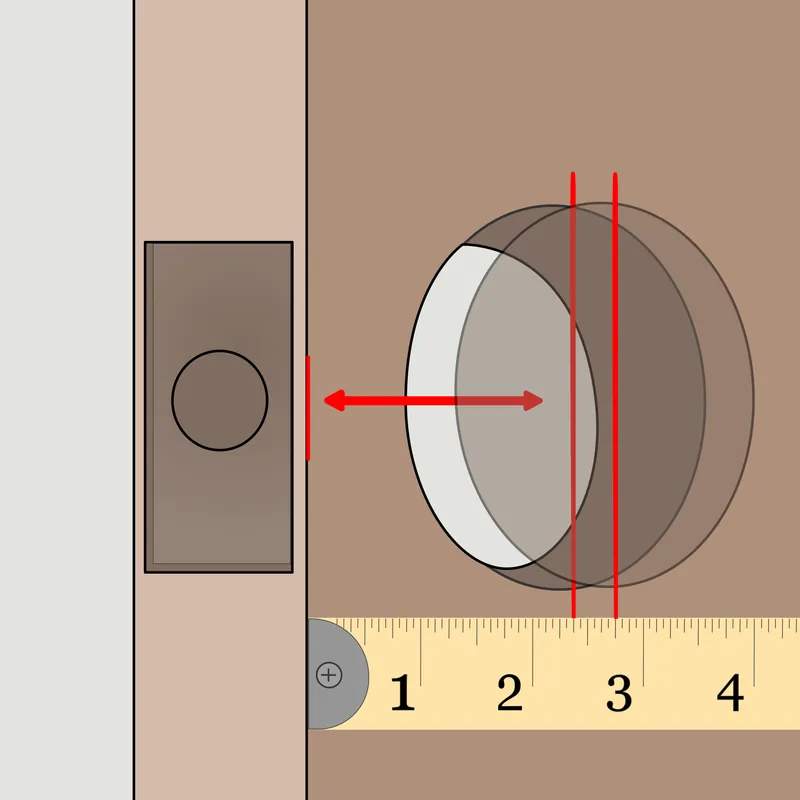
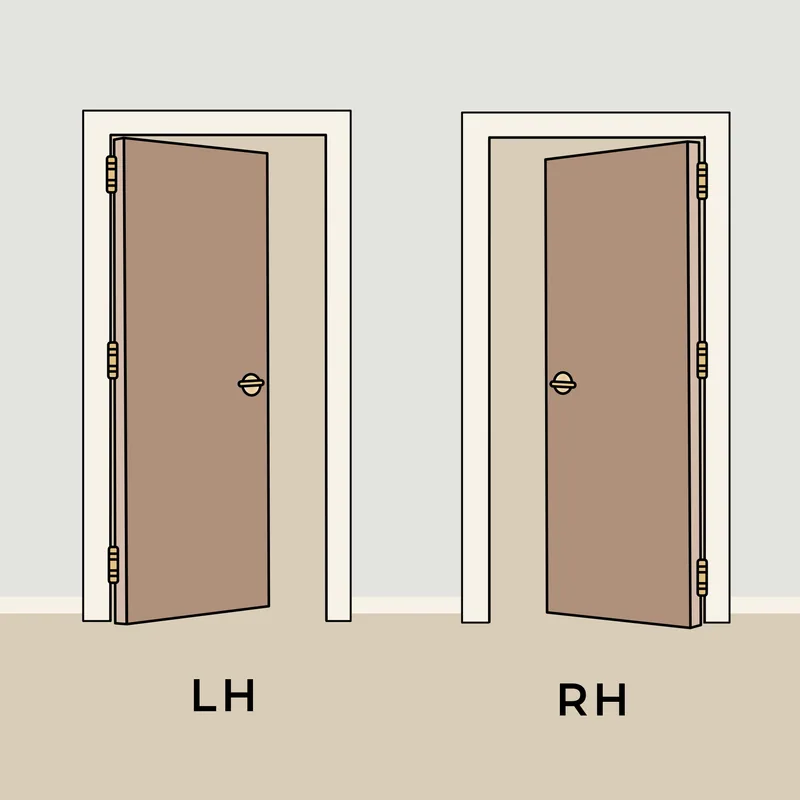
Getting these three measurements right—door thickness, backset, and handing—is essential. Even a small mistake can prevent the hardware from working properly, so take care to measure accurately.

Door Thickness

Measure the thickness of the door slab with a tape measure. Most interior doors are 1 ⅜" to 1 ¾", while exterior doors are typically 1 ¾" to 2 ¼".
Backset

Backset

Measure from the edge of the door to the center of the handle borehole. Most doors are either 2 ⅜" or 2 ¾"backset.

Handing

Stand outside the room, facing the door. If the hinges are on the left, it’s a left-hand door; if they’re on the right, it’s a right-hand door. This ensures you order the correct lever orientation.
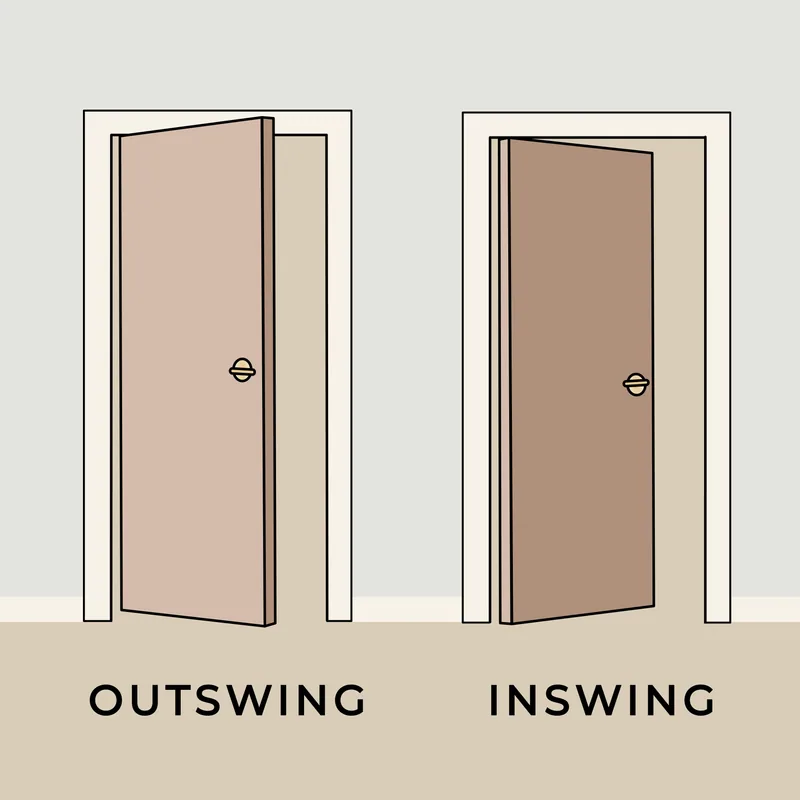
Door Swing

Door Swing

Note whether the door swings into the room (inswing) or out of the room (outswing). This matters for exterior doors and certain hardware types like multipoint locks.

Parts of a Door

Before ordering door hardware, you’ll need three key measurements: backset, door thickness, and handing.

A. Frame

B. Glass Lite

C. Shelf Moulding 

D. Panel 

E. Bore

F. Bore  

G. Door Slab 

H. Mail Slot 

I. Threshold

FAQ

Types of Doors

From standard swing doors to specialty styles like barn, pocket, or pivot, each door type requires specific hardware. Use the illustrations below to identify common door styles.

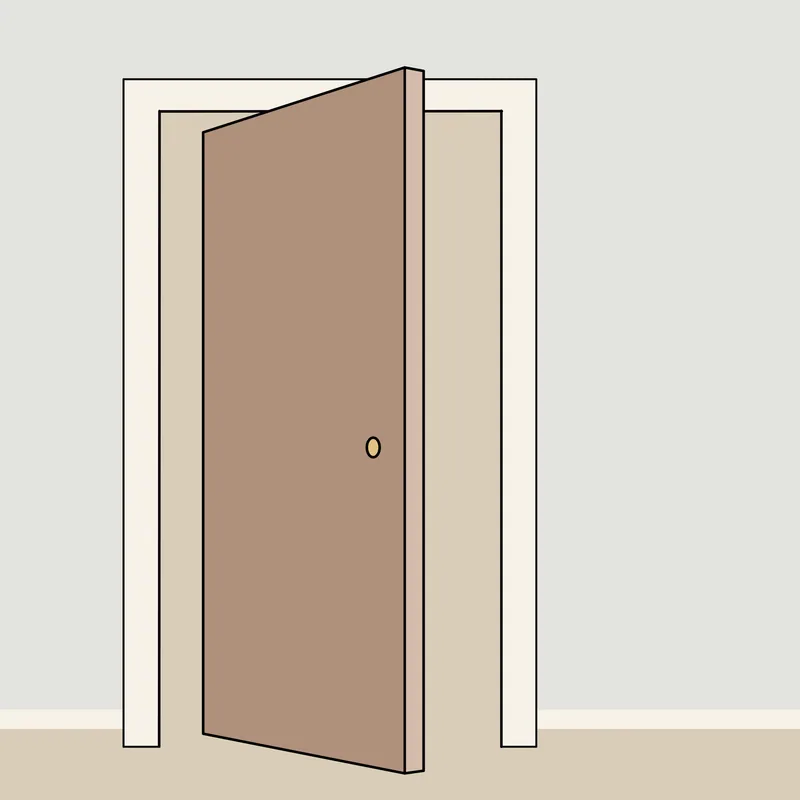
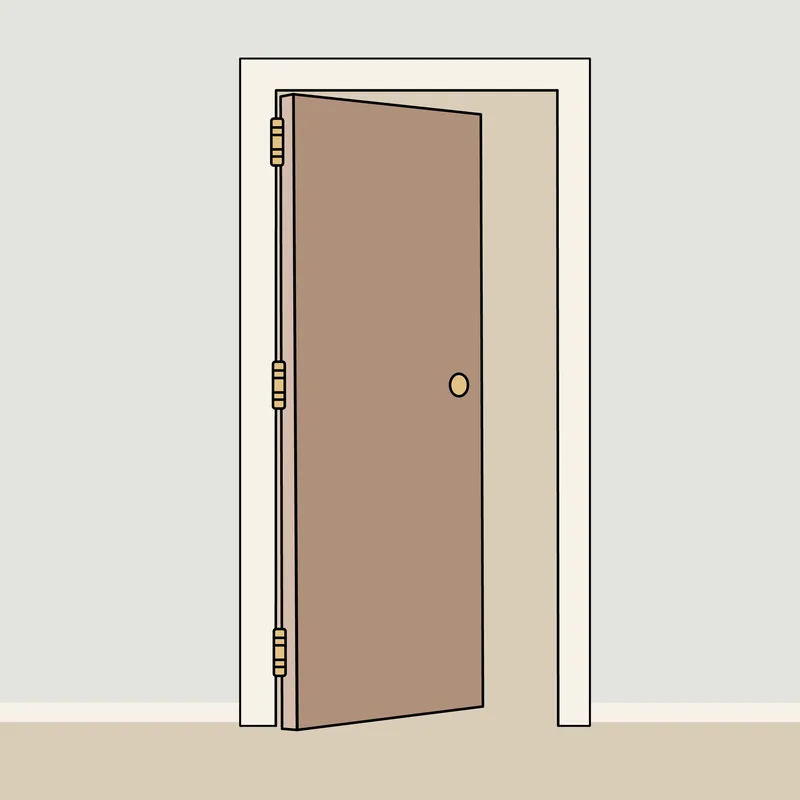
Standard Hinged Door
This is the most common door type, hinged on one side and swings open inward or outward. Found in most residential and commercial spaces.

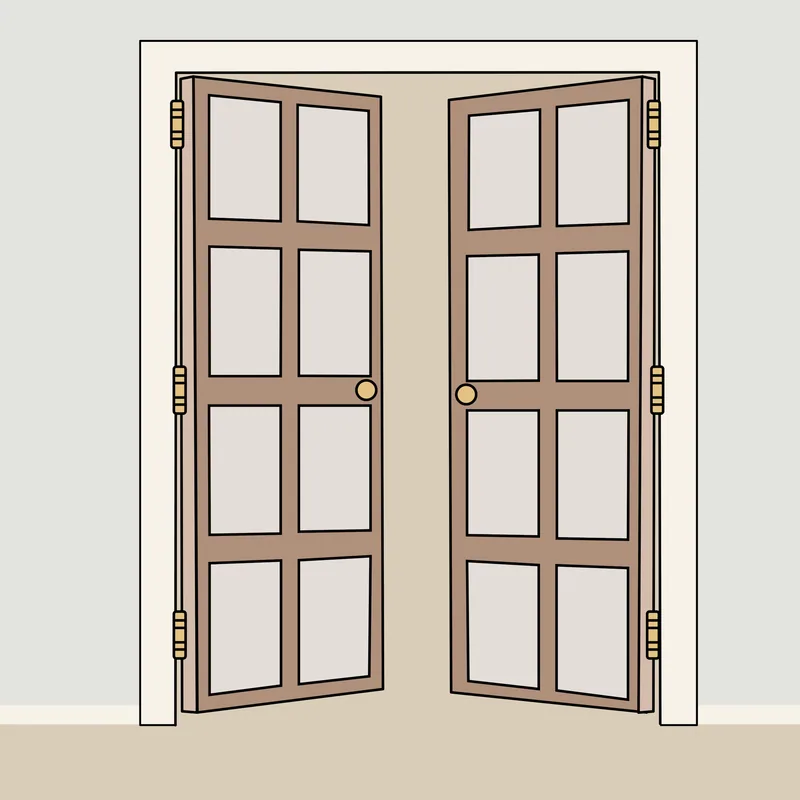
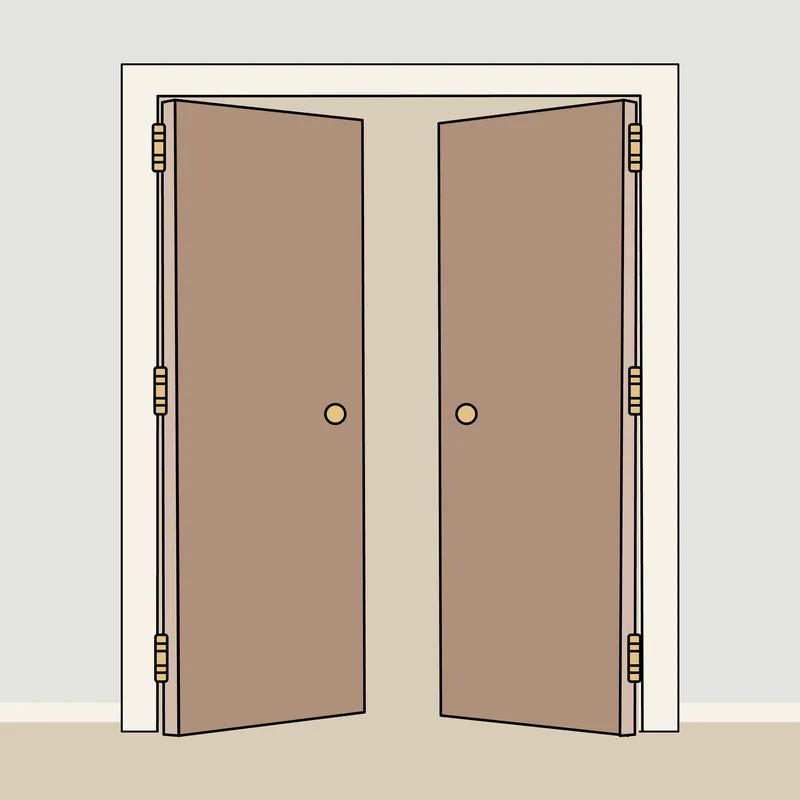
Double Doors

Two hinged doors that meet in the center. Commonly used for wider openings in entryways, dining rooms, or closets.

French Doors

A pair of doors with glass panes extending most of their length. Often used for patios or interior spaces to allow light to pass through.

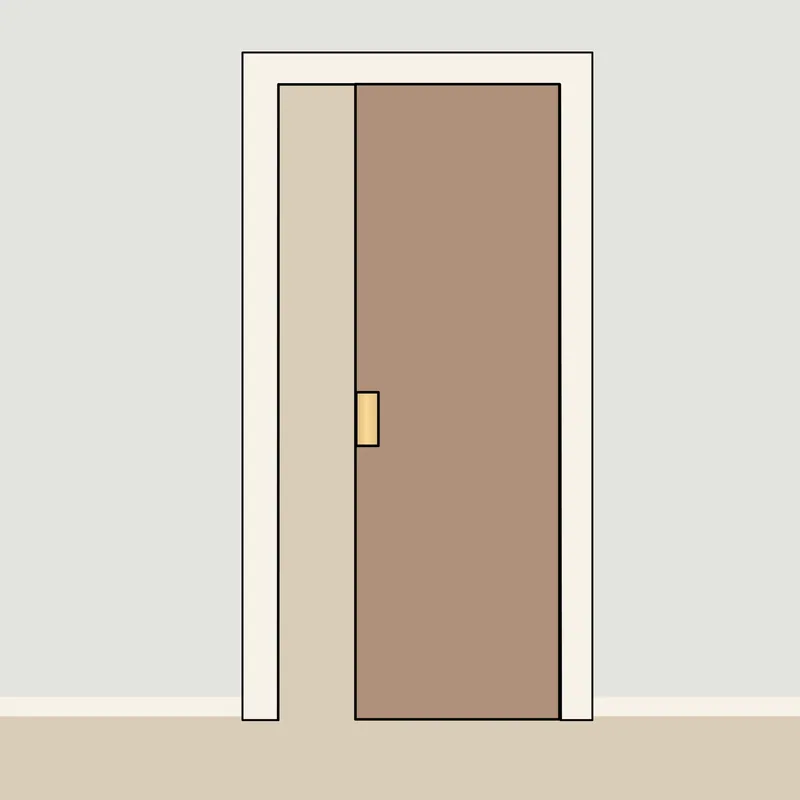
Pocket Door

Slides into a recessed wall cavity to save space. Great for small rooms or areas where a swinging door would be in the way.

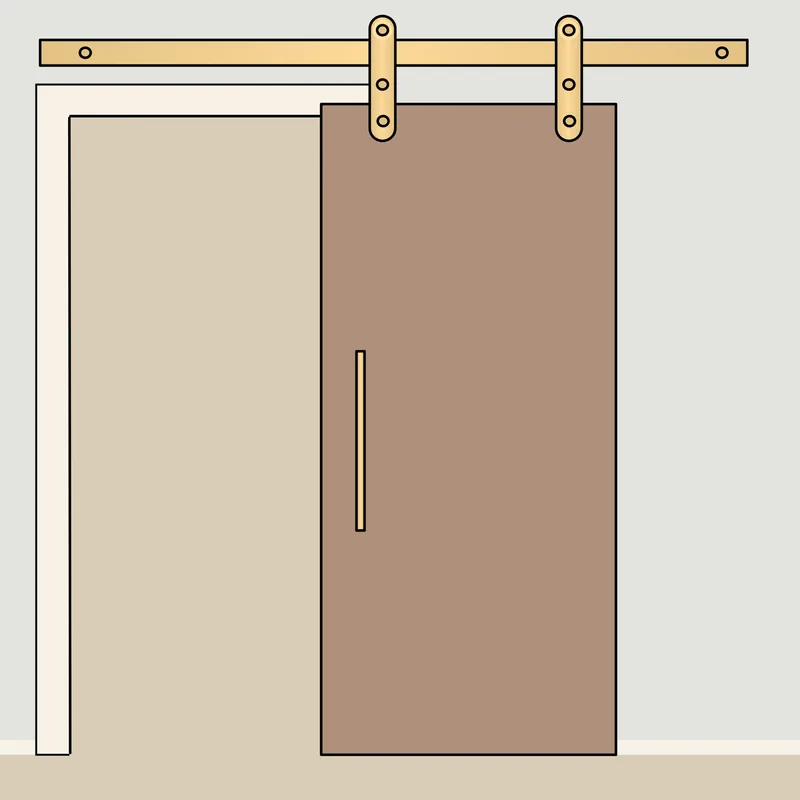
Barn Door

Mounted on a sliding track above the door frame, this door slides along the wall. Popular in both rustic and modern interiors.

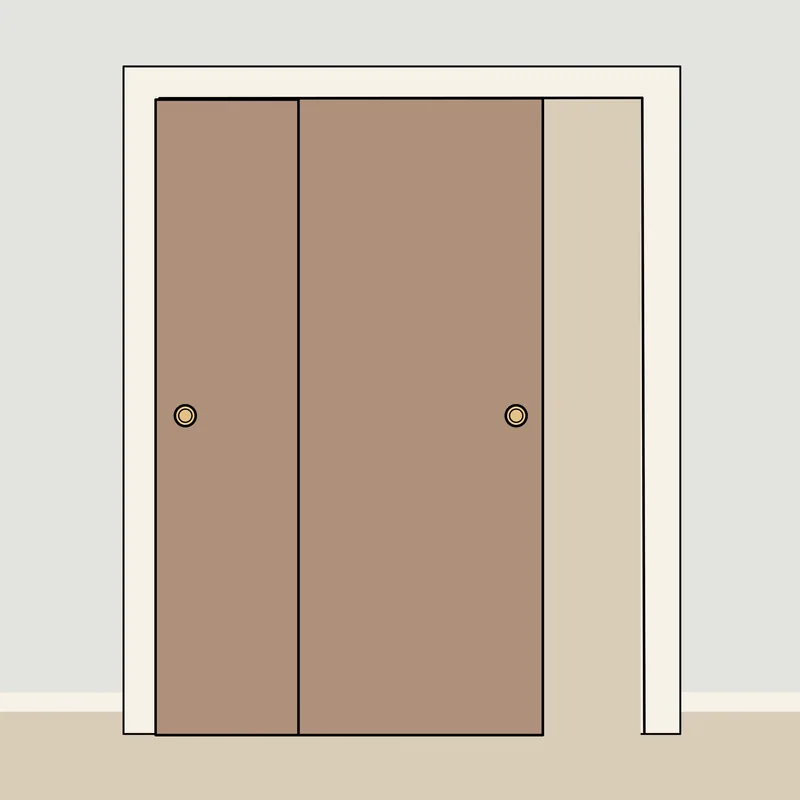
Bi-Pass Doors

Two or more panels that slide past each other within a single frame. Common for closets and pantries.

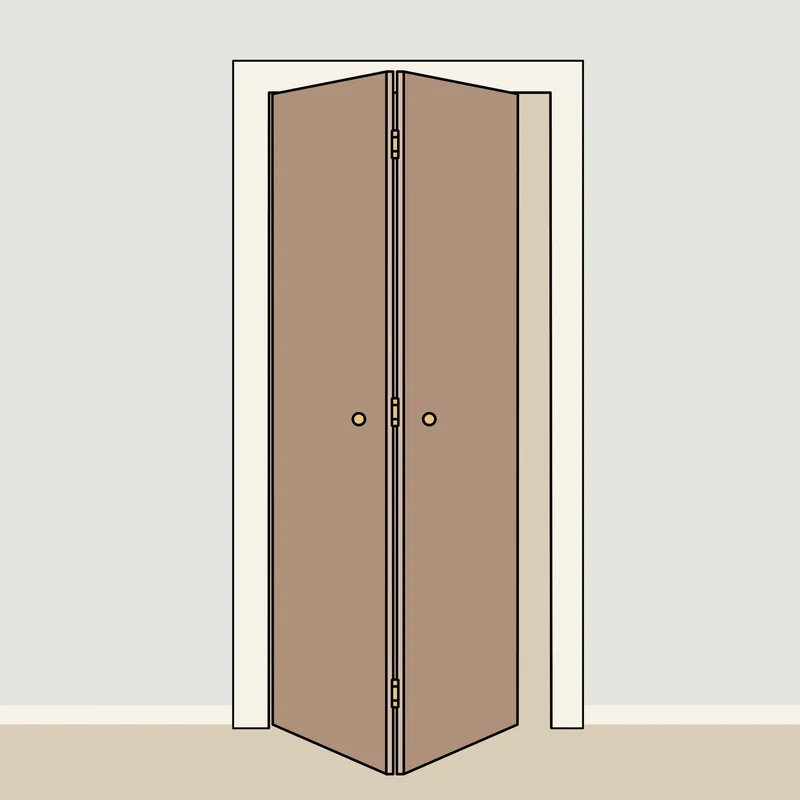
Bi-Fold Doors

Doors split into panels that fold together as they open. Used frequently for closets and laundry areas.

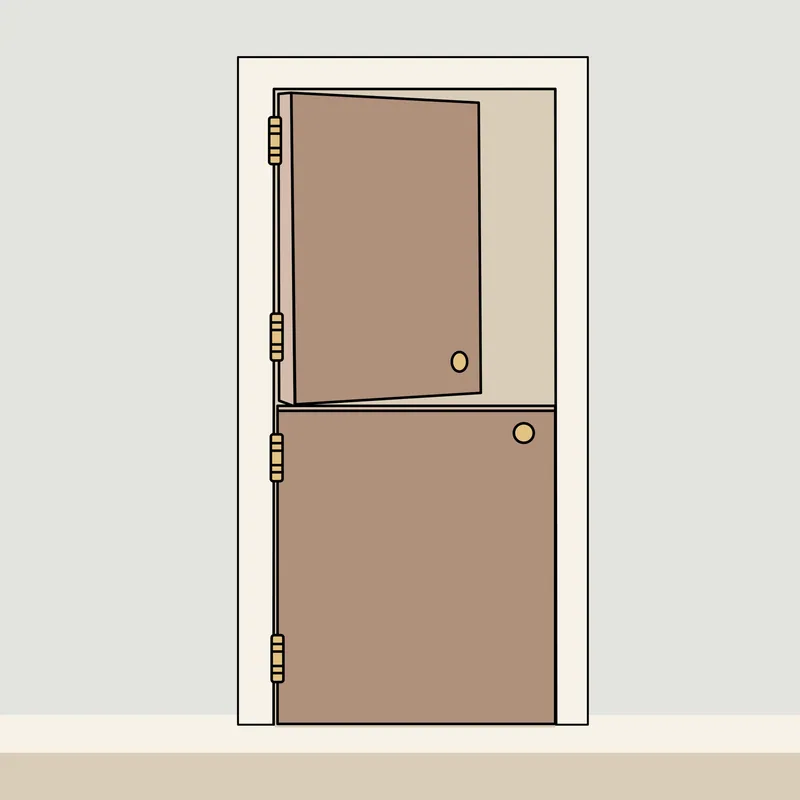
Dutch Door

Split horizontally into two halves that open independently. Ideal for homes with pets or young children.

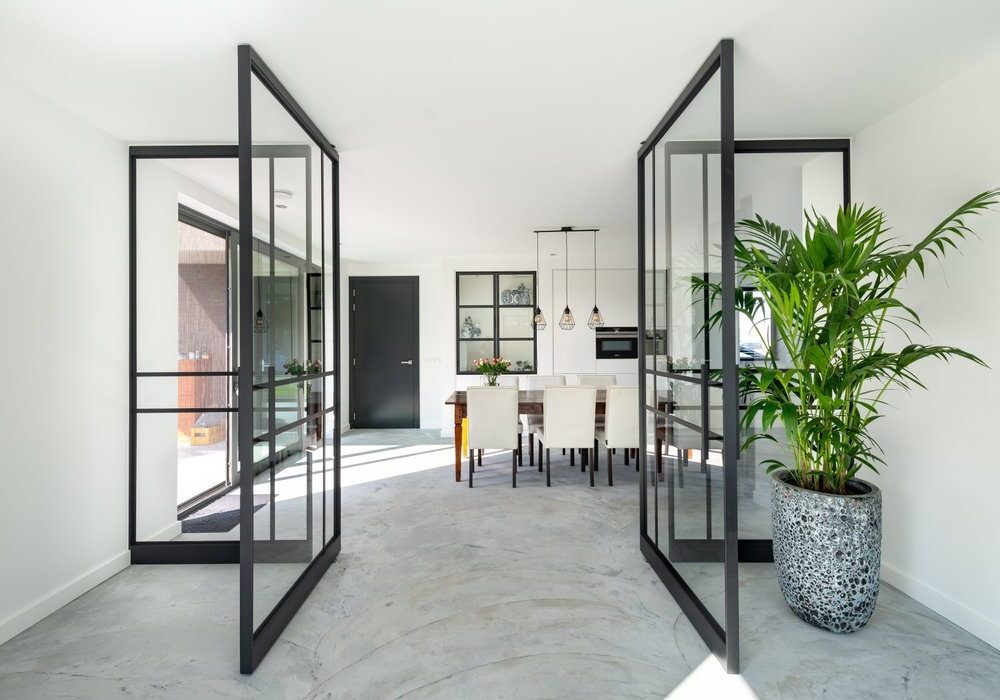
Pivot Door

Rotates on a vertical pivot point rather than side hinges. Often used for modern, large-scale entrances.
HOW TO ORDER

Dutch Doors

Dutch doors are unique because the top and bottom halves can open separately or lock together. To make them work properly, you’ll need hardware that supports both functions.

PRO TIP

A door Bolt isn’t optional—it’s what holds the top and bottom halves together. Without it, the two parts of the door won’t connect, and the door can’t function as one.

Door Hardware Glossary

Deadbolts provide the primary layer of security for entry doors. From basic single-cylinder models to advanced electronic systems, each type offers different levels of safety, convenience, and application.

Single Cylinder Deadbolt

Operated by a key on the outside and a thumbturn on the inside. The most common residential deadbolt, used on entry doors where quick exit is needed.

Double Cylinder Deadbolt

Requires a key on both the inside and outside. Provides extra security near windows or glass panels but may restrict emergency exit.

Patio Deadbolt

Locks and unlocks from the inside only, with no keyed access on the exterior. Typically used for patio or balcony doors. NOTE: Cannot be installed on predrilled door.

Electronic Deadbolt

Operated with a keypad, touchscreen, or smart system instead of a key. Offers convenience and keyless entry, often with remote or programmable features.

Types of Locks & Latches

From standard swing doors to specialty styles like barn, pocket, or pivot, each door type requires specific hardware. Use the illustrations below to identify common door styles.

Tubular Cylinder Lock

A rounded key-operated lock used with exterior hardware, commonly seen in tubular deadbolts. The cylinder is threaded through the face of the door and connects to the locking mechanism inside. Can be replaced or rekeyed.

Mortise Cylinder

A threaded, key-operated cylinder that screws into a mortise lock body. Common in both residential and commercial doors, mortise cylinders can be easily replaced or rekeyed and come in different lengths to match door thickness.

Profile Cylinder

A key-operated cylinder, shaped with a distinctive “euro profile,” that fits into a lock case or multipoint system. Available keyed both sides, keyed one side with a thumbturn inside, or half-length for single-sided use.

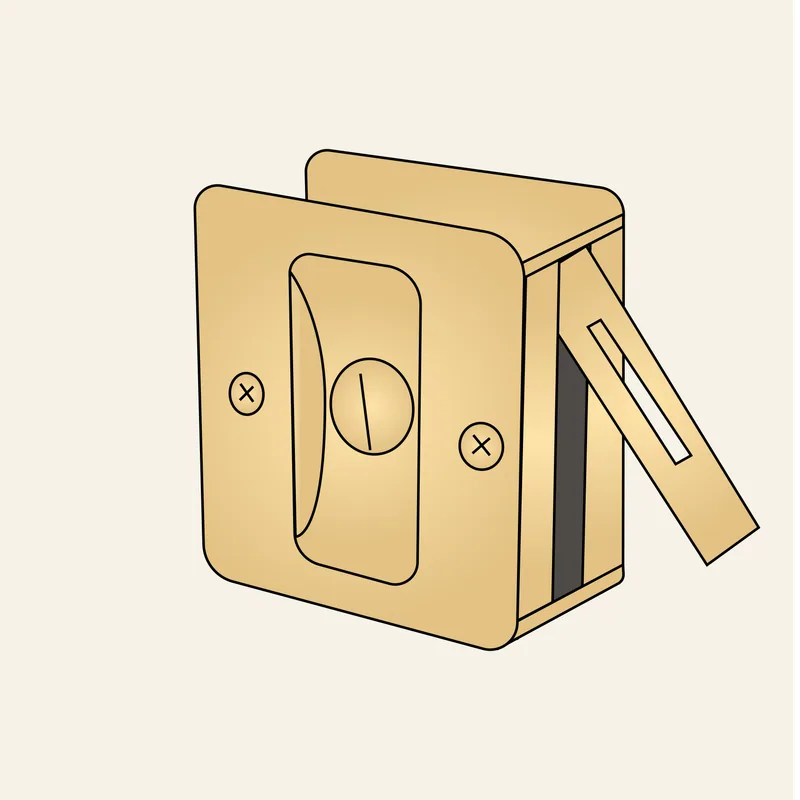
Pocket Door Lock

A locking mechanism made for sliding doors that disappear into the wall. Provides privacy or security by latching the door closed

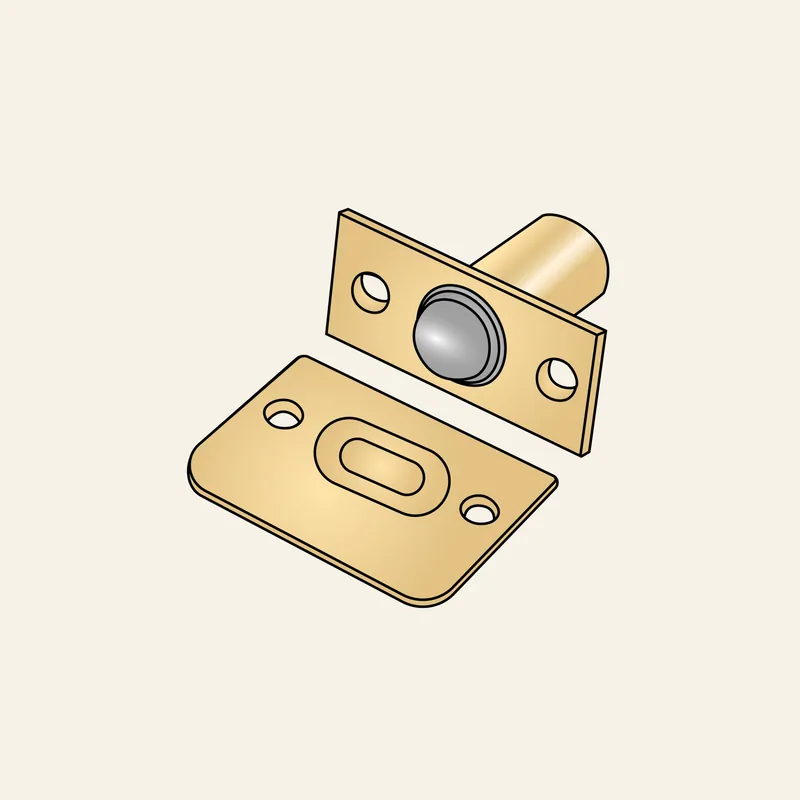
Ball Catch

A spring-loaded ball that fits into a strike plate to hold a door closed. The door can be pushed or pulled open without turning a knob or lever. Commonly used on closet or cabinet doors where a latch isn’t needed.

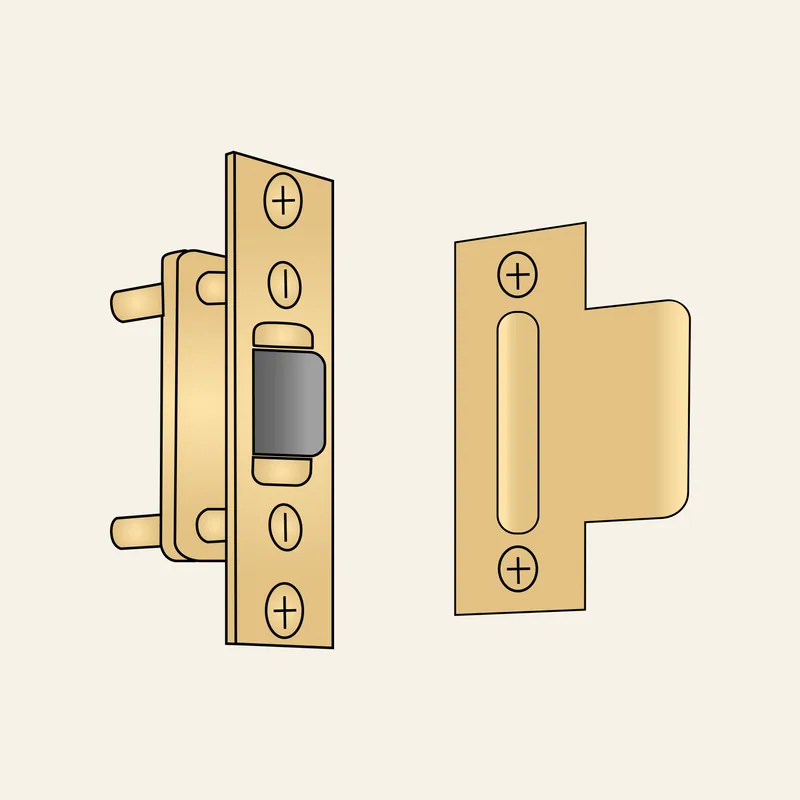
Roller Latch

A spring-loaded roller that presses against a strike plate to keep the door in place. Provides a smoother, adjustable hold and is often used on interior double doors or doors without active hardware.

Flush Bolt

A bolt installed into the edge of a door, sliding up or down into the frame to secure the door in place. Commonly used on the inactive leaf of double doors, flush bolts keep one door fixed while allowing the other to operate normally.

Surface Bolt

A manually operated bolt mounted on the surface of a door. Slides into the frame or floor to hold the door closed or secure one leaf of a double door. Easy to install and often used for extra security on interior or exterior doors.

Cremone Bolt

A decorative locking system with a surface-mounted handle that operates vertical rods, securing the door or window at the top and bottom. Commonly used on French doors or casement windows.

Hook & Eye

A simple latch consisting of a hook that fits into an eye screw. Provides light-duty security or holding power, often used for gates, shutters, or interior doors.

Magnetic Latch

A latch that uses a magnet to hold a door closed without a mechanical catch. Provides a clean look and smooth operation, commonly used on cabinet doors or lightweight interior doors.

Rim Lock

A surface-mounted lock that sits on the face of the door rather than inside it. One of the oldest lock types, often used for traditional or period-style applications.

Barn Door Lock

A simple latch used to secure sliding barn doors. Usually surface-mounted and operated by hand, it provides basic privacy or security without complex hardware.

Quadrant Lock

A small surface-mounted lock with a pivoting arm that drops into a strike plate. Used for dutch doors.

Chain Door Guard

A surface-mounted chain that allows the door to be opened slightly while still secured. Commonly used on apartment or entry doors for added safety.

Night Latch

A surface-mounted lock operated by a key from the outside and a knob or thumbturn from the inside. The latch automatically locks when the door is closed, making it popular for apartments.
FAQ

Types of Locks & Latches

From standard swing doors to specialty styles like barn, pocket, or pivot, each door type requires specific hardware. Use the illustrations below to identify common door styles.

Face plate

A simple rectangular strike plate used with tubular latches. Provides a clean mounting surface for the latch to engage in the door frame.

Full Lip Strike

A strike plate with a rounded lip that helps guide the latch into place. Commonly used in residential doors for smoother operation and reduced wear.

T-Strike

A strike plate with a squared shoulder design, offering more strength than a standard strike. Often used in commercial or heavy-duty residential doors.

ASA Latch Strike

A heavy-duty strike plate with an extended lip, designed for metal frames and commercial latchsets. Provides extra durability and security compared to residential strikes.
FAQ

Types of Hinges

A guide to the most common hinge styles, from traditional butt hinges to modern concealed and pivot designs.

Plain Bearing Hinge

Basic residential hinge used on lightweight interior doors. No added bearings for friction reduction.

Ball Bearing Hinge

Ideal for heavy or frequently used doors. Built-in ball bearings reduce friction and noise.

Olive Knuckle Hinge

Decorative hinge with a central pivot point. Often used in high-end or period-specific applications.

Spring Hinge

Automatically closes the door after it’s opened. Common for self-closing interior or garage doors.

Offset Hinge

Shifts the door away from the frame for wider clearance. Great for accessibility or tight spaces.

Lift-Off Hinge

Allows the door to be removed without unscrewing the hinges—useful for service doors or panels.

Knife Hinge

Minimal and sleek; often used in cabinetry. The hinge pivots like a knife blade in a slot.

Concealed Hinge

Invisible when the door is closed. Popular for modern and frameless cabinet applications.

Barrel Hinge

Small cylindrical hinge recessed into the door and frame. Great for hidden or decorative projects.

Inset Hinge

Compact hinge specifically for cabinet doors. Available in multiple overlays and styles.

Continuous (Piano) Hinge

Long hinge that runs the full height or length of the door. Provides even support and alignment.