






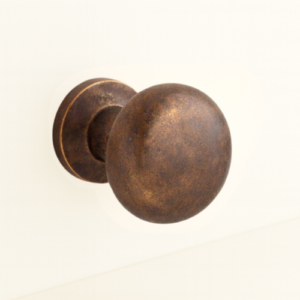
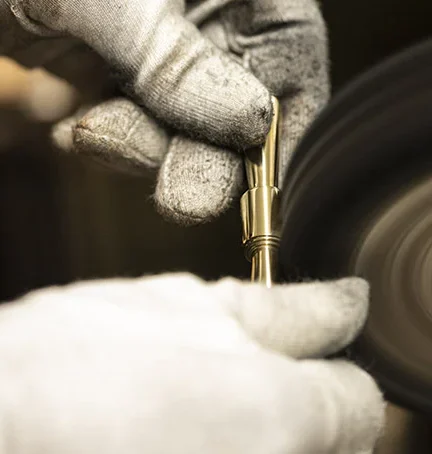
Finishes
Finishes by Brand
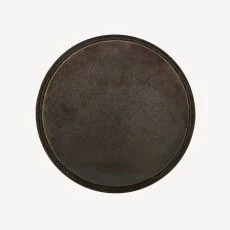
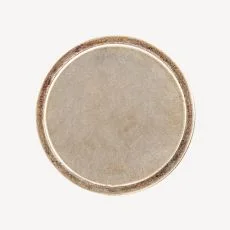
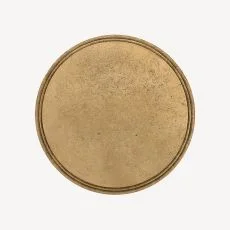
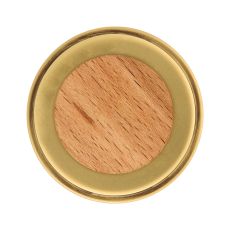
Every finish from the brands we trust, shown side by side. Choose a brand below to see its full range — or download the complete guide covering all of them.
Download the Armac Martin Finish GuideDownload the Ashley Norton Finish GuideDownload the Baldwin Finish GuideDownload the Croft Finish GuideDownload the FSB Finish GuideDownload the Formani Finish GuideDownload the Joseph Giles Finish GuideDownload the JWL Finish GuideDownload the Karcher Design Finish GuideDownload the Kartners Finish GuideDownload the Lo & Co Finish GuideDownload the MYOH Finish GuideDownload the Nest Studio Finish GuideDownload the Olivari Finish GuideDownload the Oliver Knights Finish GuideDownload the Turnstyle Designs Finish Guide
Plated Finishes
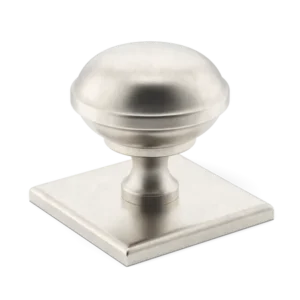
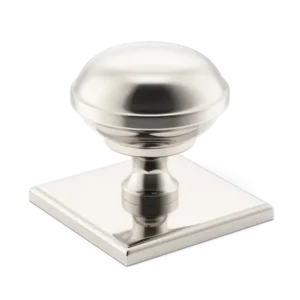
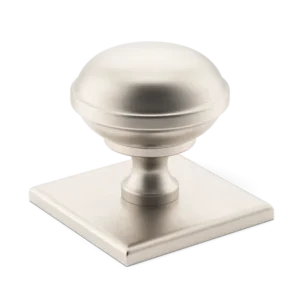
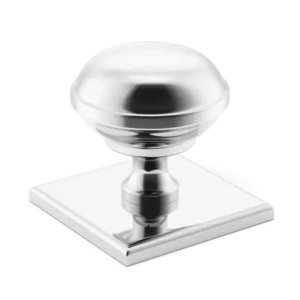
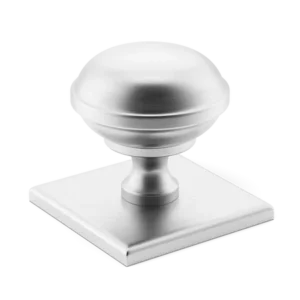
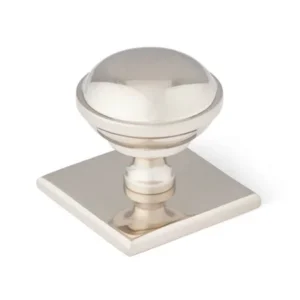
Lacquered Finishes



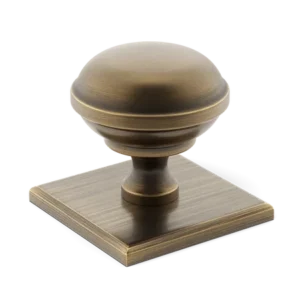

Living Finishes


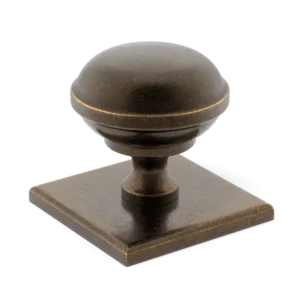


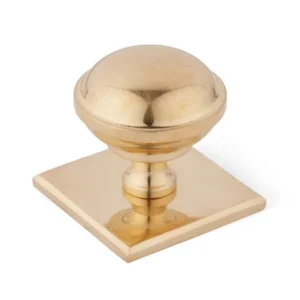
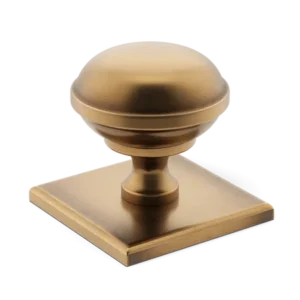

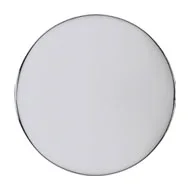
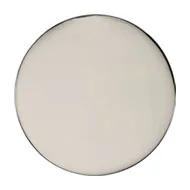
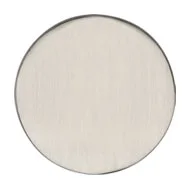
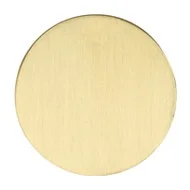
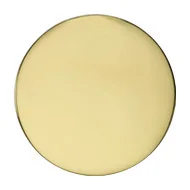
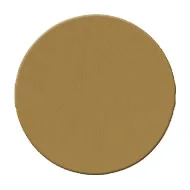
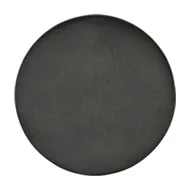
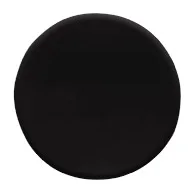
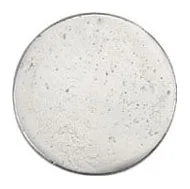
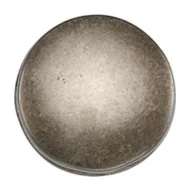
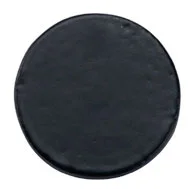
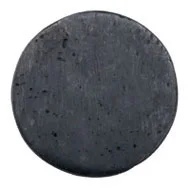
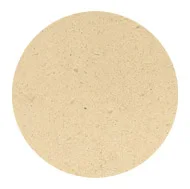
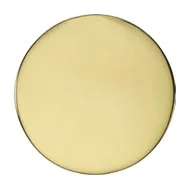
Estate Finishes

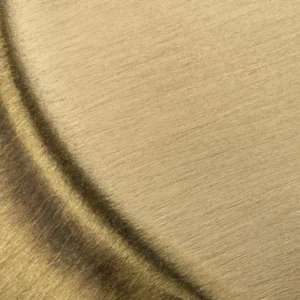

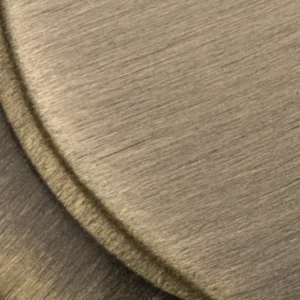


Split Estate Finishes

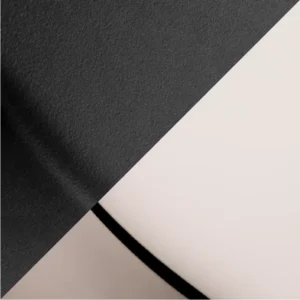
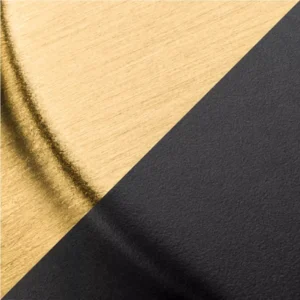
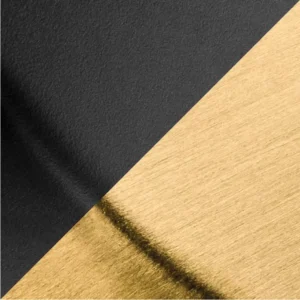

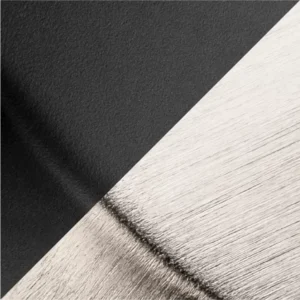
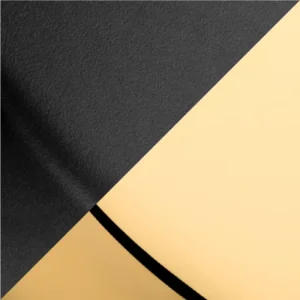



Reserve Finishes
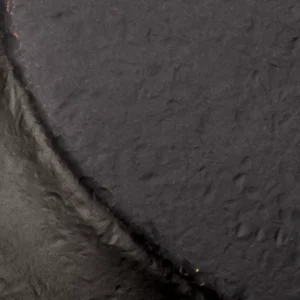
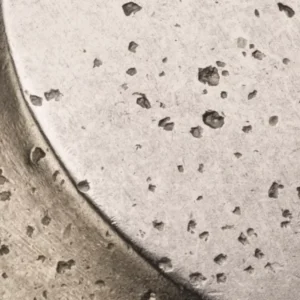
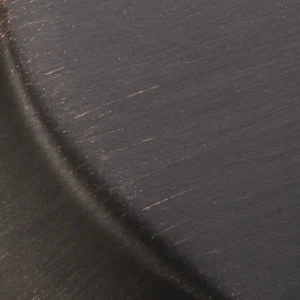













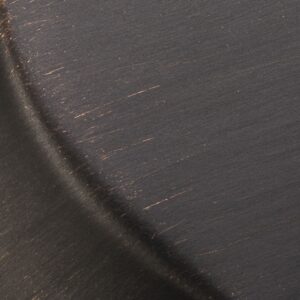

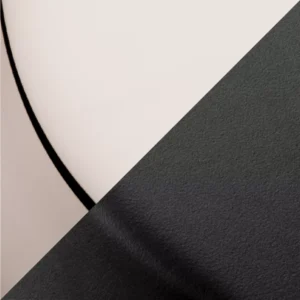
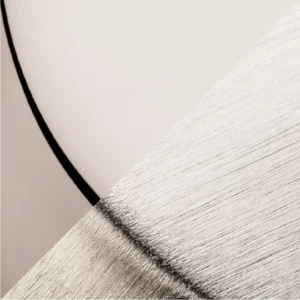
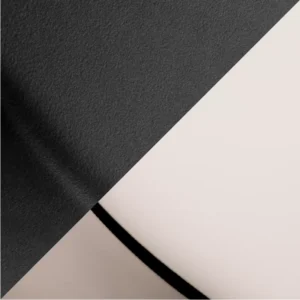
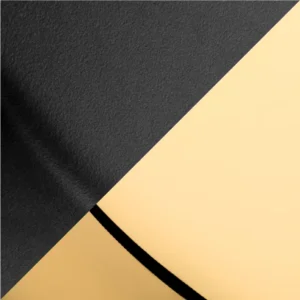
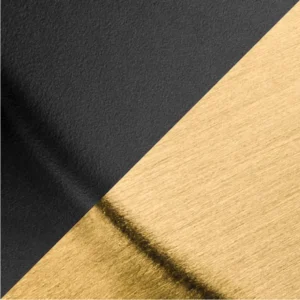
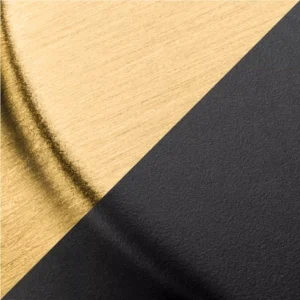





































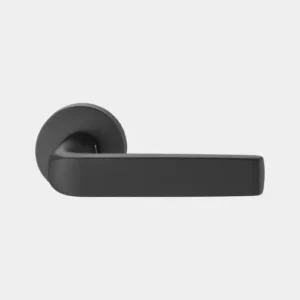
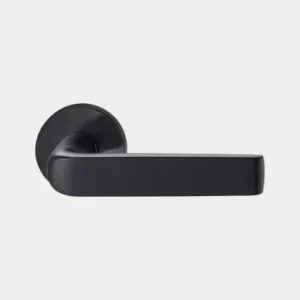


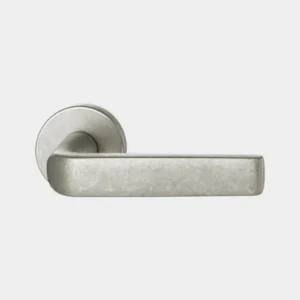
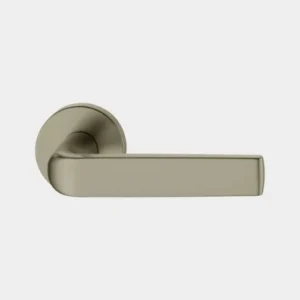
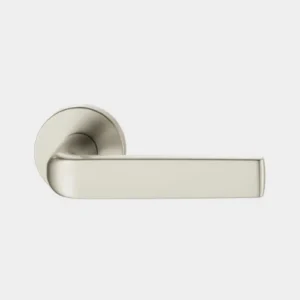

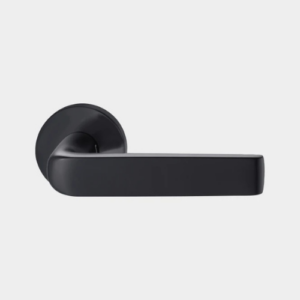
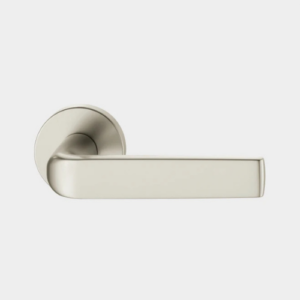
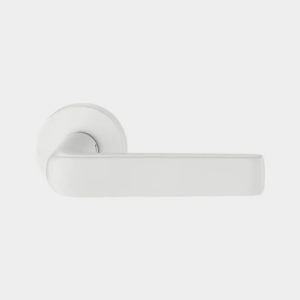
Standard Finishes
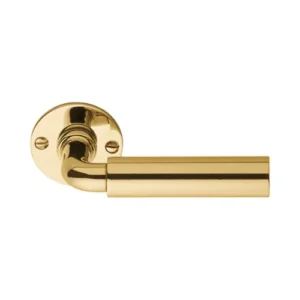
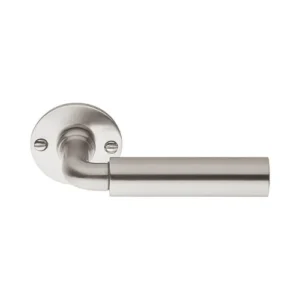
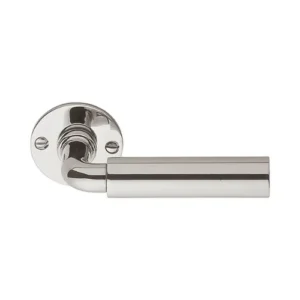
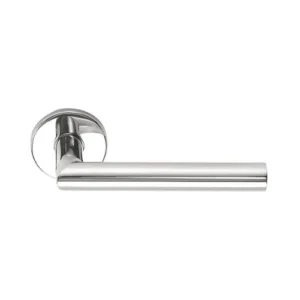
PVD Finishes
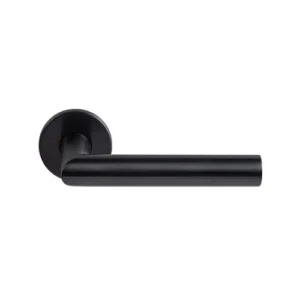
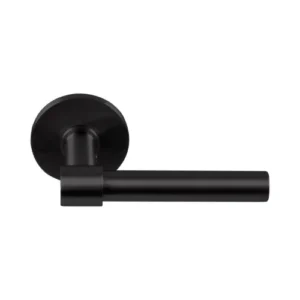
Powdercoat Finishes
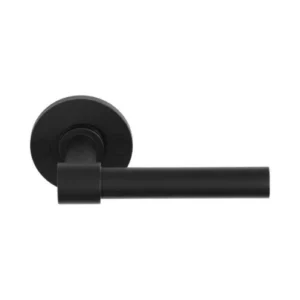

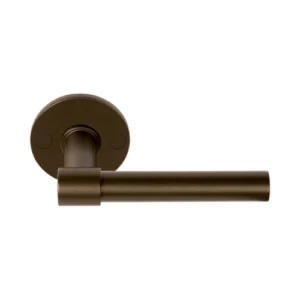
Living Metal Finishes

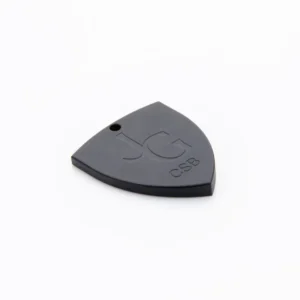
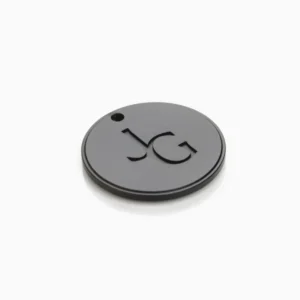

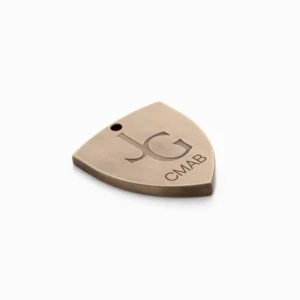
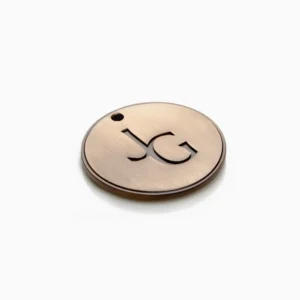
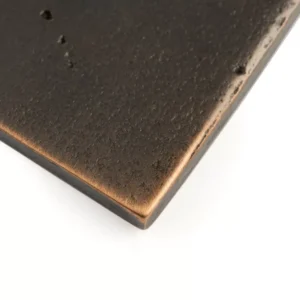

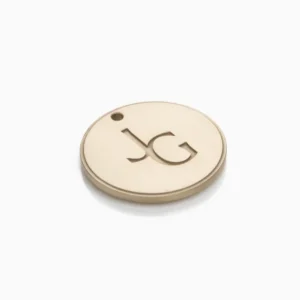
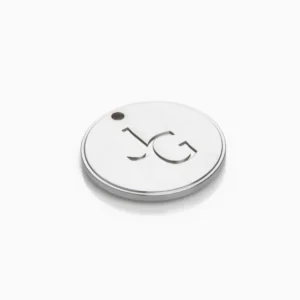
Organo Finishes
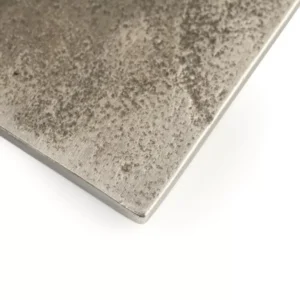
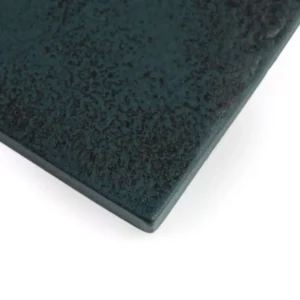
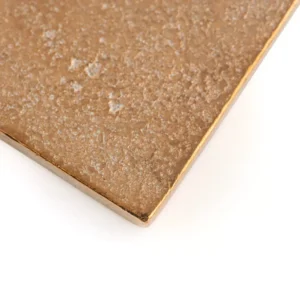
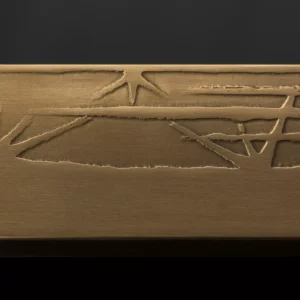
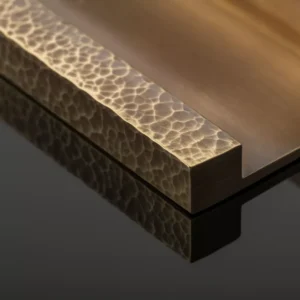
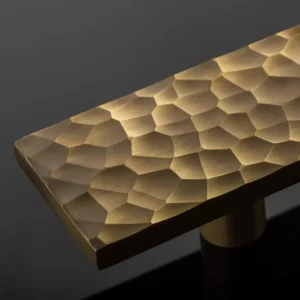
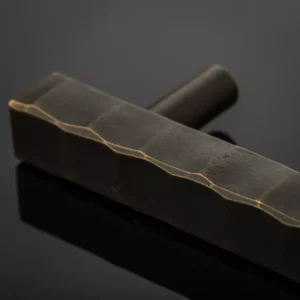
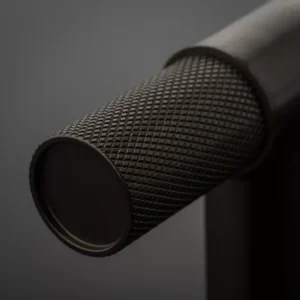
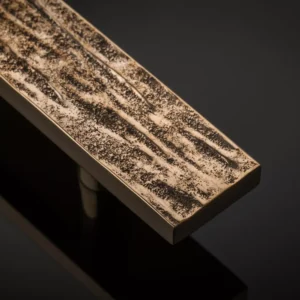
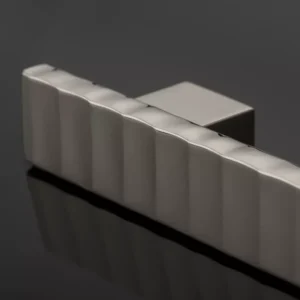
Metal Textures
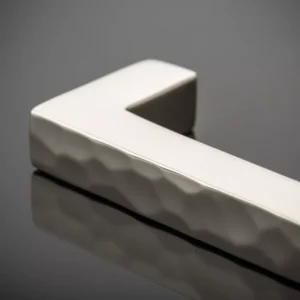
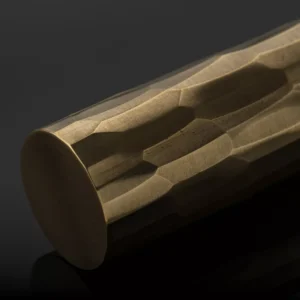
Natural Materials & Finishes
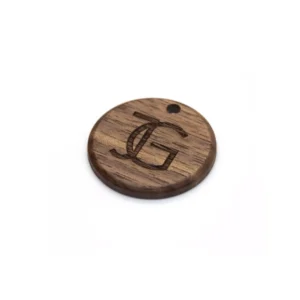
Stainless Steel Finishes
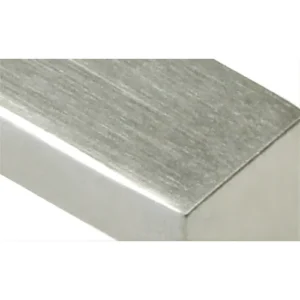
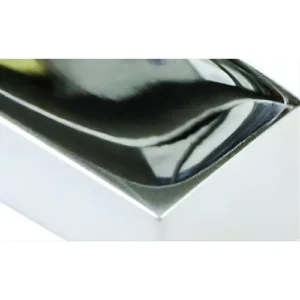
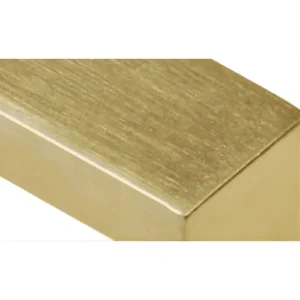
Wood Finishes

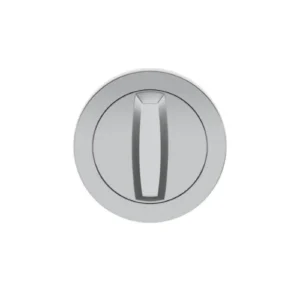


Standard Finishes
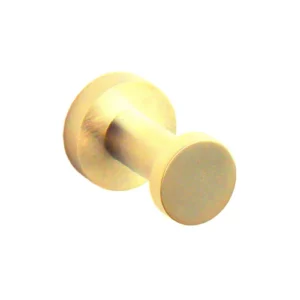
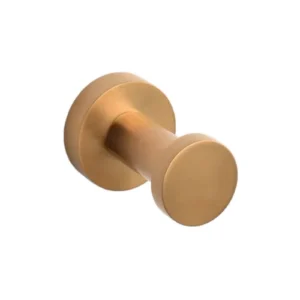
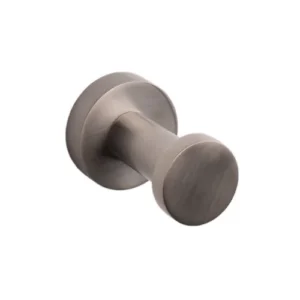
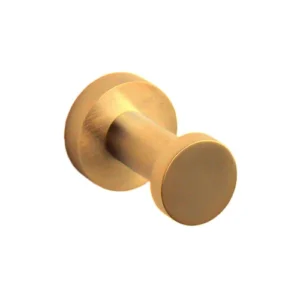
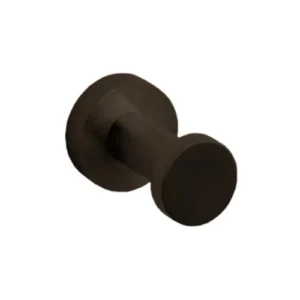
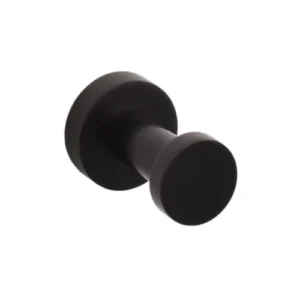
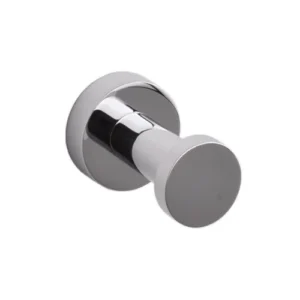
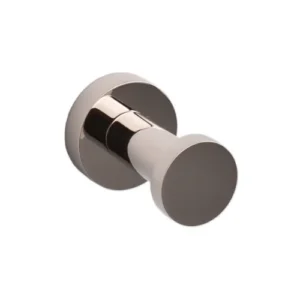
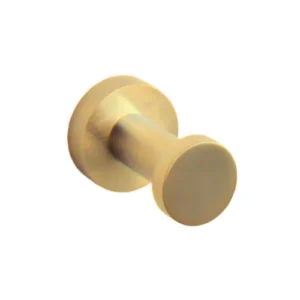
Special Finishes
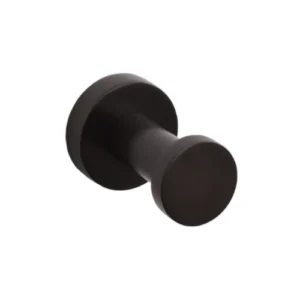

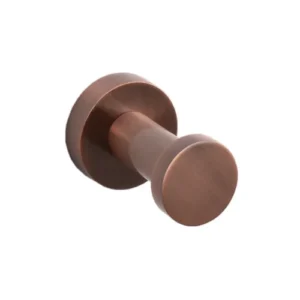

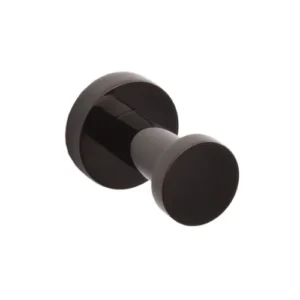
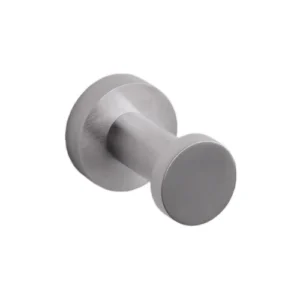
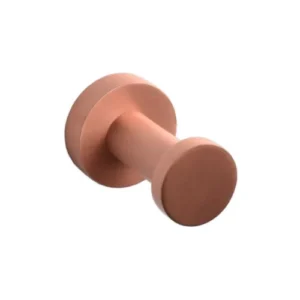
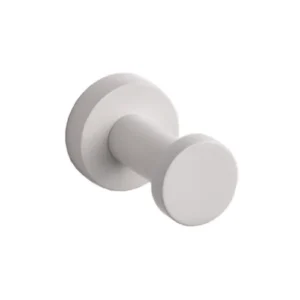


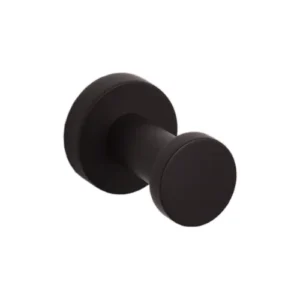
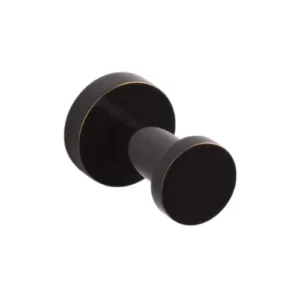
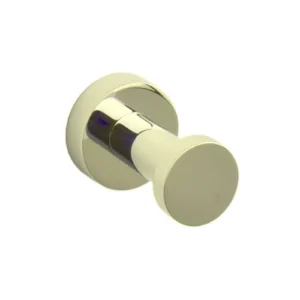
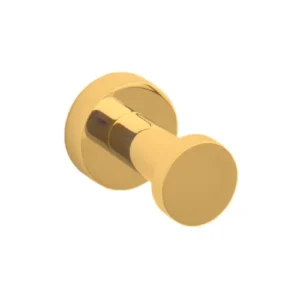
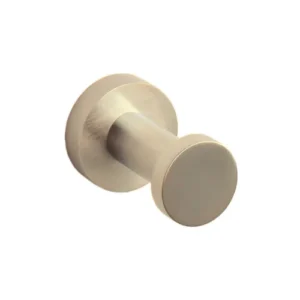
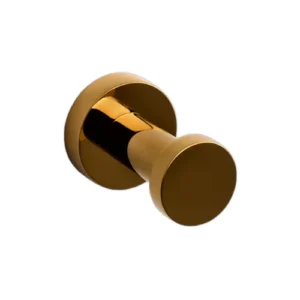
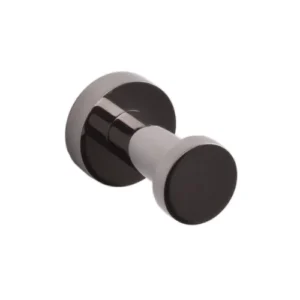
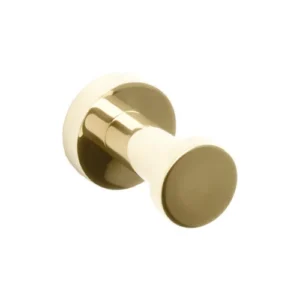




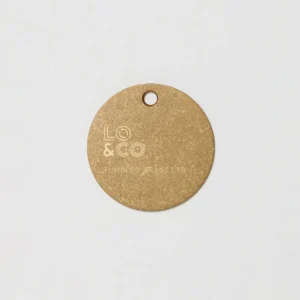
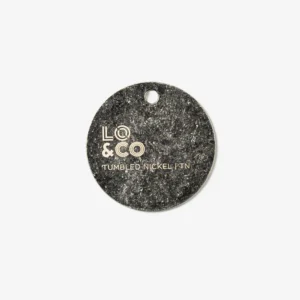

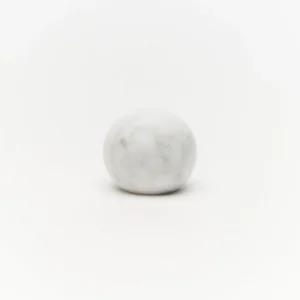
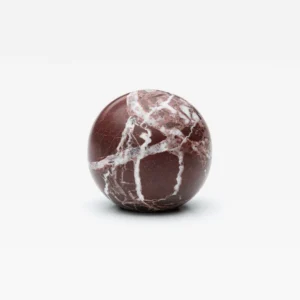
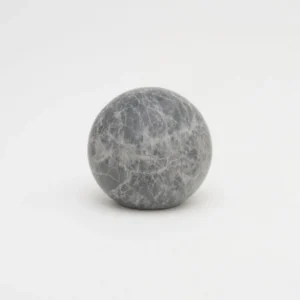
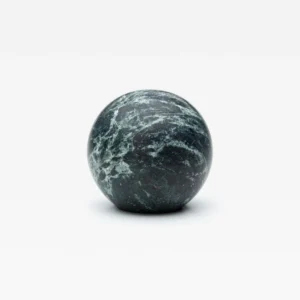
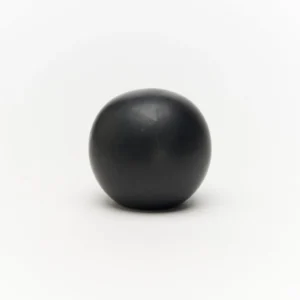
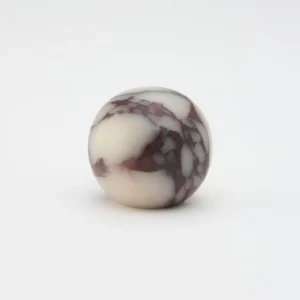

Standard Finishes
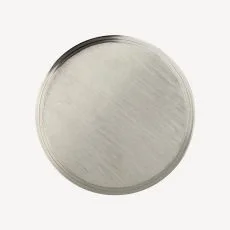
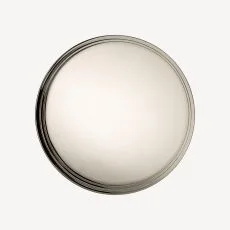
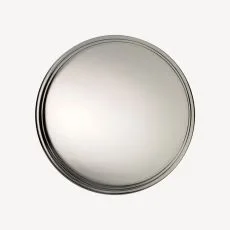
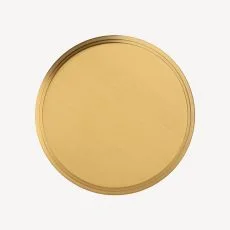
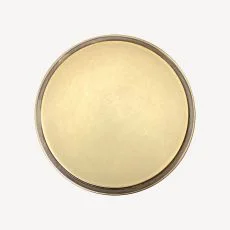
Custom Finishes
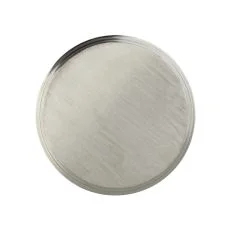
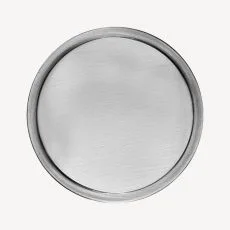
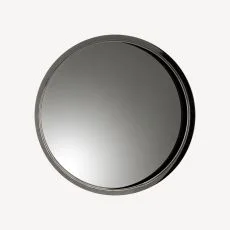
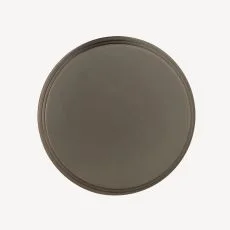

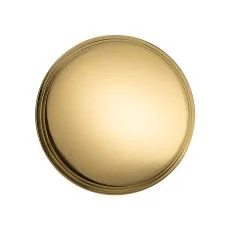
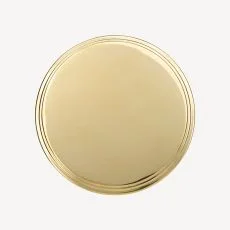
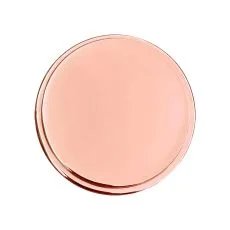
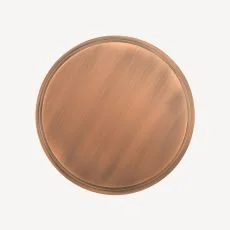
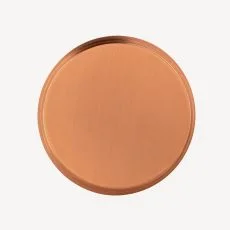
Powdercoat Finishes
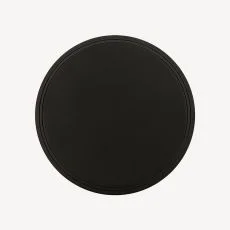
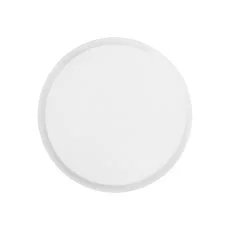
Cast Iron
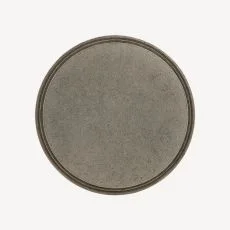
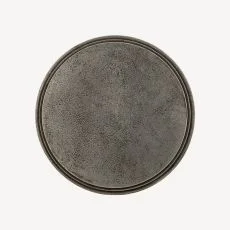
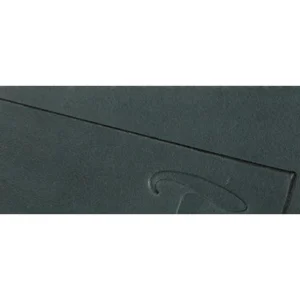
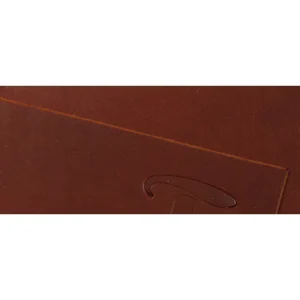
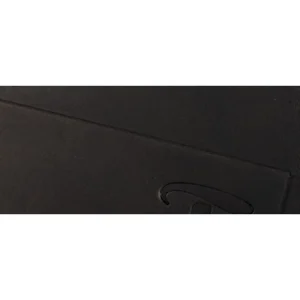
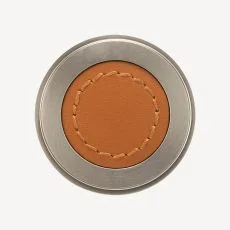
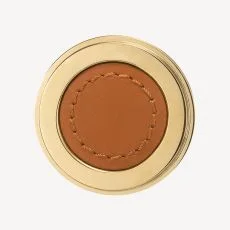
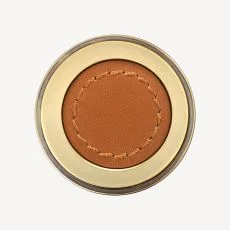
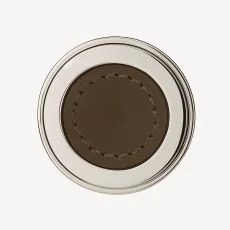
Split Leather Finishes
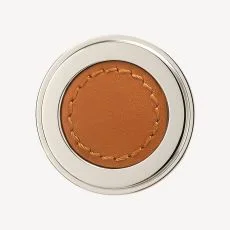

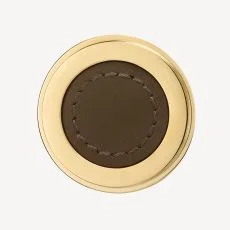
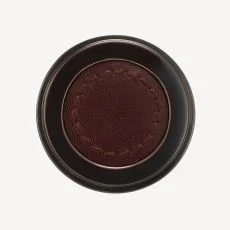
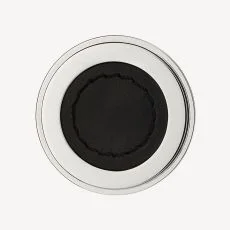
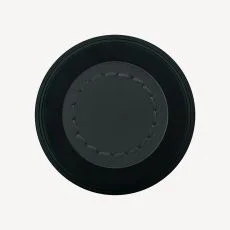
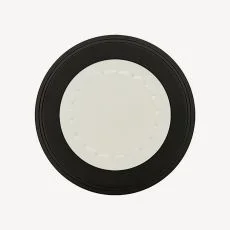
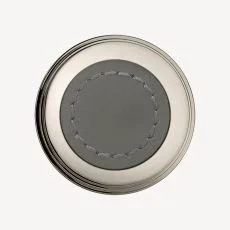
Split Acrylic Finishes
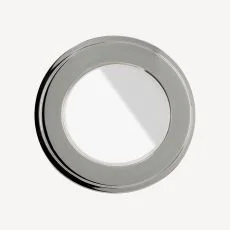



Split Wood Finishes
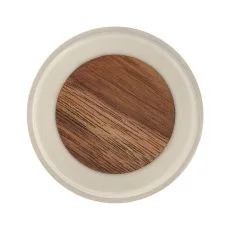
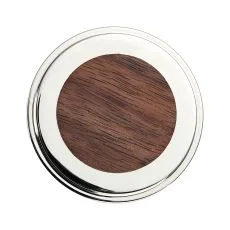
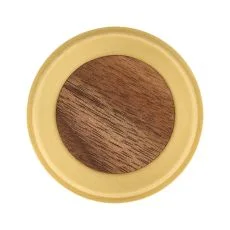
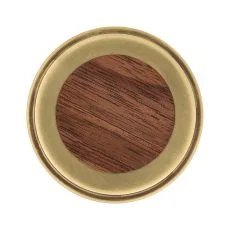
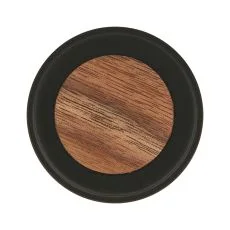
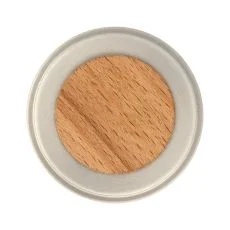
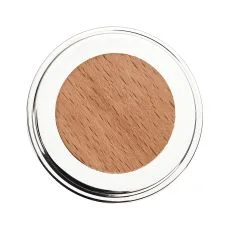
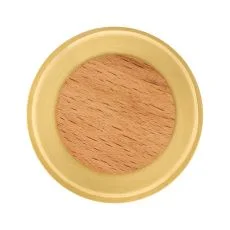
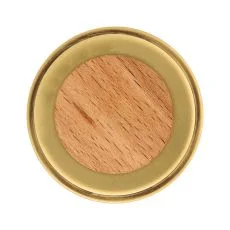
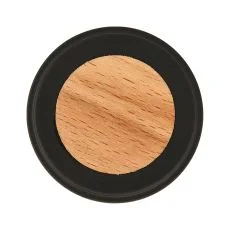
Textured Finishes
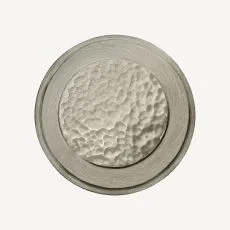
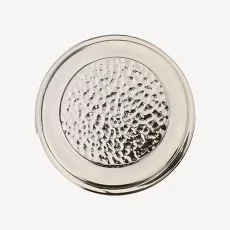
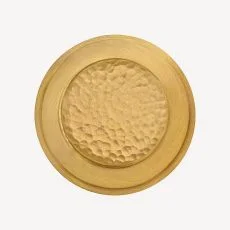
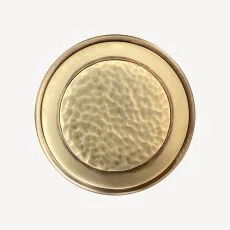
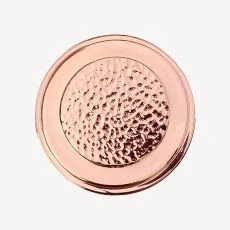
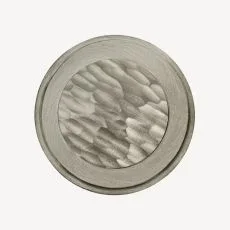
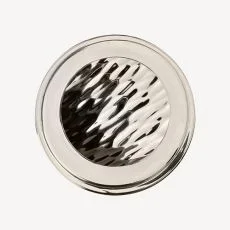
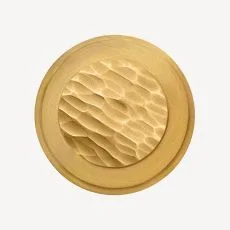
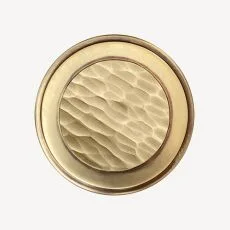
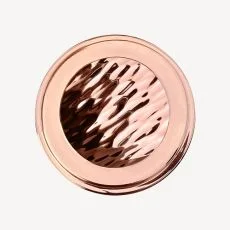
Split Finishes
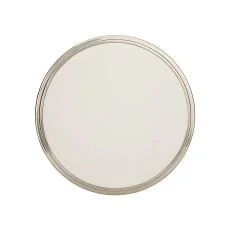
Solid Bronze
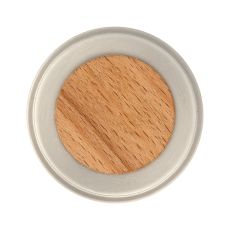
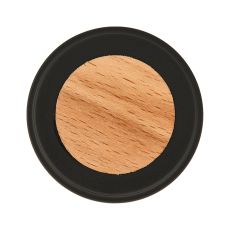
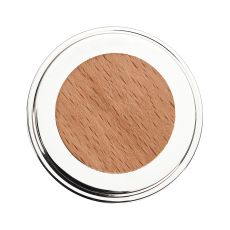
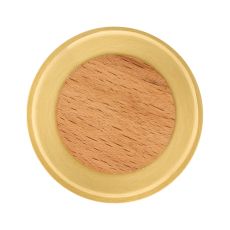





Chrome Finishes
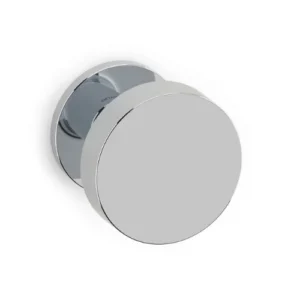
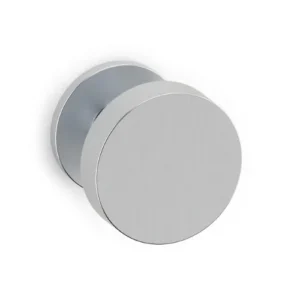
Coated Finishes
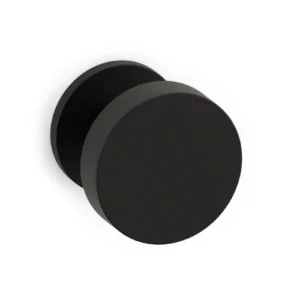
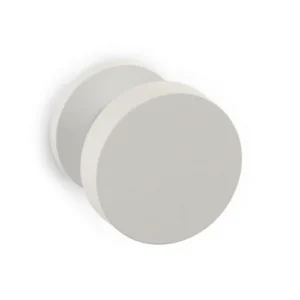
Superfinish PVD Finishes
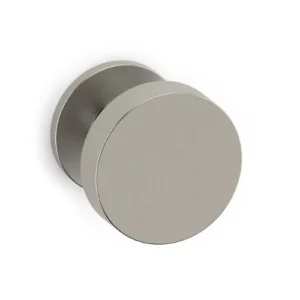
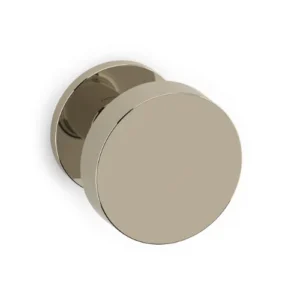
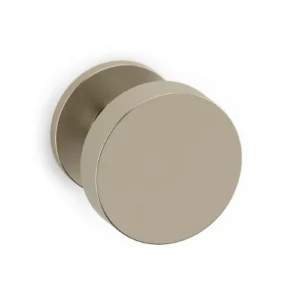
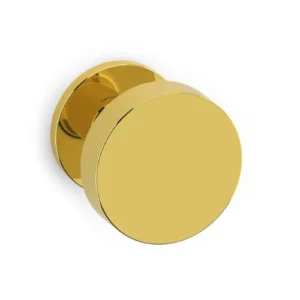
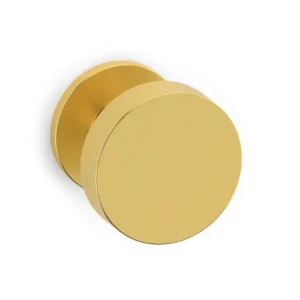
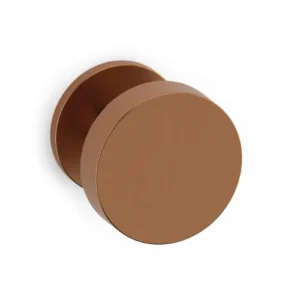
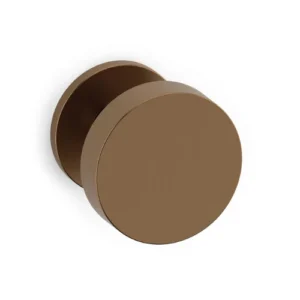
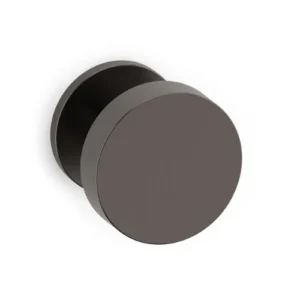
Brass Finishes

Leathers & Fabrics