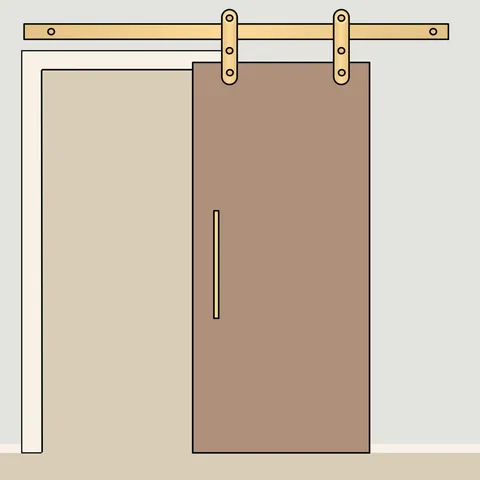
Barn Door
A sliding door mounted on an exposed track above the opening.
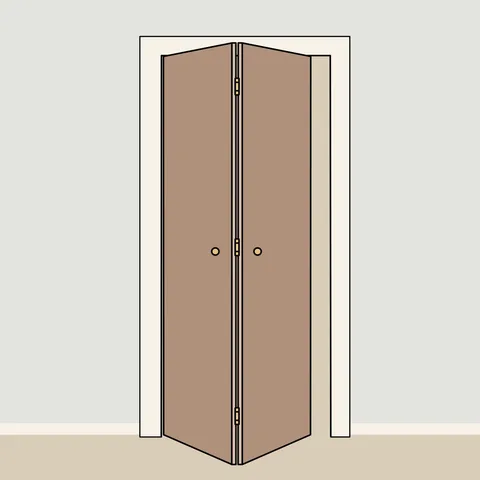
Bi-Fold Door
Two hinged panels that fold together when opened.
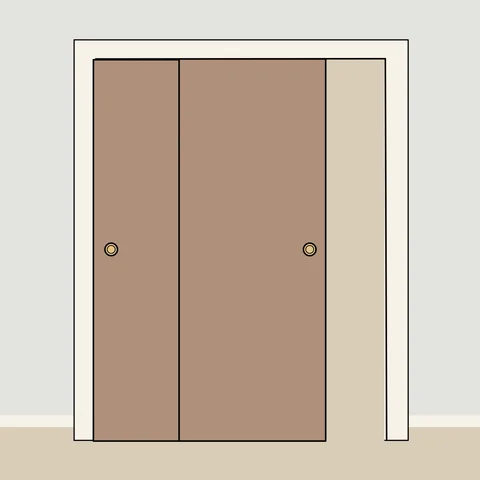
Bi-Pass Doors
Two sliding panels that pass each other on a shared track.
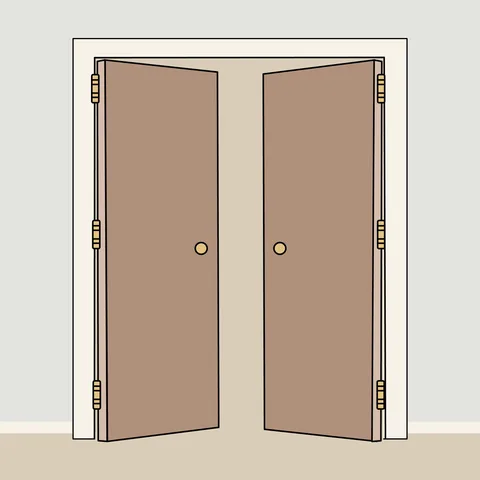
Double Doors
Two hinged doors that meet in the center and open from the middle.
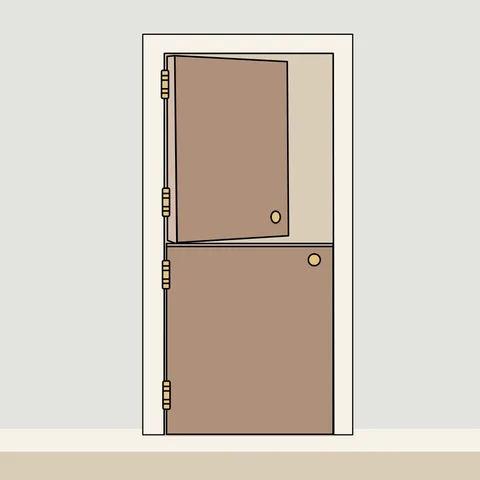
Dutch Door
A door divided horizontally into two independently operating sections.
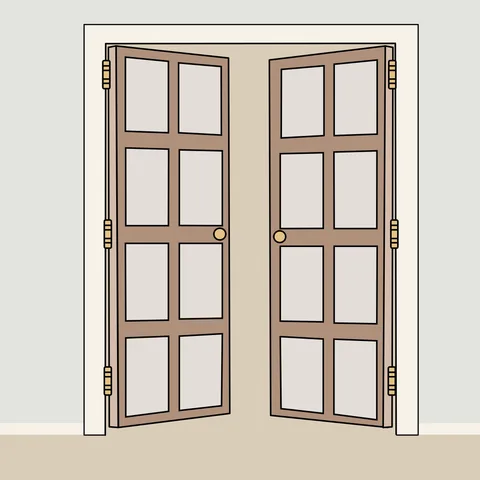
French Door
Double doors with glass panels that allow light and visibility between rooms.
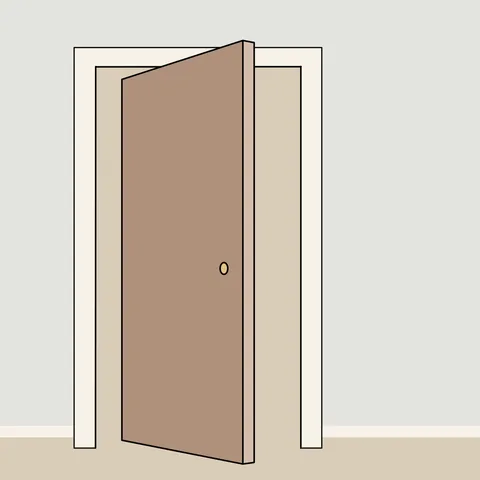
Pivot Door
A door mounted on top and bottom pivots instead of side hinges.
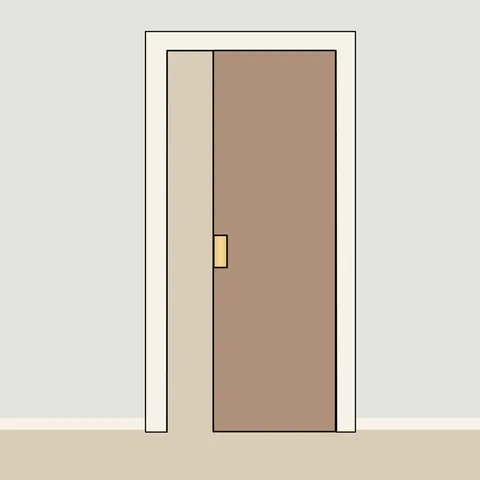
Pocket Door
A sliding door that disappears into the wall when opened.
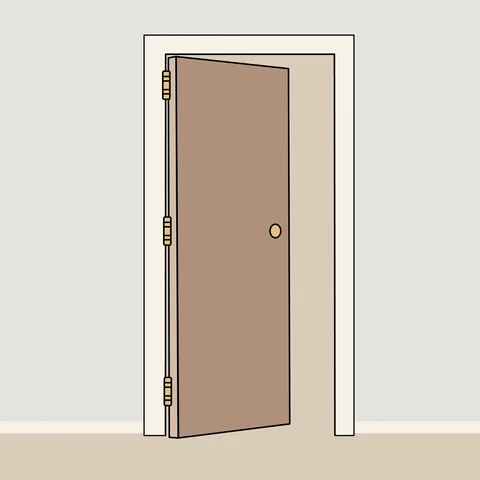
Swing Door
A single door mounted on side hinges that swings open and closed.
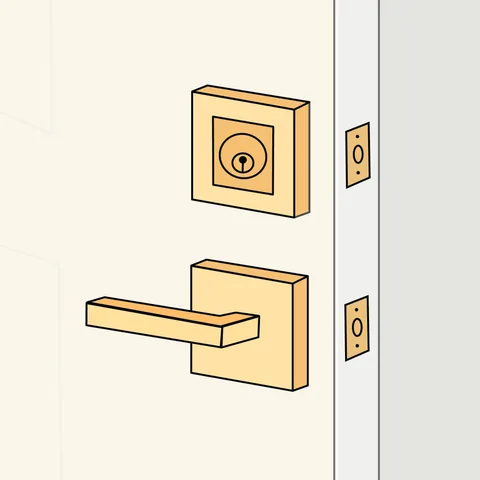
Keyed Function
A handle or knob that locks with a key from the outside and a thumbturn inside. Used on exterior doors.
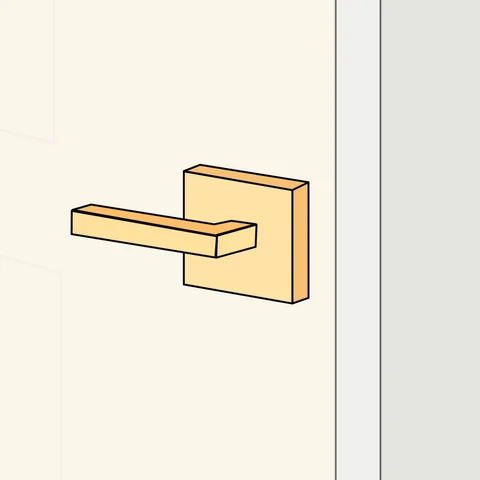
Dummy Function
A fixed handle or knob that does not turn. Used for decorative doors or pull-only applications.
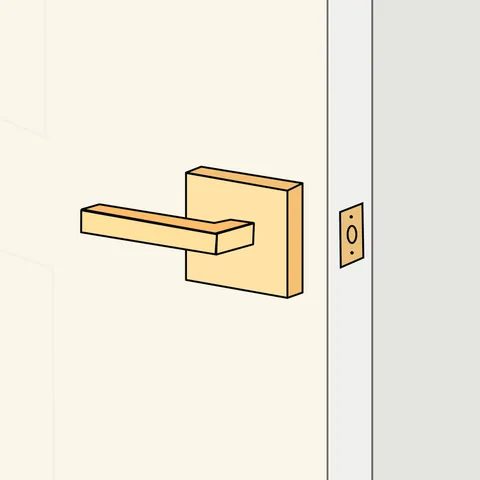
Passage Function
A non-locking handle or knob that operates a latch. Used on interior doors where privacy isn't required.
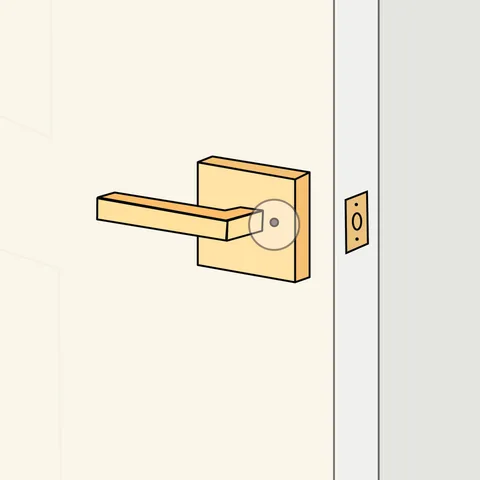
Privacy
A locking handle or knob for bedrooms and bathrooms. Locks from the inside with emergency exterior access.
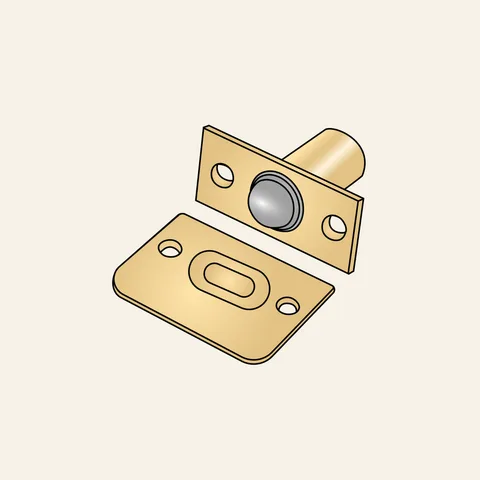
Ball Catch
A spring-loaded ball installed in the door edge that holds the door closed. Typically used on double doors without active hardware.
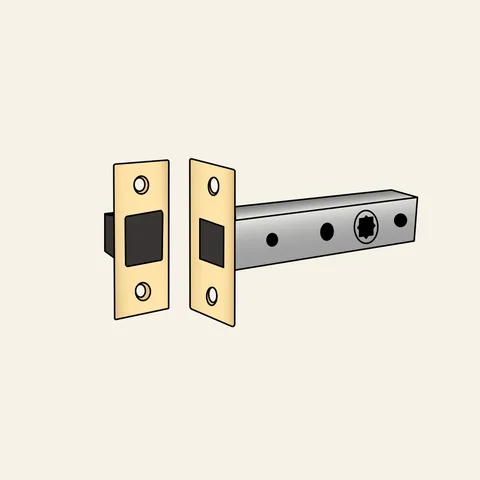
Magnetic Latch
A latch that uses a magnet instead of a mechanical catch. Provides quiet operation and a clean, modern look.
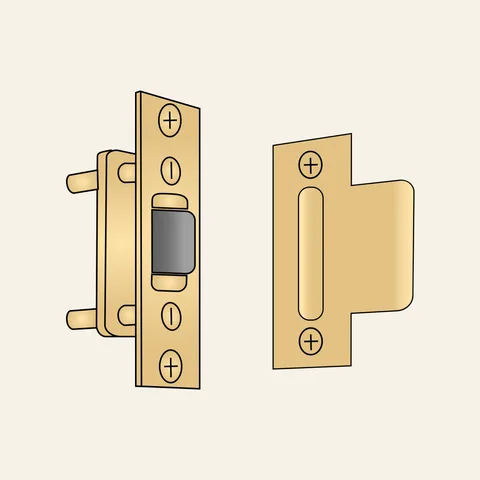
Roller Latch
A spring-loaded roller that presses into a strike plate. Often used on closet or interior doors without a full latch set.
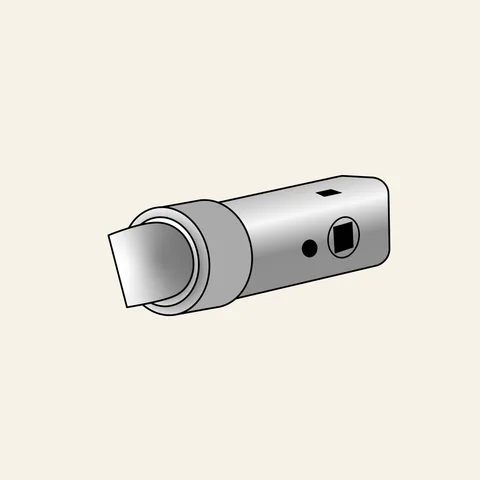
Drive In Latch
A cylindrical latch that installs without a faceplate. Typically used in interior residential doors.
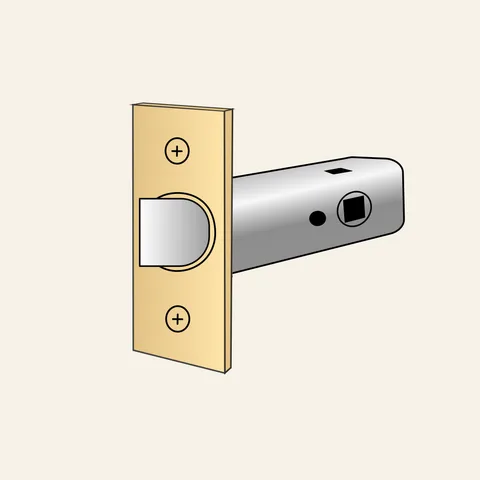
Tubular Latch
A latch installed through a round hole in the door edge. Commonly used with knobs and levers in residential doors.
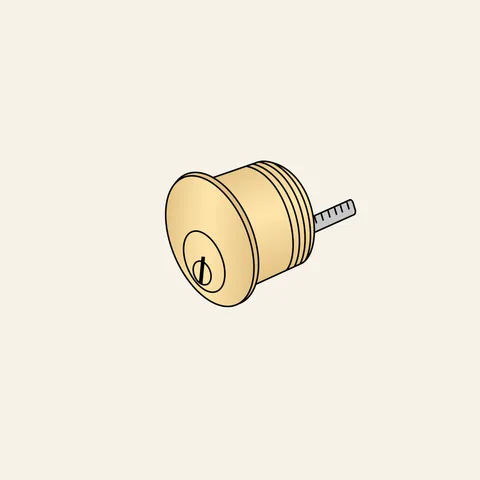
Deadbolt Cylinder
The key-operated cylinder inside a deadbolt that throws the locking bolt. Replaceable to rekey or upgrade.
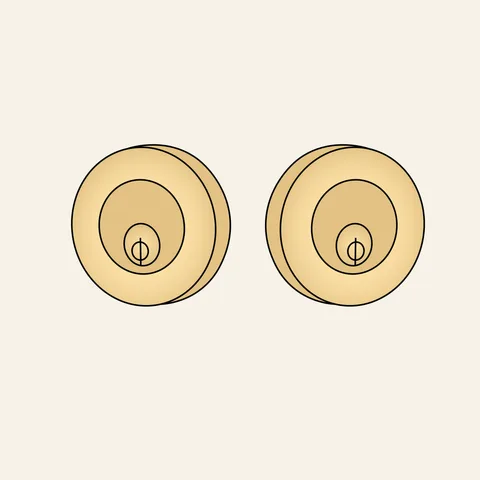
Double Cylinder Deadbolt
Requires a key on both sides of the door. Often used on doors with glass panels.
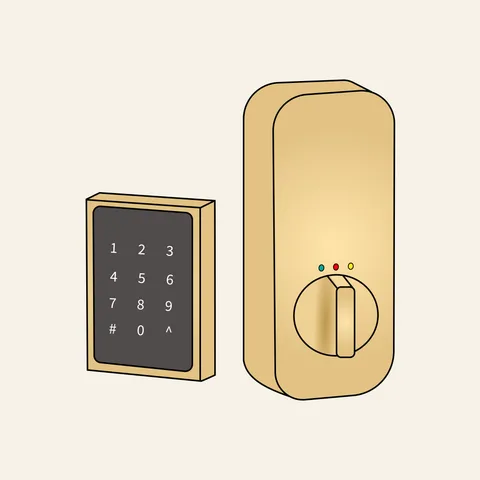
Electronic Deadbolt
A keyless lock operated by keypad, touchpad, or smart system. Allows entry without a traditional key.
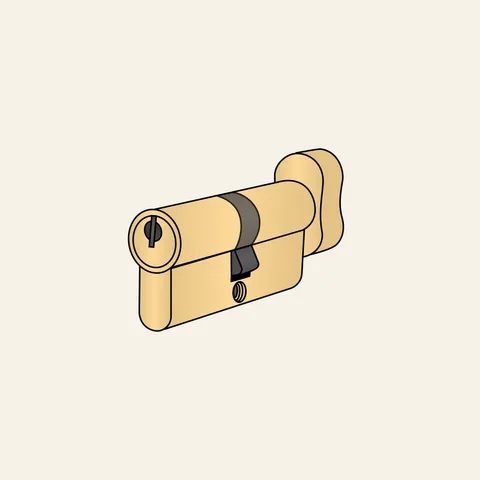
Euro Cylinder
A key cylinder shaped to fit European-style mortise locks. Often used with multipoint systems.
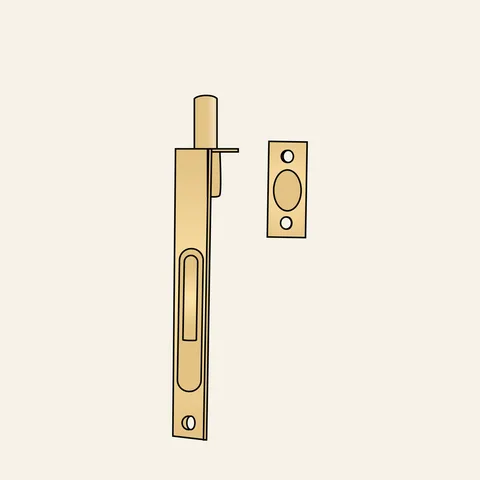
Flush Bolt
A bolt installed into the edge of a door and operated manually. Commonly used on the inactive leaf of double doors.
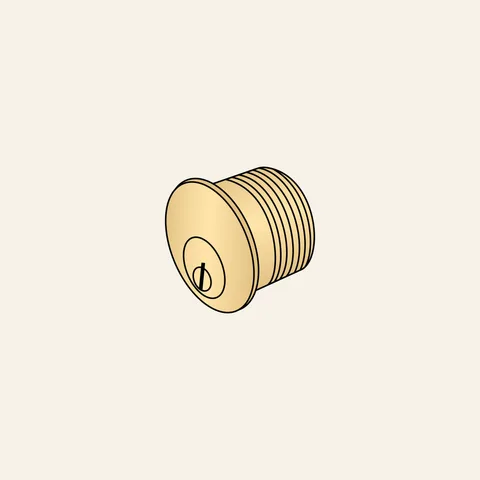
Mortise Cylinder
A threaded key cylinder that screws into a mortise lock body. Common in commercial and apartment doors.
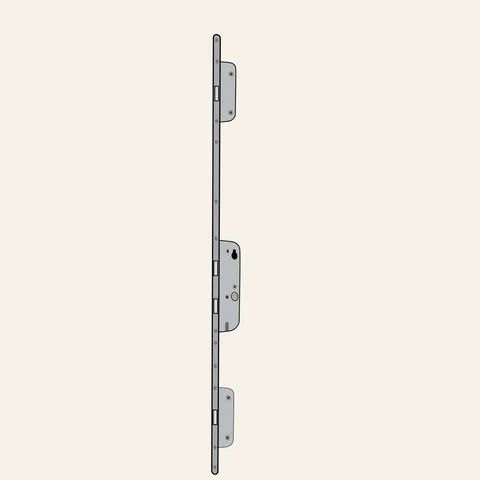
Multipoint Lock
A locking system that secures the door at multiple points along the edge. Commonly used on exterior doors for added security.
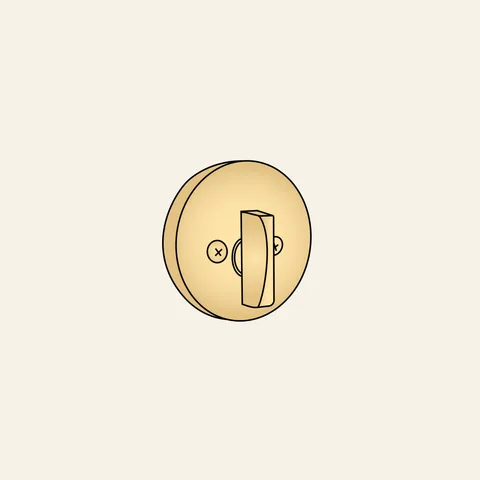
Patio Deadbolt
A deadbolt designed for patio or balcony doors. Typically locks from the interior side only.
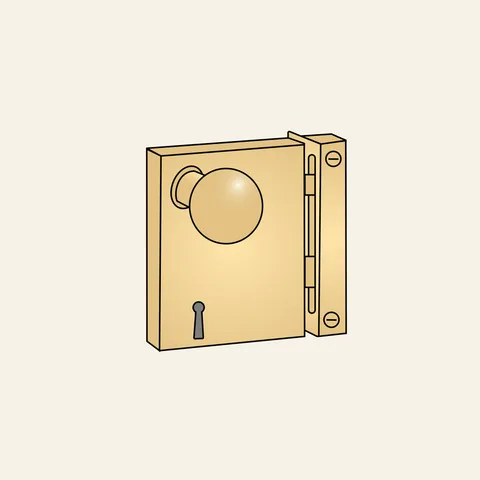
Rim Lock
A surface-mounted lock installed on the interior face of the door. Common in traditional or restoration-style applications.
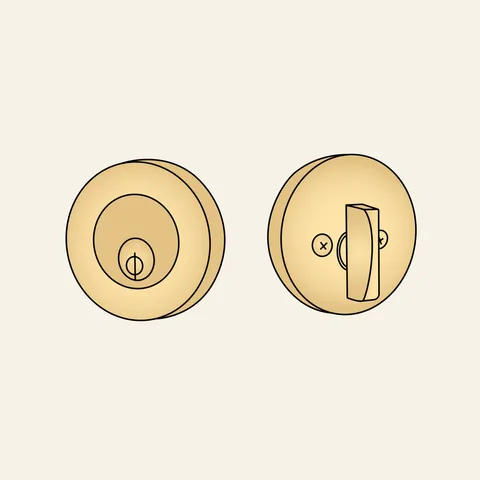
Single Cylinder Deadbolt
Operated by a key on the outside and a thumbturn on the inside. The most common type of exterior deadbolt.
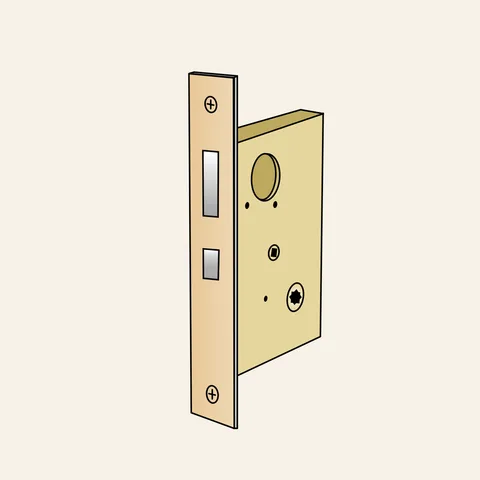
Mortise Lock
A rectangular lock installed inside a pocket cut into the door edge. Strong and durable, often used in higher-end or commercial doors.
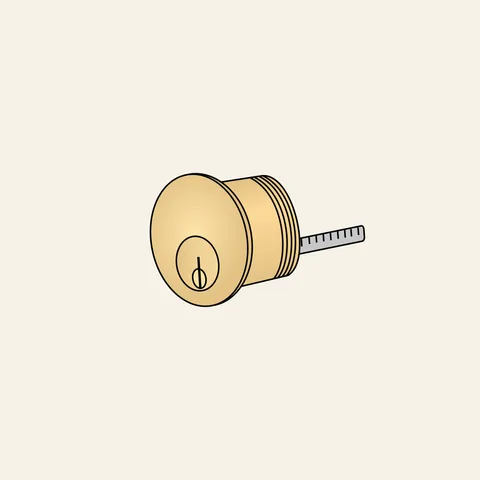
North American Cylinder
A key cylinder built to the standard North American profile. Used in most residential locks and deadbolts.
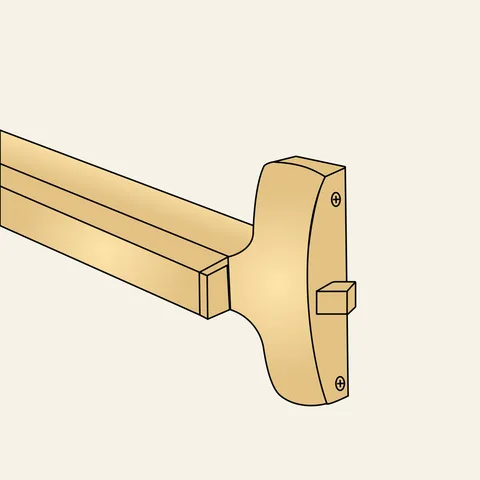
Panic Door Bar
A horizontal push bar that unlatches a door instantly when pressed. Required on commercial exit doors.
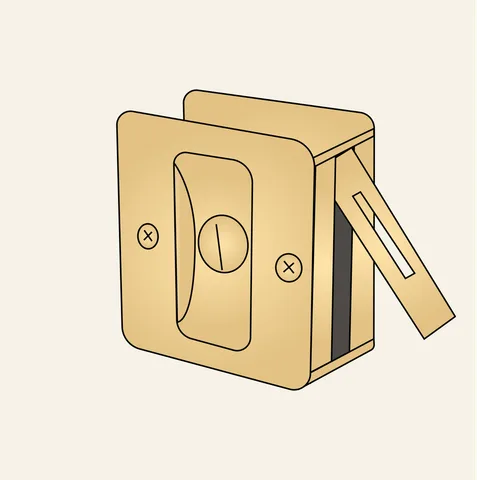
Pocket Door Lock
A lock designed for sliding pocket doors. Provides privacy by securing the door within the wall.
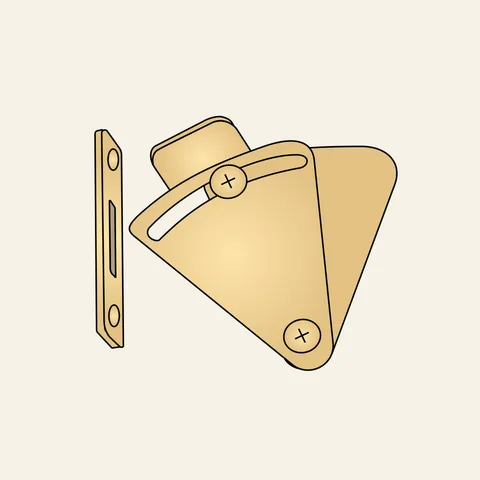
Bar Door Lock
A surface-mounted latch designed for sliding barn doors. Provides basic privacy for interior spaces.
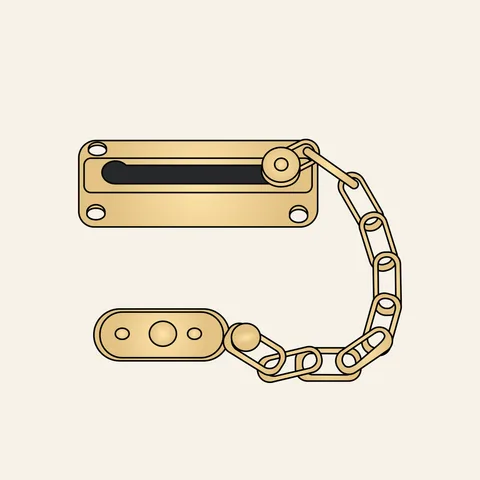
Chain Bolt
A spring-loaded bolt with a pull chain, mounted at the top of a door to secure the inactive leaf of a pair.
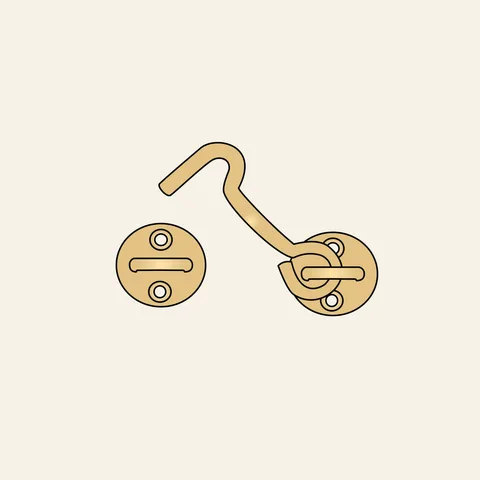
Hook Eye
A simple latch consisting of a hook and a loop. Provides light-duty security.
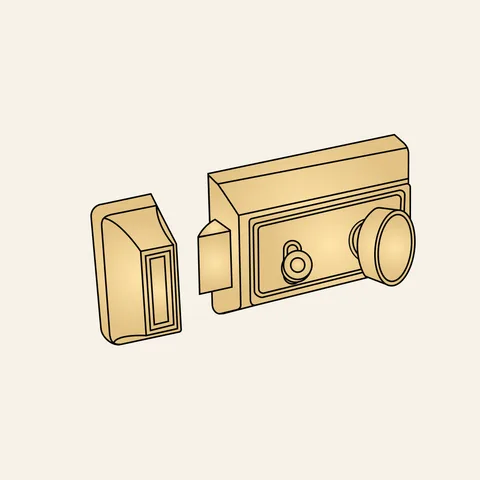
Rim Night Latch
A surface-mounted lock operated by a key from the outside and a thumbturn inside. Automatically locks when the door closes.
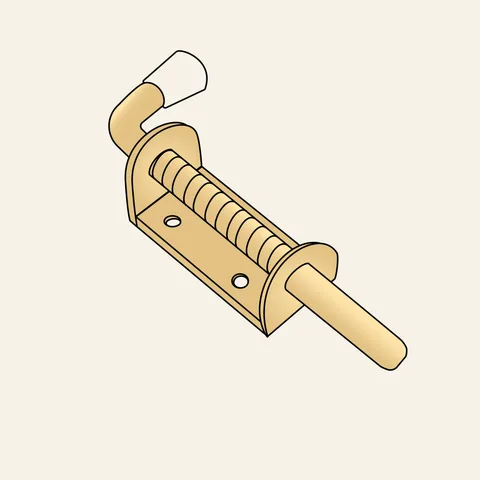
Spring Lock
A latch that locks automatically when the door closes, held by a spring-loaded bolt. Opens with a key or handle.
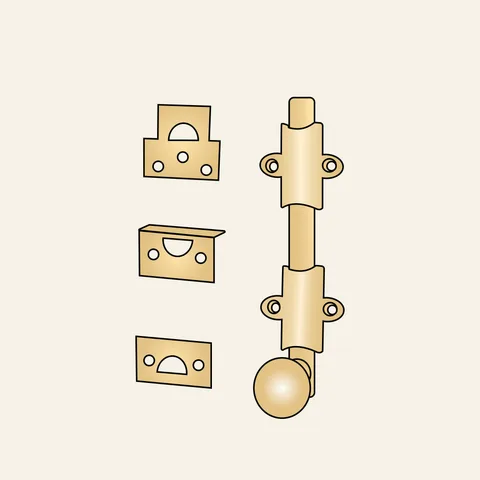
Surface Bolt
A manually operated bolt mounted to the surface of a door. Used to secure one leaf of double doors.
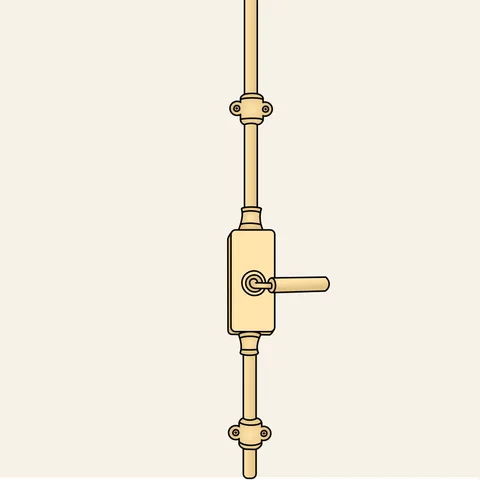
Cremone Bolt
A vertical locking system with rods that extend into the top and bottom of the frame. Often used on French doors or cabinets.
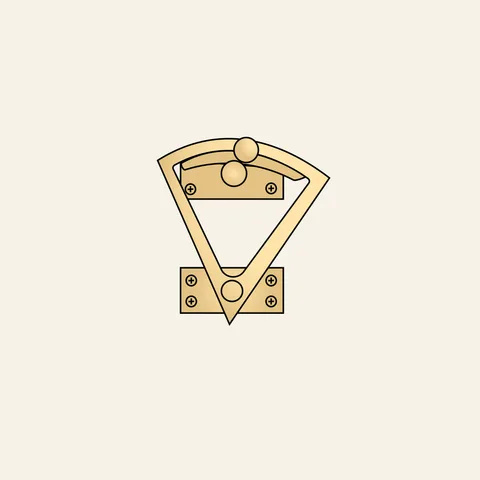
Dutchdoor Quadrant Lock
A small surface-mounted lock with a pivoting arm that drops into a strike plate. Commonly used on Dutch doors.
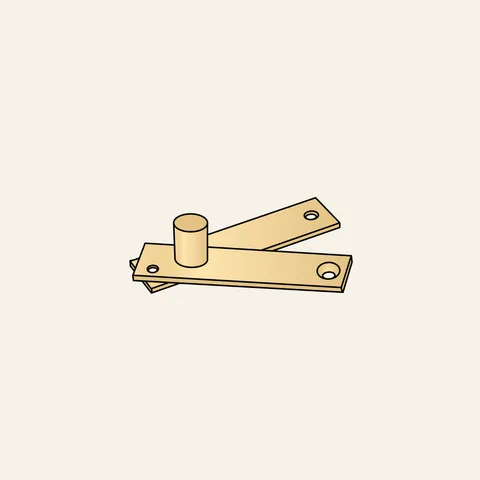
Pivot Hinge Center
A hinge mounted at the top and bottom of a door instead of the side.
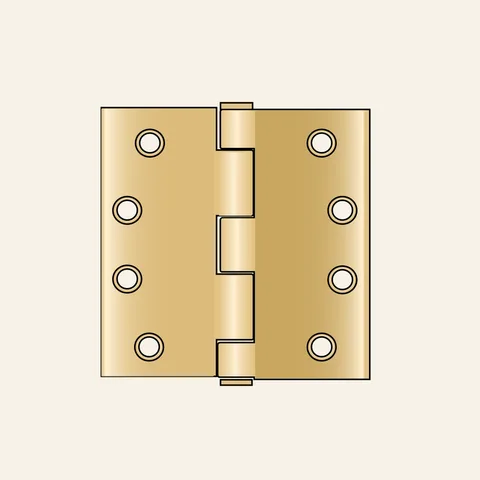
Plain Bearing Hinge
A standard hinge without internal bearings. Commonly used on lightweight interior doors.
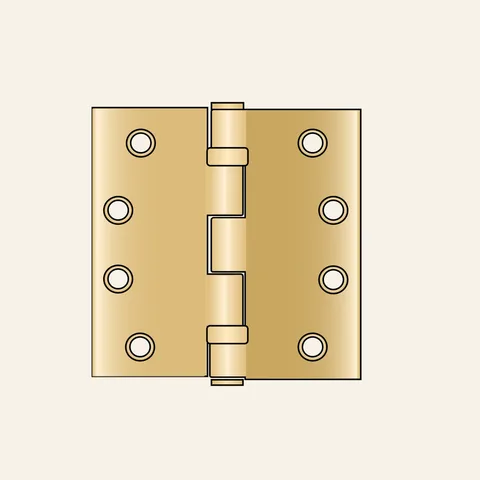
Ball Bearing Hinge
A hinge with internal ball bearings that reduce friction. Used for heavier or frequently used doors.
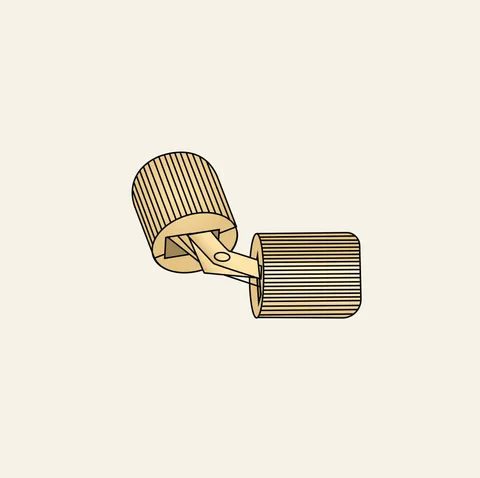
Barrel Hinge
A cylindrical hinge installed inside the door and frame. Hidden when the door is closed.
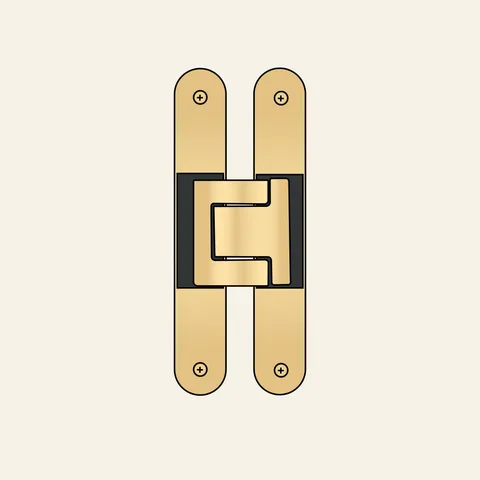
Concealed Hinge
A hinge hidden from view when the door is closed. Common in modern cabinetry.
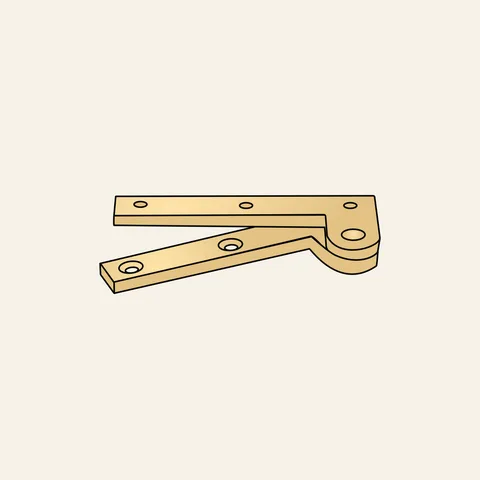
Knife Hinge
A slim hinge that pivots on a narrow blade inserted into the door and frame.
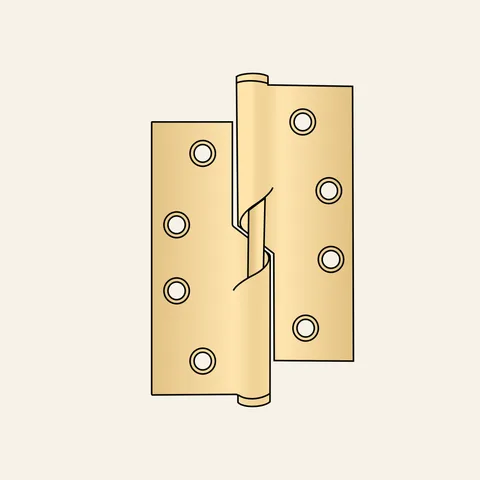
Lift Off Hinge
A hinge that allows the door to be removed without unscrewing it.
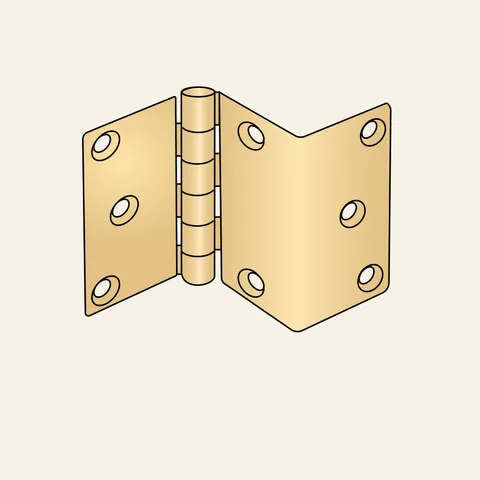
Offset Hinge
A hinge that shifts the pivot point away from the door edge to allow wider opening.
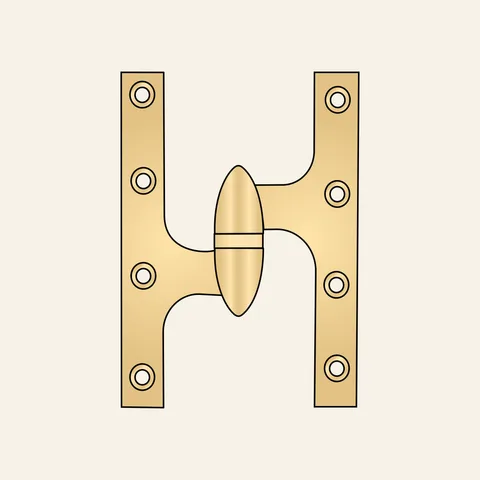
Olive Knuckle Hinge
A hinge with decorative rounded joints along the barrel. Often used in traditional designs.
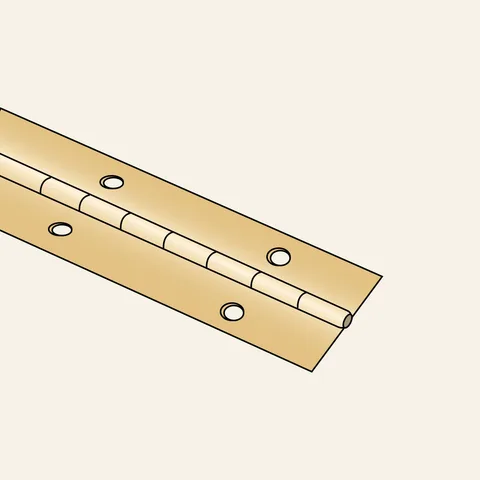
Piano Continuous Hinge
A long hinge that runs the full height of the door. Provides even support and alignment.
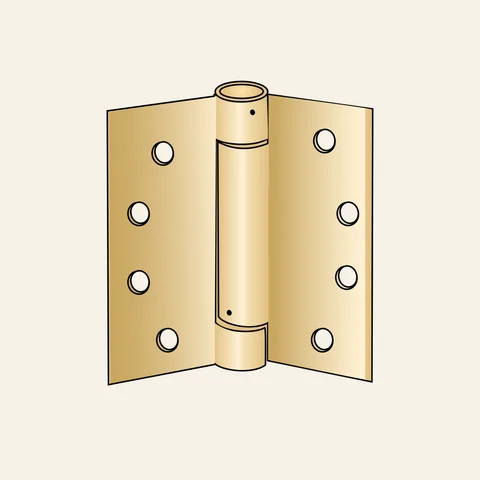
Spring Hinge
A hinge with a built-in spring that automatically closes the door.
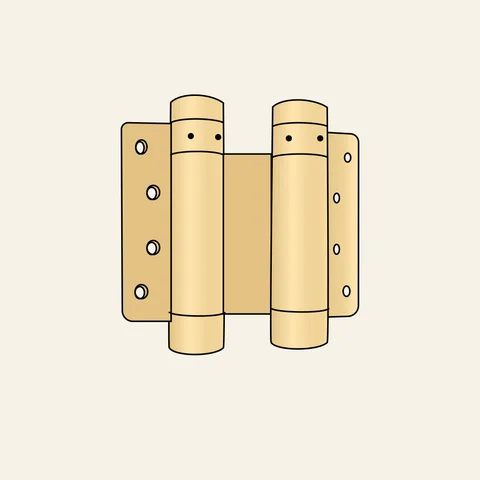
Swing Hinge
A hinge that allows a door to swing in both directions.
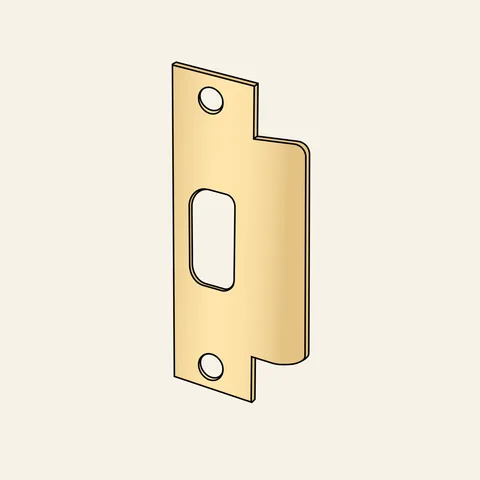
ASA Strike Plate
A heavy-duty strike plate with an extended lip. Commonly used on commercial doors.
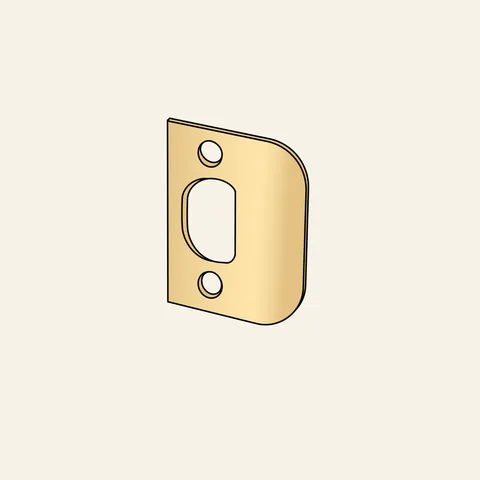
Full Lip Strikeplate
A strike plate with a curved lip that helps guide the latch into place. Common on residential doors.
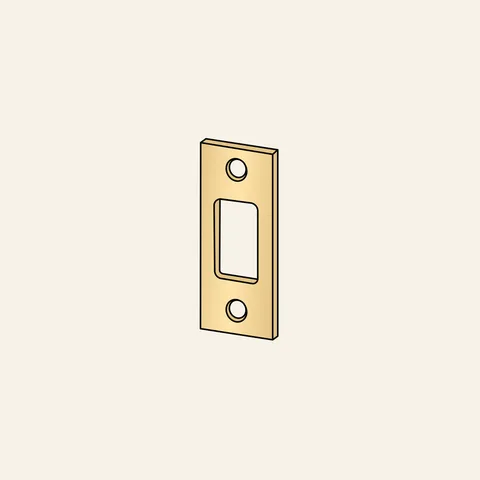
Latch Faceplate
A rectangular plate installed on the door edge around the latch. Provides a finished surface for mounting.
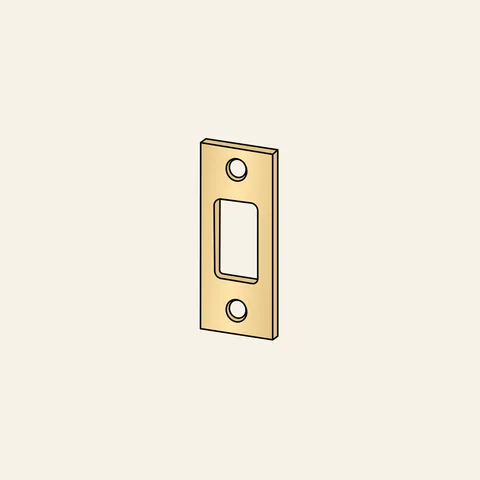
Latch Plate
A rectangular plate installed on the door edge around the latch. Provides a finished surface for mounting.
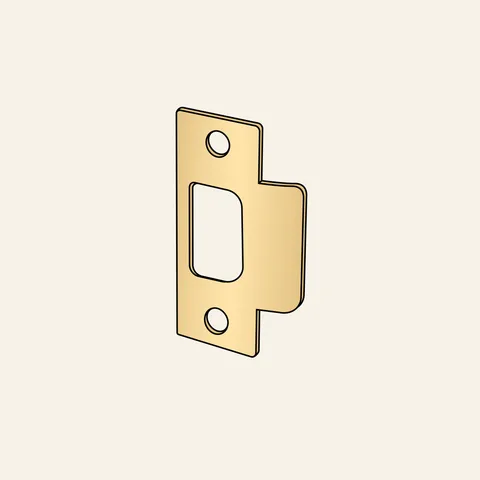
T Strike Plate Mortise
A strike plate with a reinforced shoulder design. Used for added strength and durability.
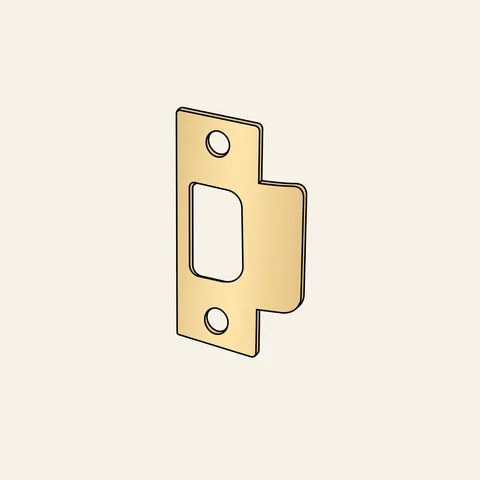
T Strike Plate Mortise
A strike plate with a reinforced shoulder design. Used for added strength and durability.
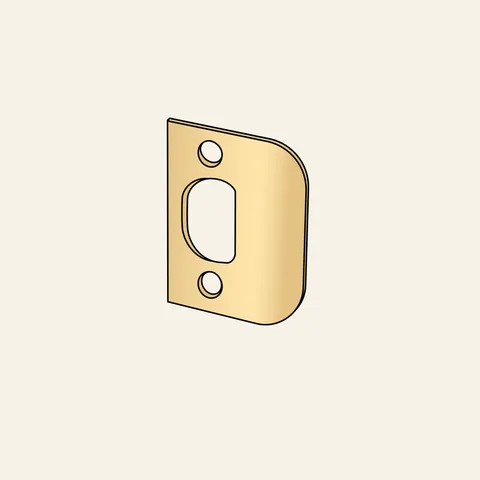
Full Lip Strike
A strike plate with a curved lip that helps guide the latch into place. Common on residential doors.
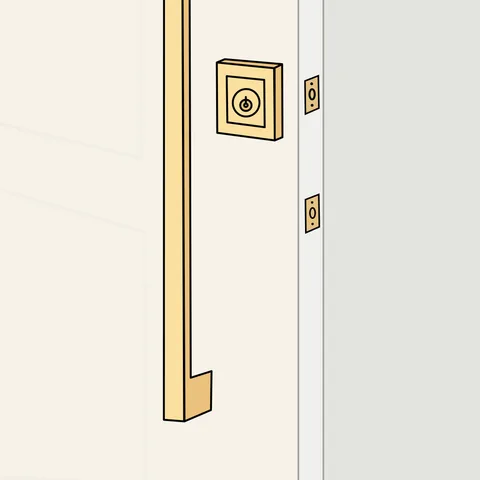
Door Pull + Deadbolt
A fixed door pull paired with a separate deadbolt and roller latch. Used when no lever is needed.
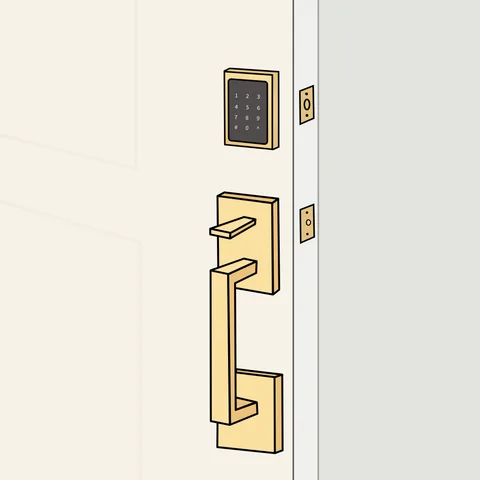
Electronic Deadbolt + Grip Set
A keypad deadbolt paired with a fixed grip handle. Allows keyless entry on exterior doors.
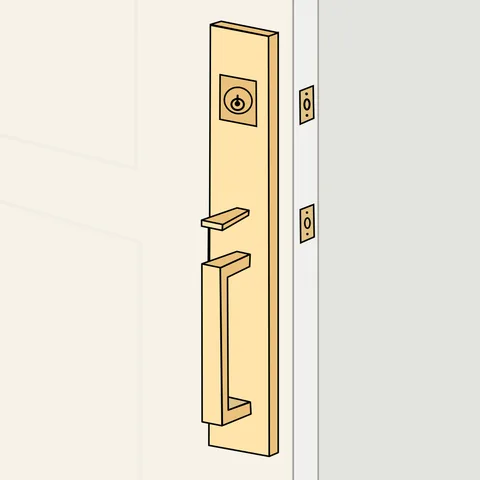
Full Grip Set
A fixed exterior grip with a thumb latch and separate deadbolt above. Common on front entry doors.
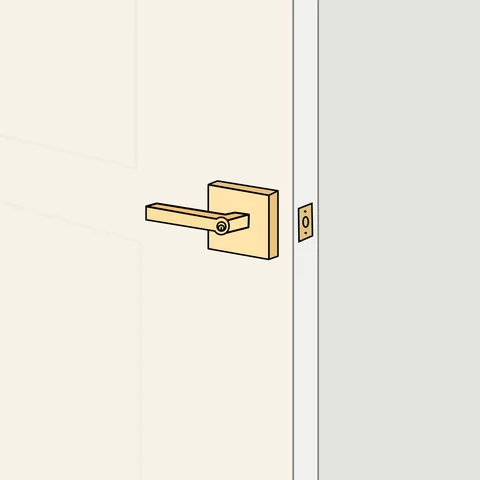
Key In Lever
A lever with a built-in key cylinder. Locks and unlocks using a key from the outside.
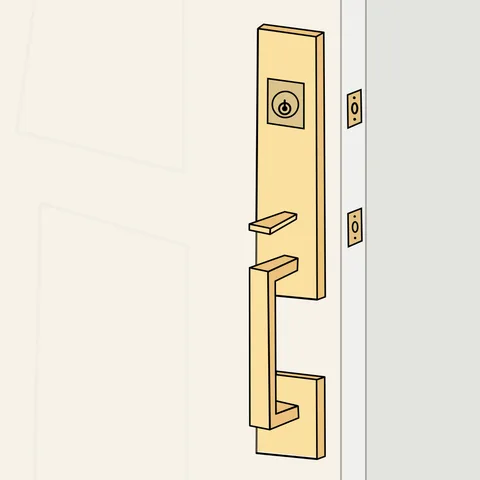
Monolithic Grip Set
A full-length backplate with integrated grip and lock. Often used on modern exterior doors.
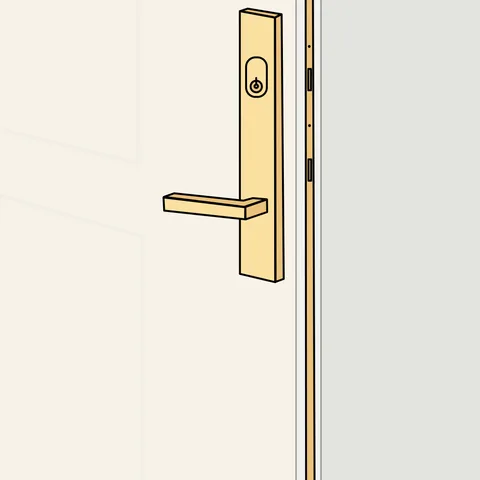
Multi Point Lock
Exterior trim designed to operate a multipoint locking system. Locks the door at several points along the edge.
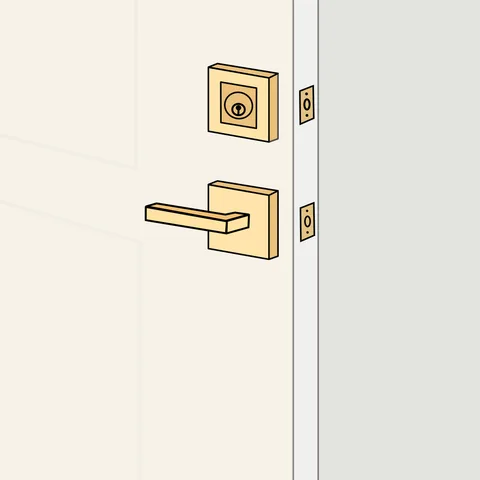
Passage Set + Deadbolt
A lever or knob paired with a separate deadbolt above. Common on exterior doors for everyday use and added security.
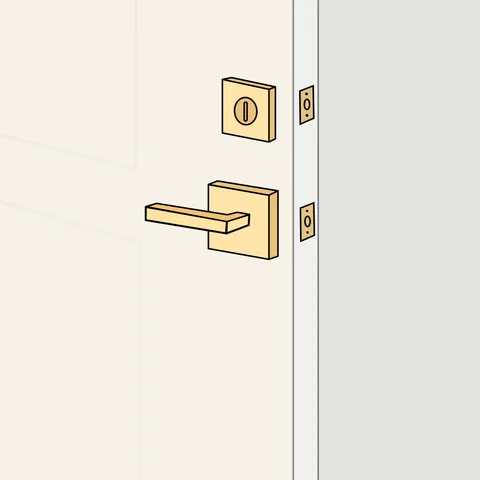
Passage Set + Privacy Bolt
A passage handle with a separate privacy bolt. Allows basic latching with additional interior locking.
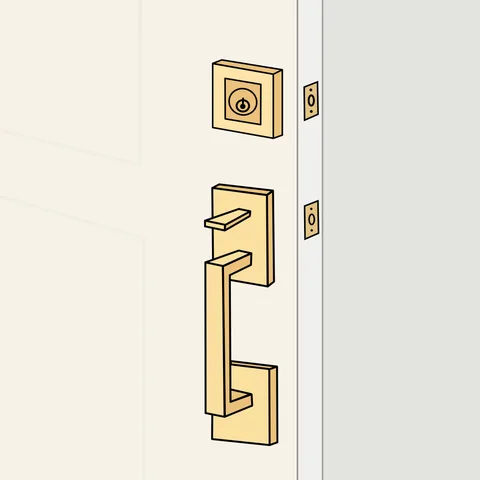
Sectional Grip Set
A grip mounted in separate pieces rather than one long plate. Allows flexible placement of lock components.
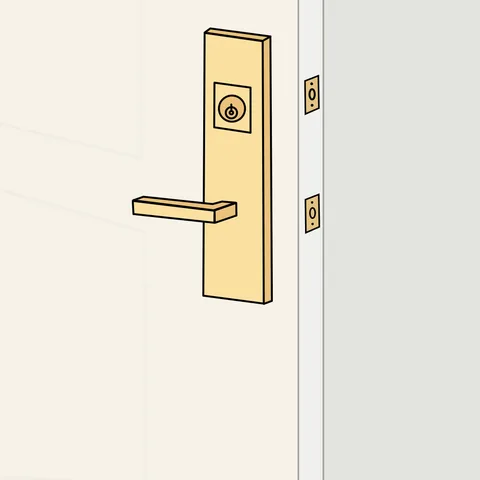
Side Plate Handle
A lever mounted on a decorative backplate, often paired with a separate deadbolt. Common in traditional door designs.
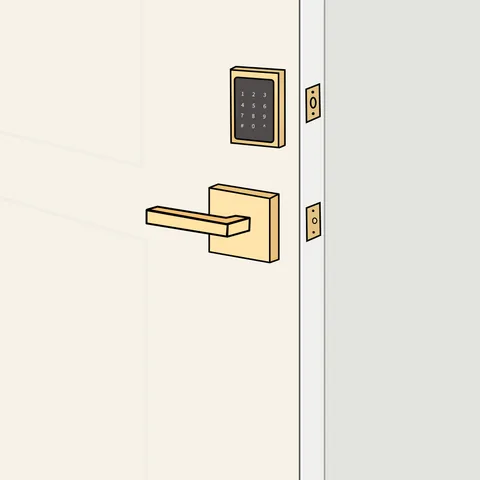
Electronic Deadbolt Lever
A keypad or smart deadbolt paired with a matching lever. Allows secure entry using a code or app instead of a key.
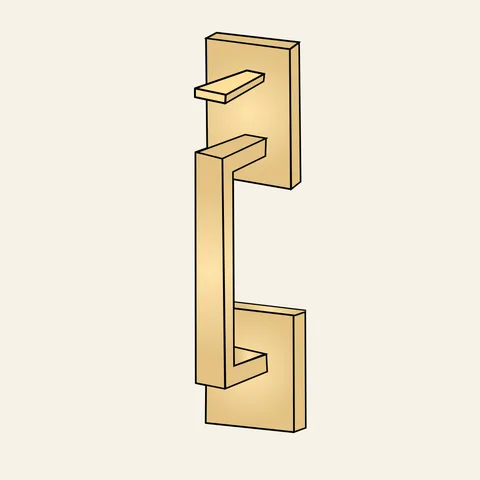
Grip Thumblatch
A fixed entry grip with a thumb-operated latch above the handle. A classic look for front doors.
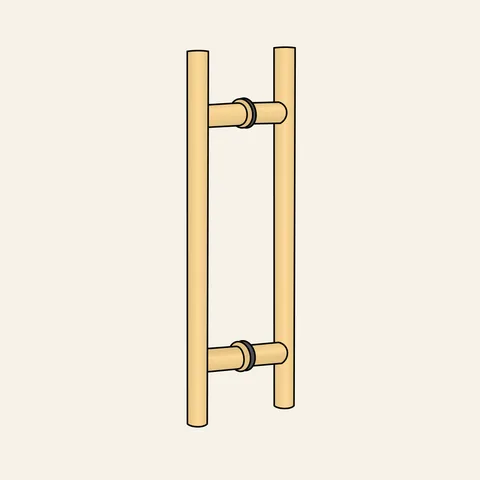
Back To Back Pull
Two pulls mounted on opposite sides of a door.
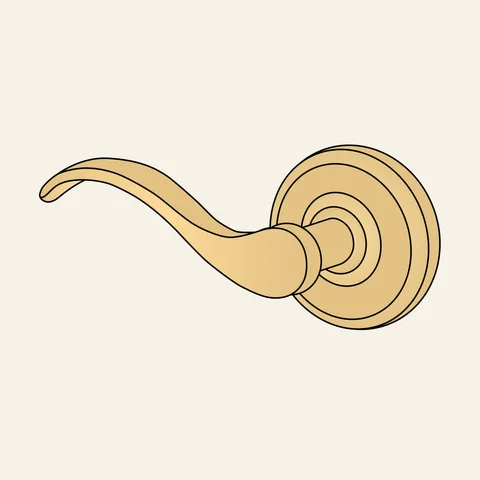
Curved Scroll Lever
A lever with a curved, flowing shape for a traditional style.
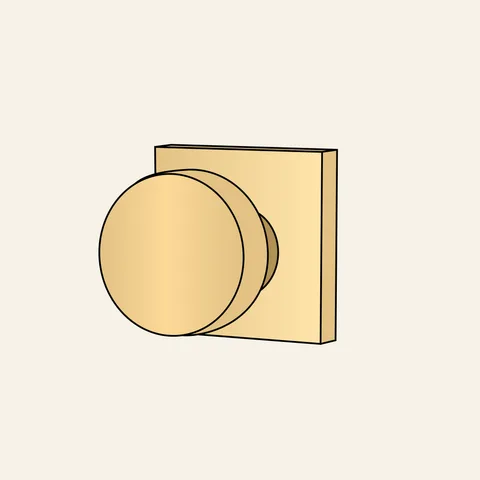
Disk Knob
A flat, circular knob with a clean, modern profile.
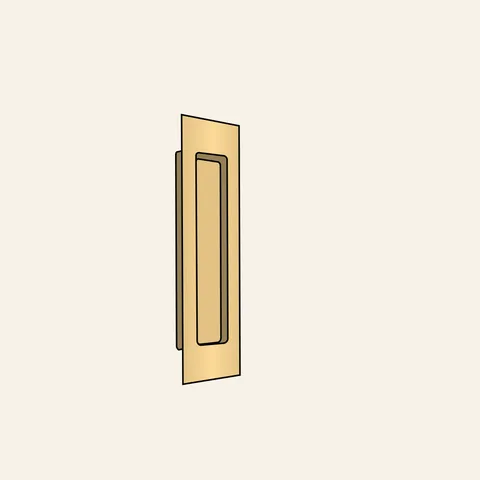
Flush Pulls
A recessed pull set into the face of a door or drawer so nothing protrudes. Common on sliding and pocket doors.
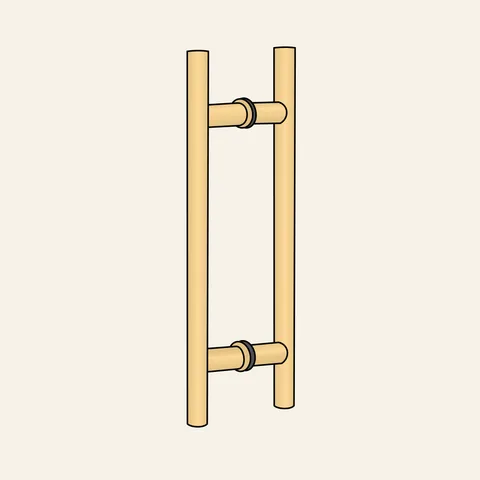
Handles Back To Back Pull
Two pulls mounted on opposite sides of a door.
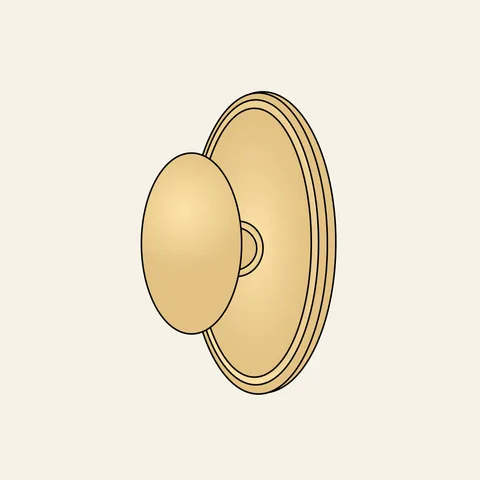
Oval Egg Knob
An oval-shaped knob that fits comfortably in the hand.
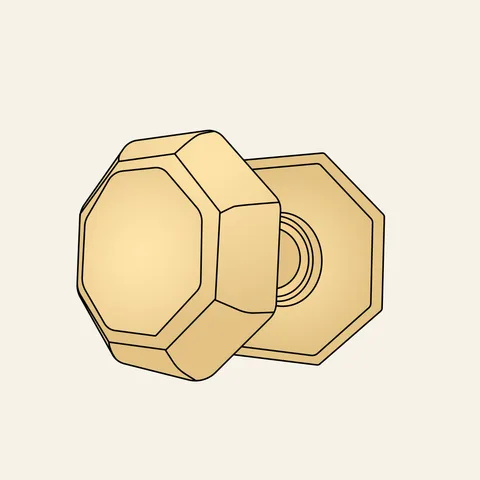
Oversized Door Knob
A larger-scale knob designed for visual impact.
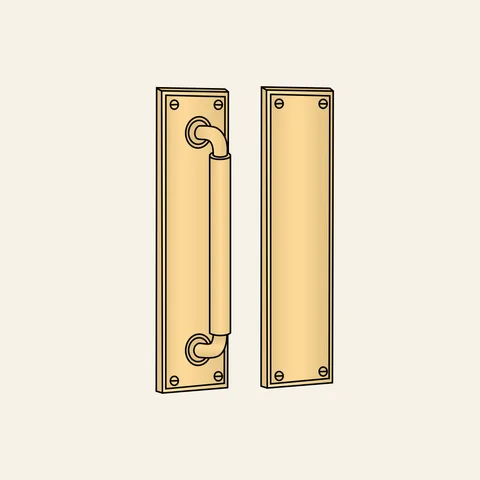
Push Pull Plate
A flat plate used to push or pull a door without a lever.
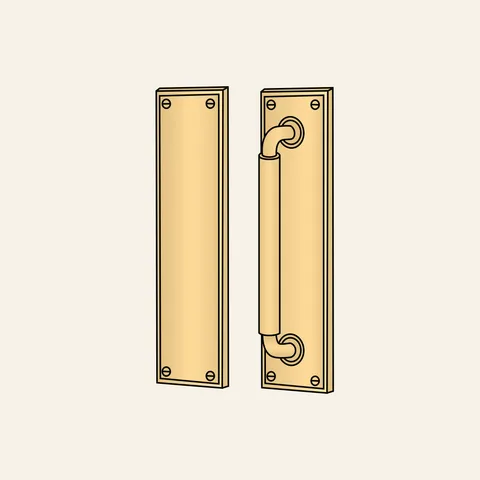
Push Pull Plate
A flat plate used to push or pull a door without a lever.
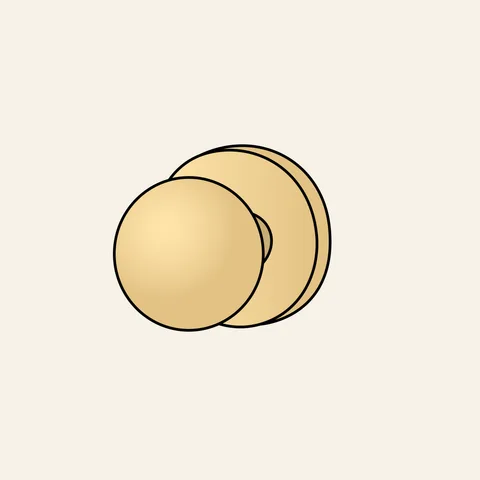
Round Knob
A circular knob with a smooth, traditional form.
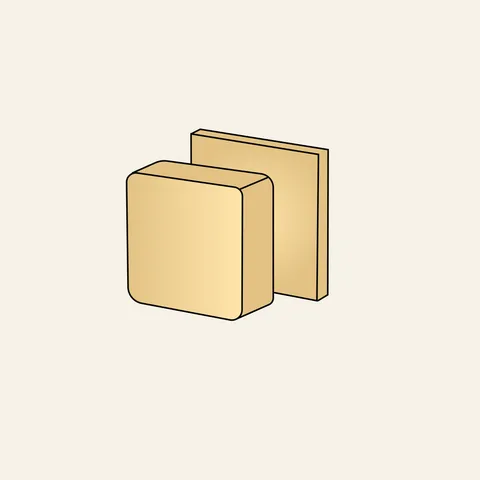
Square Knob
A knob with straight edges and sharp corners.
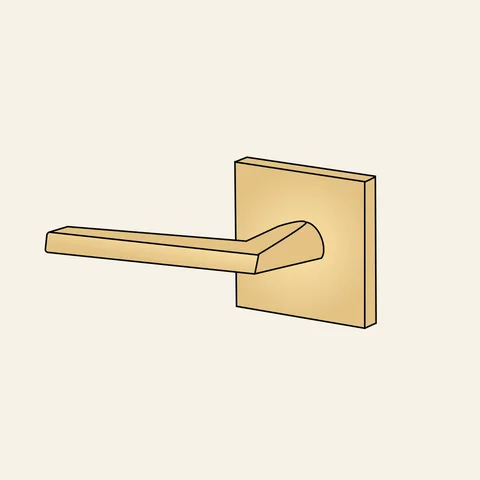
Straight Lever
A simple, straight handle with a clean, modern appearance.
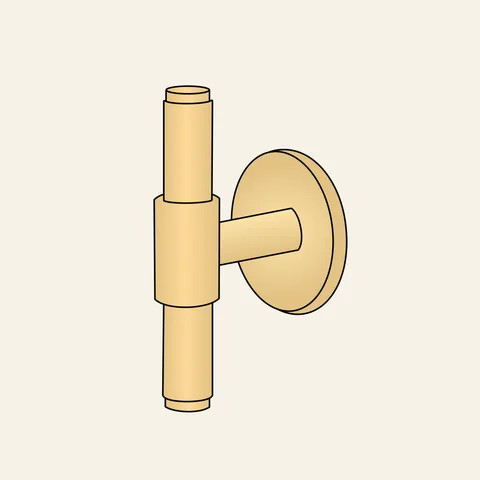
T Knob Lever
A horizontal bar-style knob shaped like a “T.”
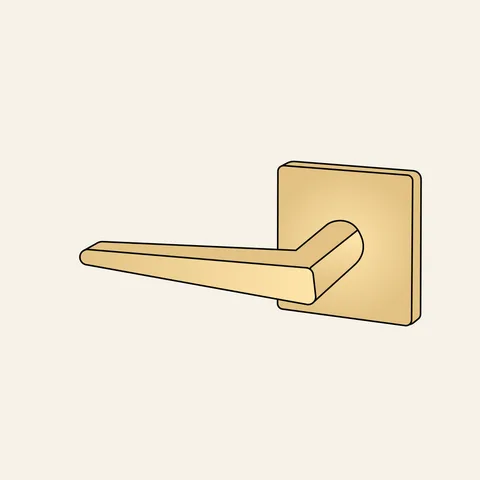
Tapered Lever
A lever that narrows toward the end for a refined profile.
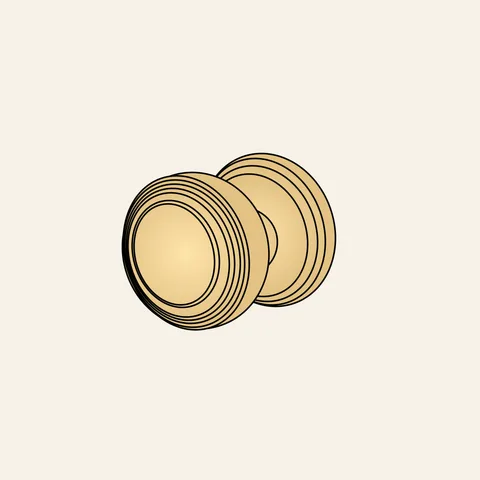
Textured Knob
A knob with a patterned surface for grip.
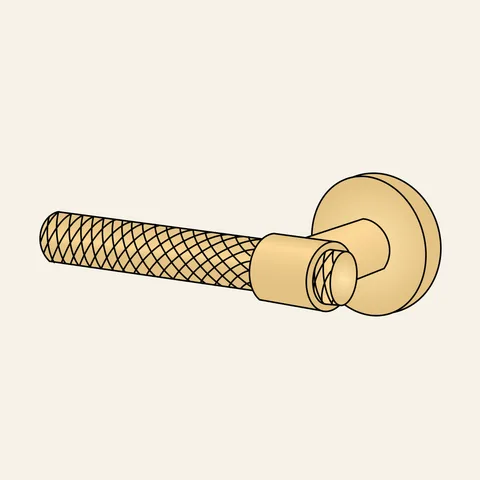
Textured Lever
A lever with a patterned surface for added grip and detail.
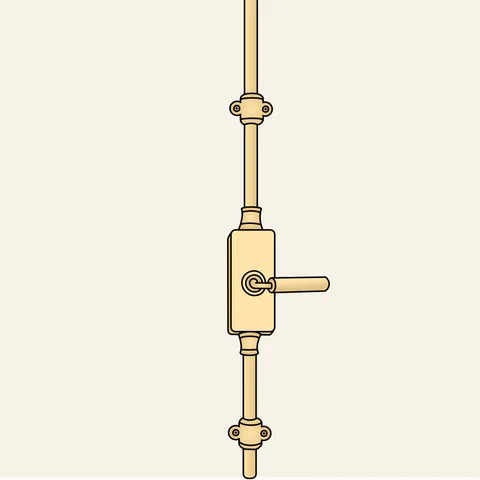
Cremone Bolt
A vertical locking system with rods that extend into the top and bottom of the frame. Often used on French doors or cabinets.
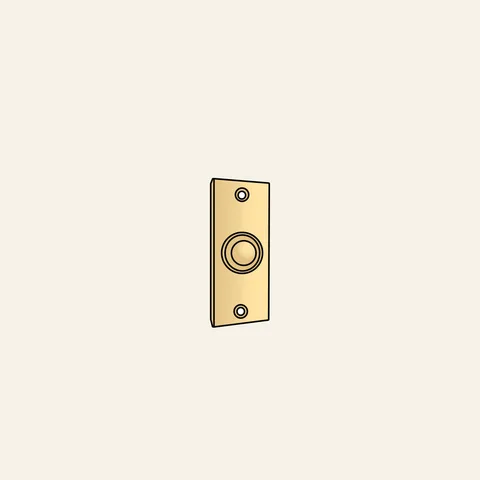
Bell Button Door
A button mounted to a door frame to activate a doorbell.
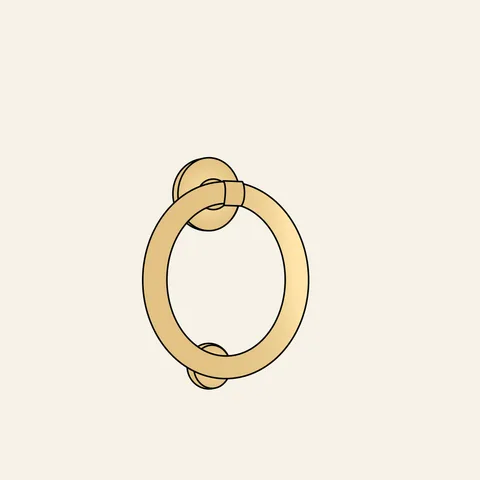
Door Knocker
A decorative piece used to announce visitors.
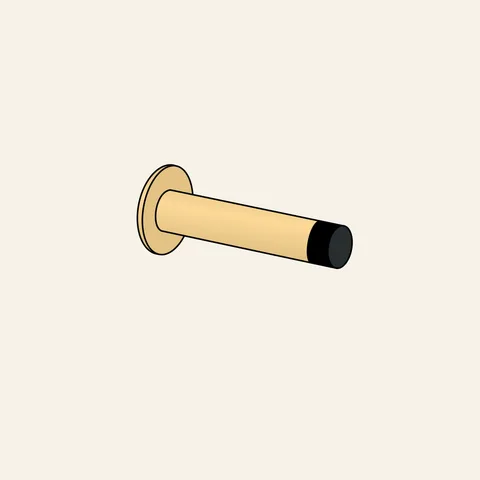
Door Stop
A device installed to prevent a door from hitting a wall.
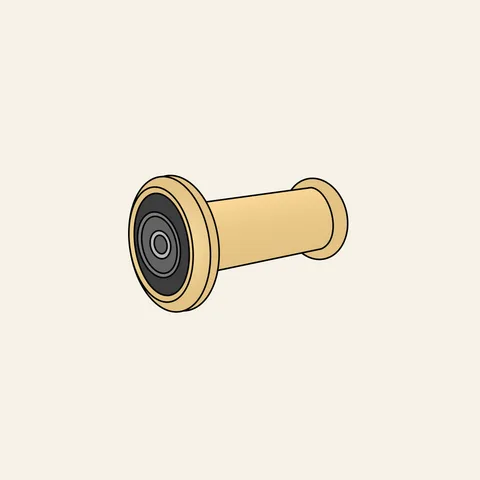
Door Viewer Peep Hole
A small lens installed in a door to see outside.
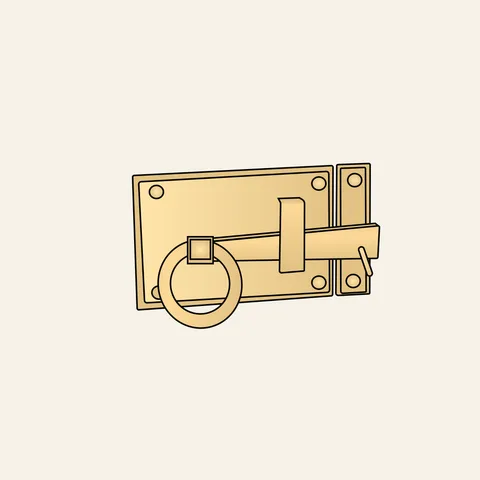
Gate Hardware
Weather-resistant hinges, latches, and pulls used to hang and secure an exterior gate.
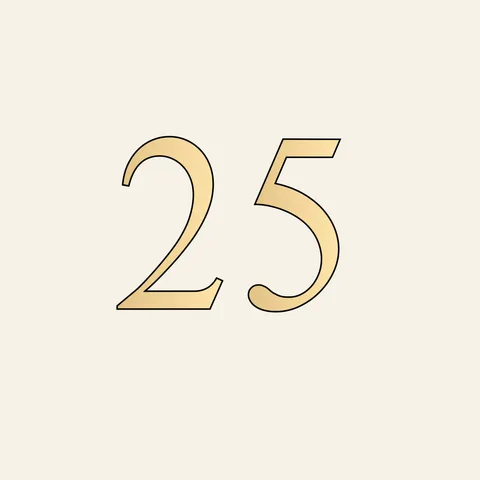
House Numbers
Numbers mounted to the exterior to identify a home.
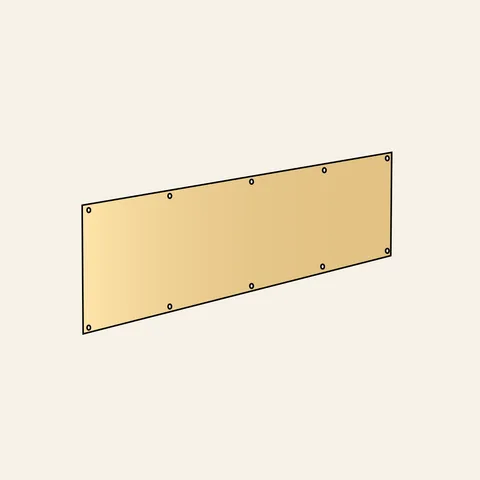
Kick Plate
A protective plate installed at the bottom of a door.
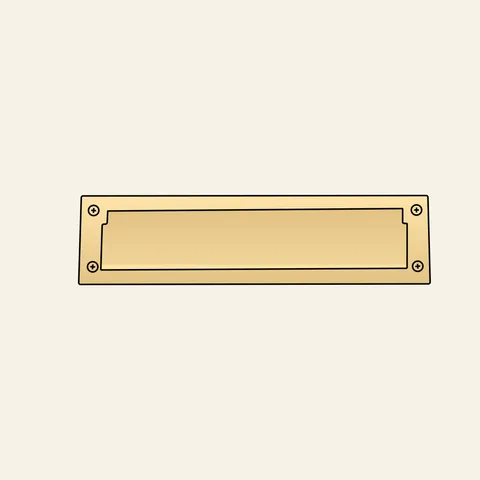
Mail Slot
An opening installed in a door or wall for mail delivery.
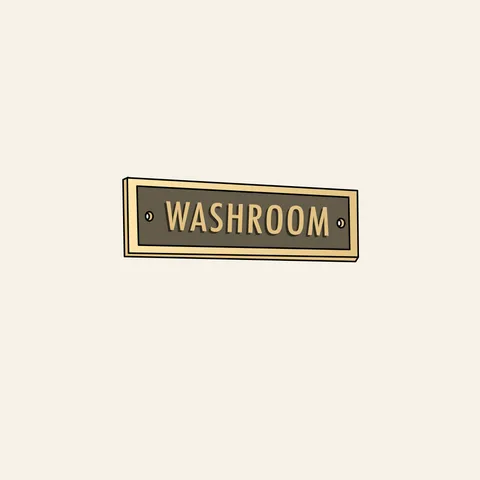
Signage
A mounted plate used for identification or direction.
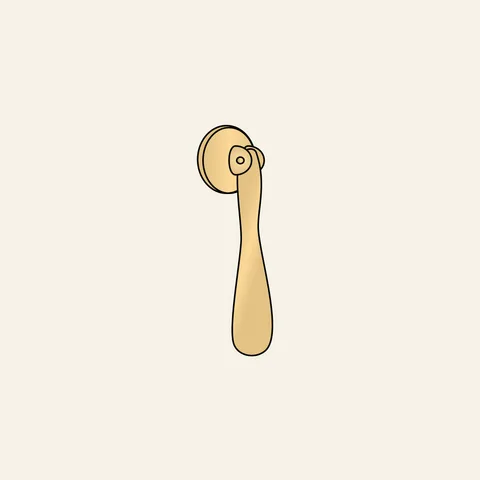
Drop Knob
A single pull that hangs from one mounting point.
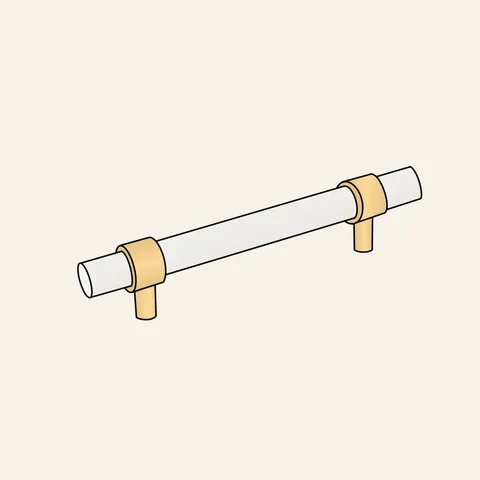
Glass Acrylic Pull
A pull with a clear center and metal mounts.

Side By Side Pulls 2
Two pulls mounted parallel on the same drawer or door.

Side By Side Pulls
Two pulls mounted parallel on the same drawer or door.
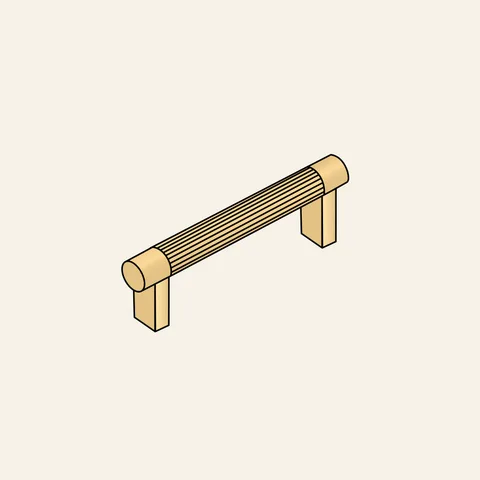
Textured Pull
A pull with a patterned surface for added grip.
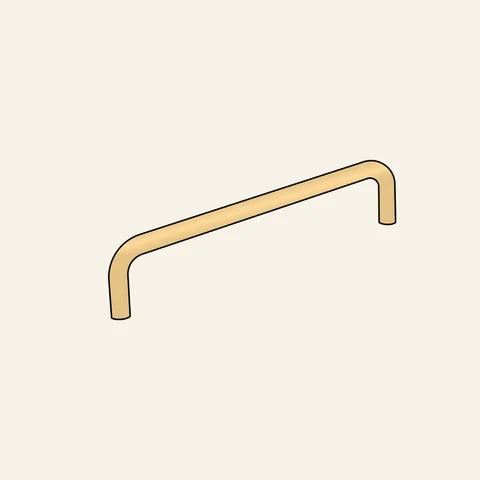
Wire Pull
A thin metal pull formed from bent wire.
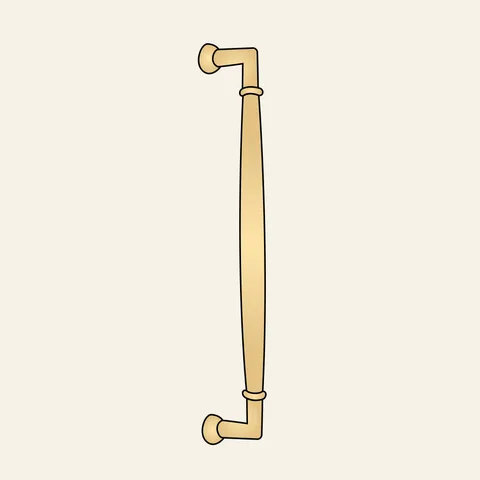
Appliance Pull
An oversized pull designed for heavy appliances.
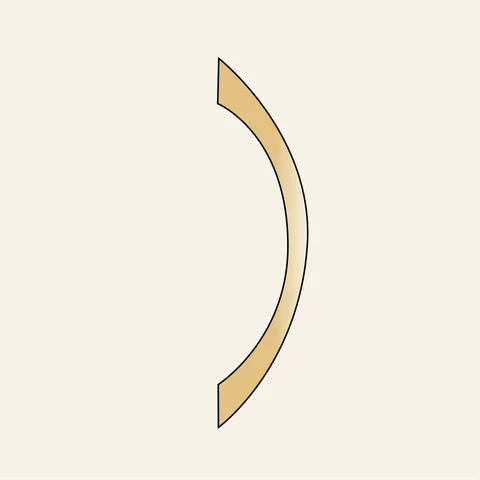
Arched Pull
A curved pull mounted with two posts.
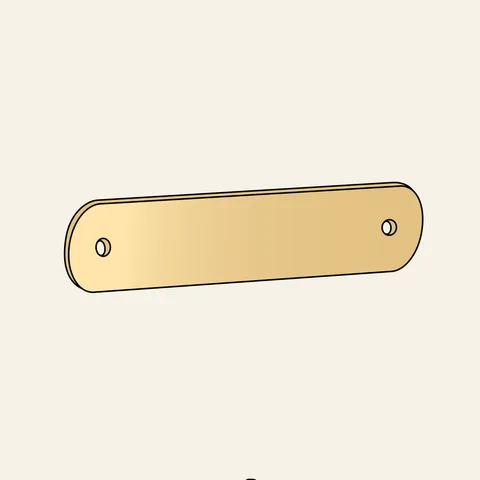
Backplate
A plate mounted behind a pull for protection or style.
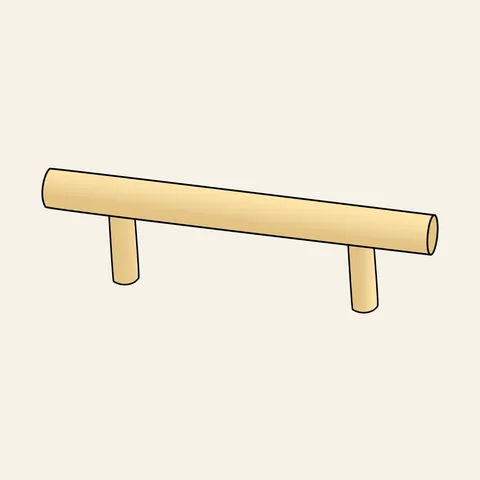
Bar Pull
A straight pull with two mounting posts.
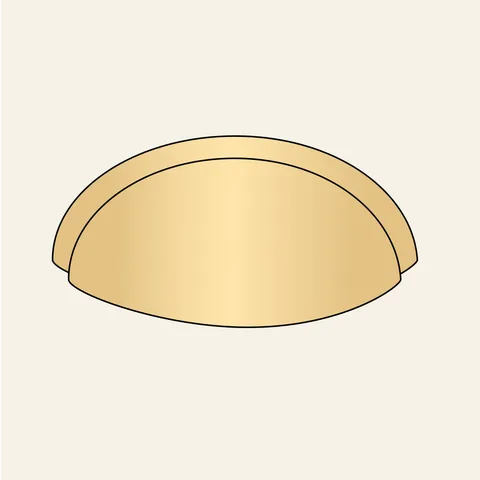
Cup Pull
A half-moon pull with a recessed grip.
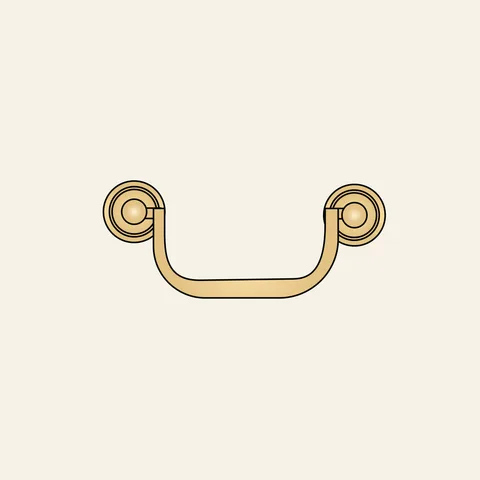
Drop Pull
A single pull that hangs from one mounting point.
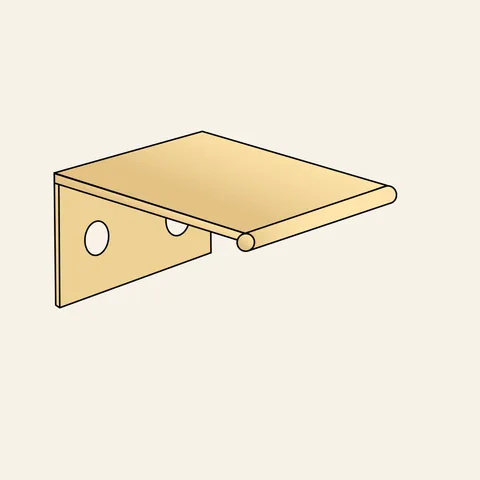
Edge Pull
A pull mounted to the top edge of a door or drawer.
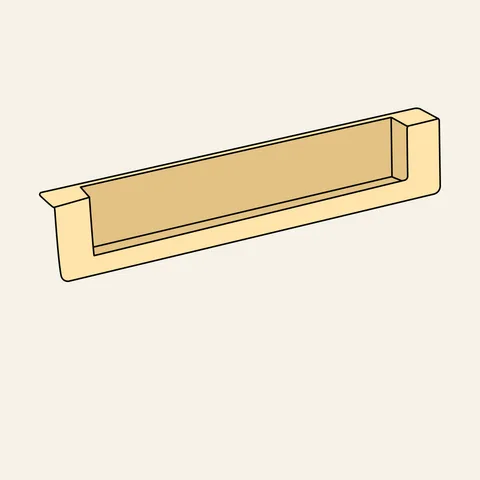
Flush Edge Pull
A recessed pull installed into the door or drawer edge.
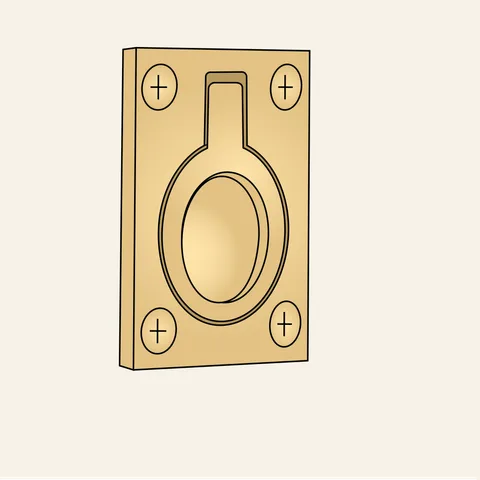
Flush Ring Pull
A recessed ring that folds flat when not in use.
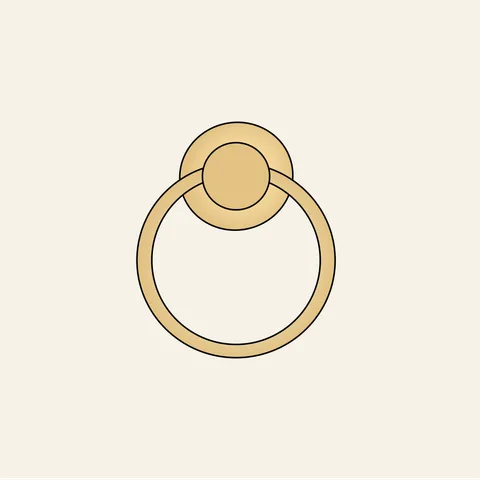
Ring Pull
A circular pull mounted on a central post.
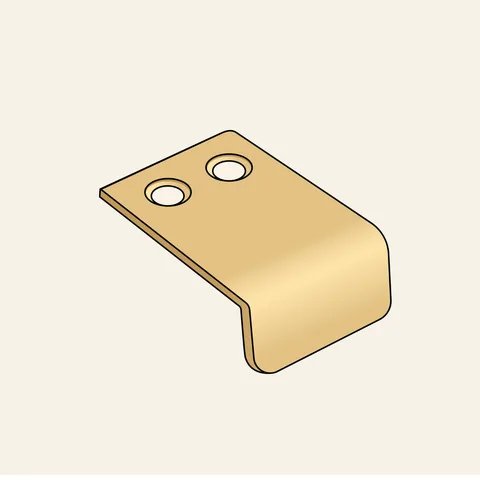
Tab Pull
A small pull mounted at the top or side edge.
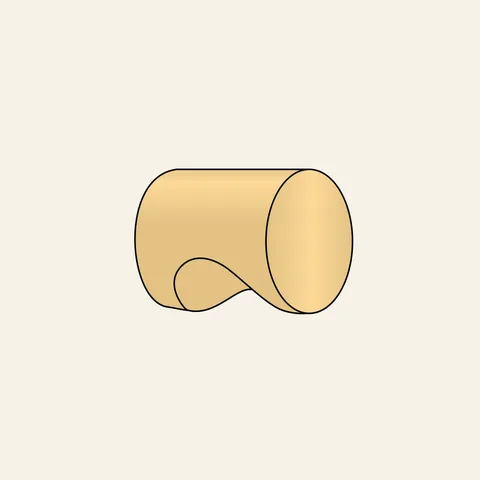
Cylindrical Knob
A cylindrical knob with straight sides.
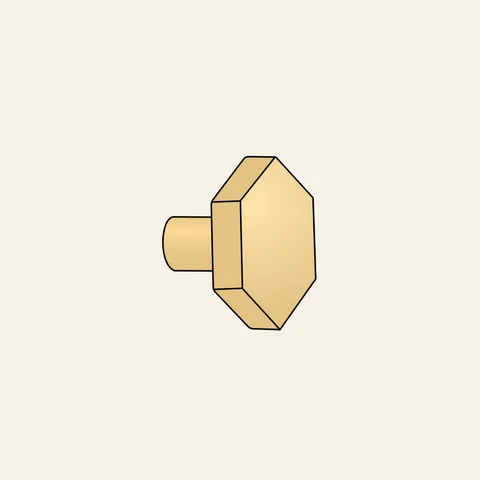
Geometric Knob
A knob with defined angular shapes.
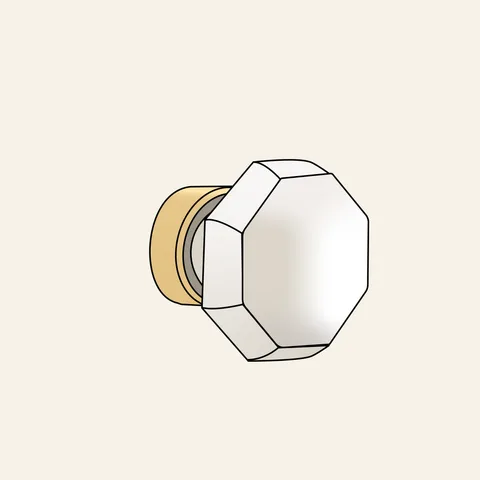
Glass Acrylic Knob
A glass or crystal knob with faceted edges.
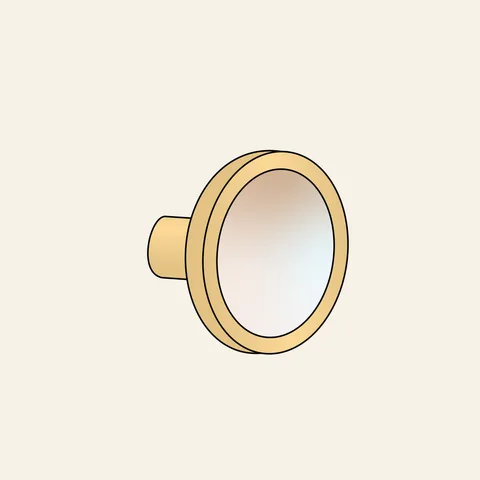
Inlay Knob
A knob featuring a contrasting material in its face.
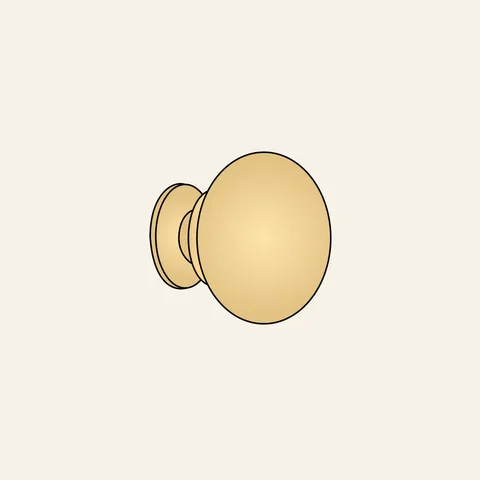
Mushroom Knob
A rounded knob with a slightly domed top.
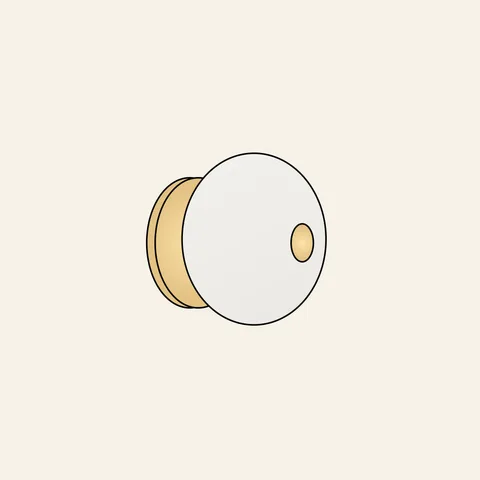
Porcelain Knob
A ceramic knob with a smooth finish.
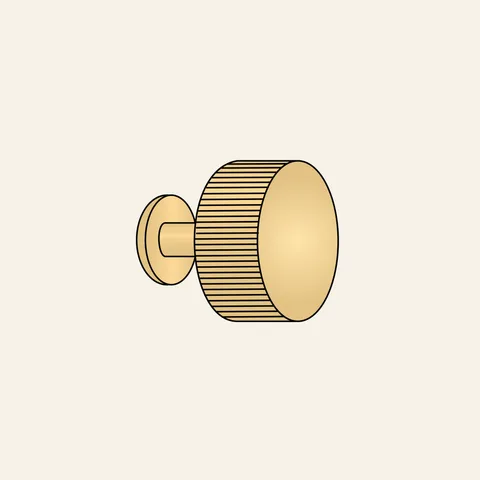
Textured Knob
A knob with a patterned surface for grip.
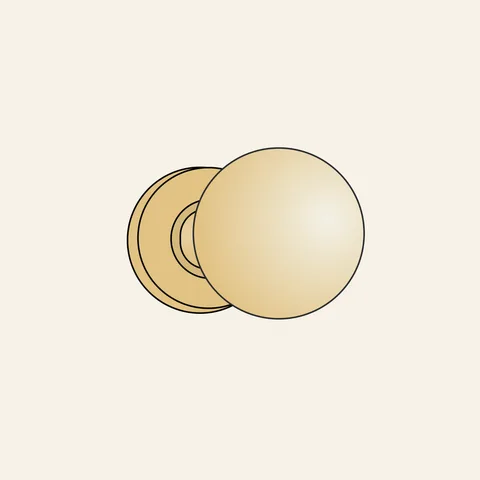
Ball Knob
A round knob with a spherical shape.
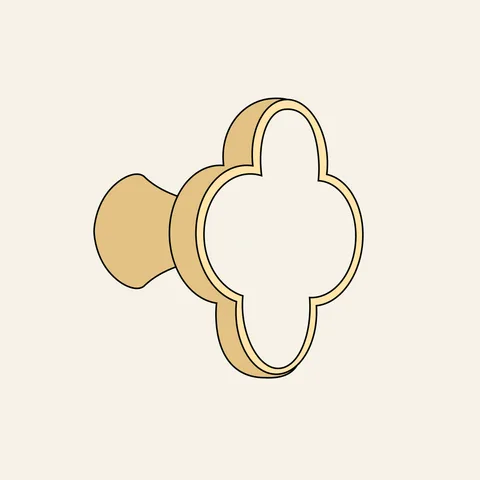
Decorative Knob
A knob with unique shaping used as a design accent.
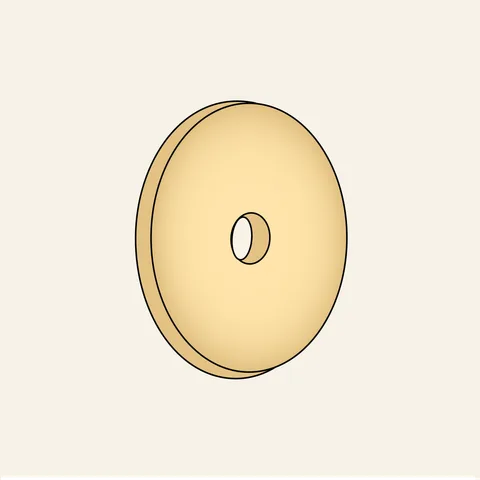
Knob Plate
A plate installed behind a knob for protection or detail.
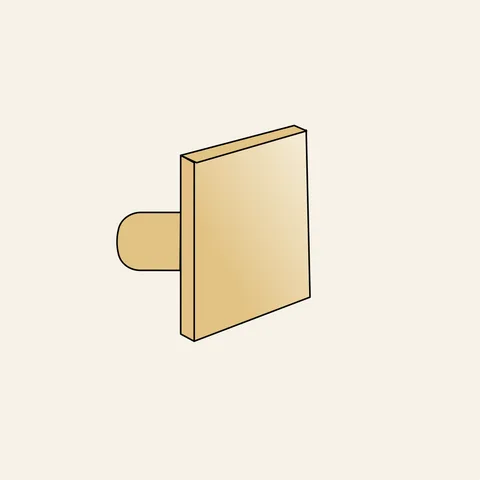
Square Knob
A knob with straight edges and sharp corners.
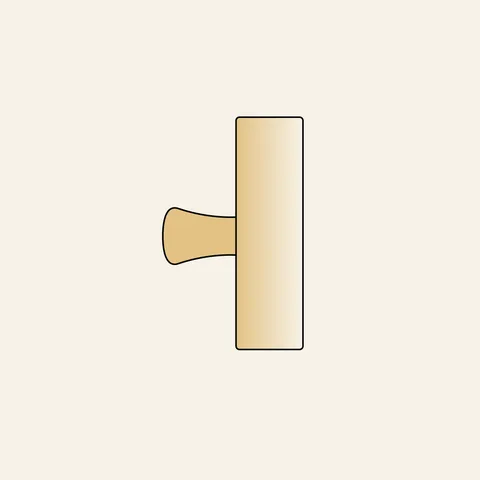
T Knob
A horizontal bar-shaped knob.
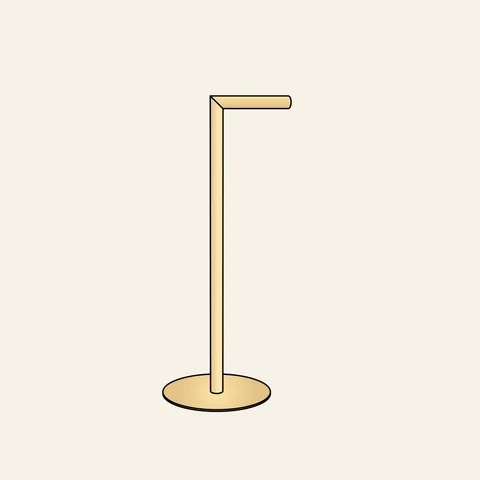
Free Standing Accessories
Unmounted pieces such as trays, holders, and dishes placed on a counter or vanity rather than fixed to the wall.
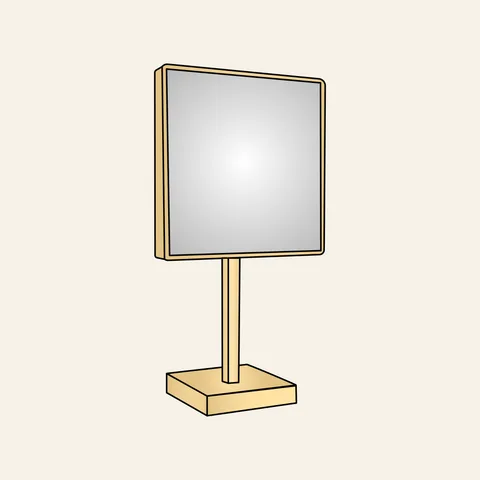
Freestanding Vanity Mirror
A freestanding mirror placed on a counter or vanity.
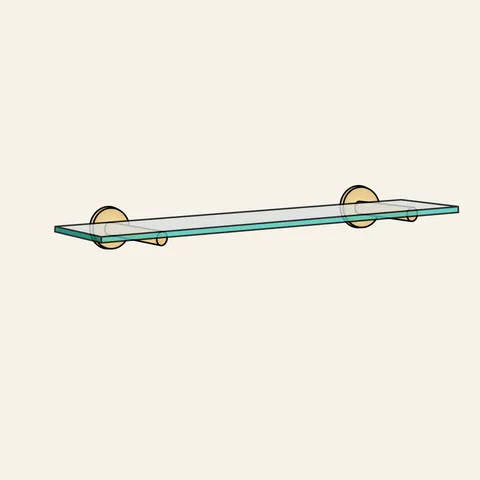
Glass Shelves
A wall-mounted shelf made of glass.
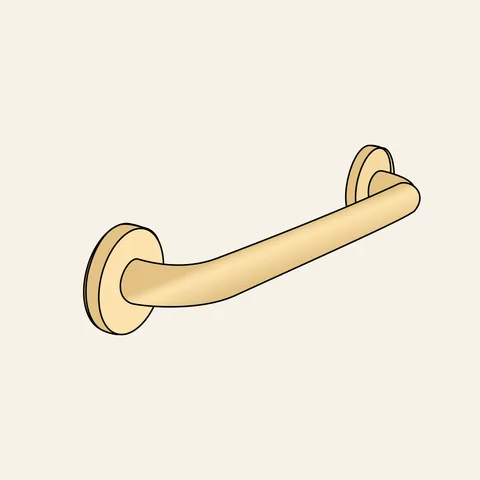
Grab Bar
A sturdy bar installed for support and safety.
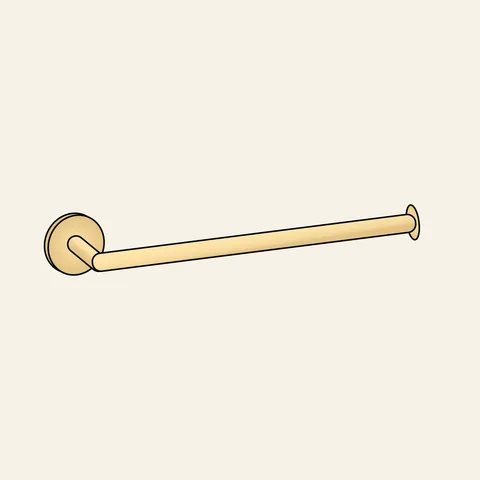
Paper Towel Bar
A holder designed to store and dispense paper towels.
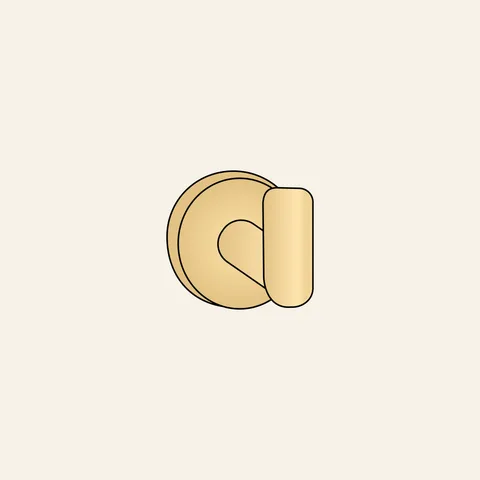
Robe Hook
A single hook mounted to the wall or door for hanging robes or towels.
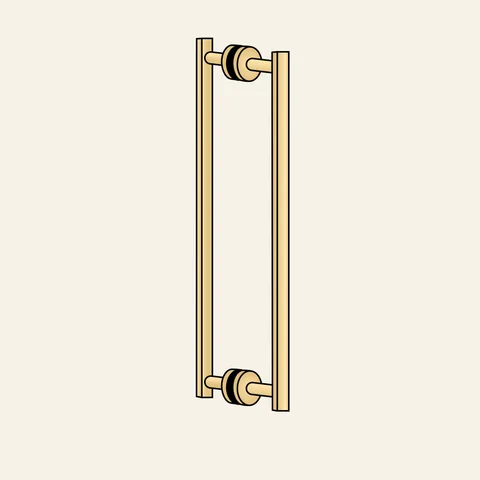
Shower Door Pull Towel Bar
A handle mounted to a glass shower door.
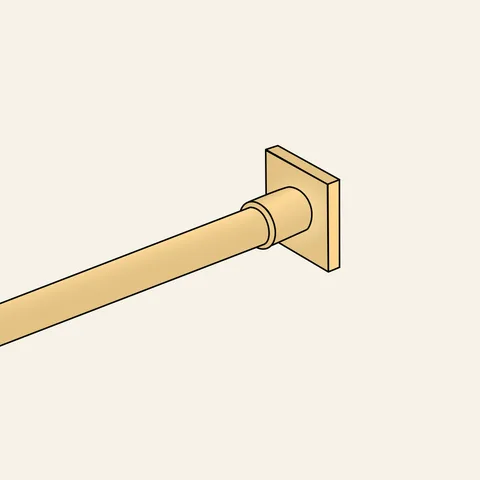
Shower Rod
A rod installed above a shower to hold a curtain.
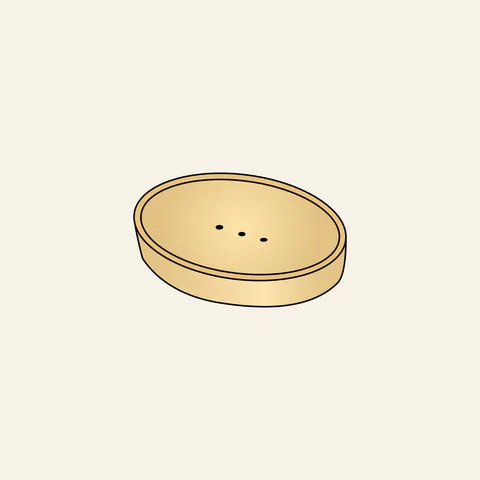
Soap Dish
A tray designed to hold bar soap.
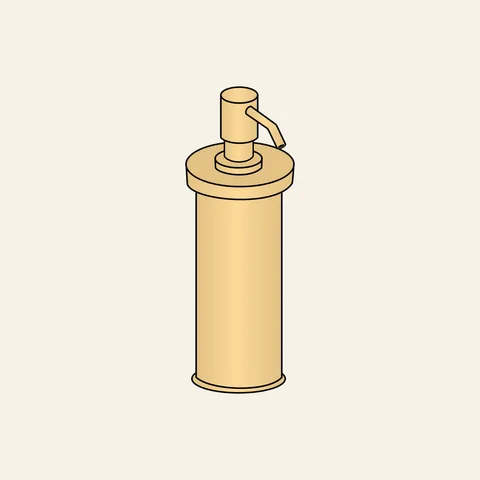
Soap Dispenser
A container for liquid soap, mounted or placed on a counter.
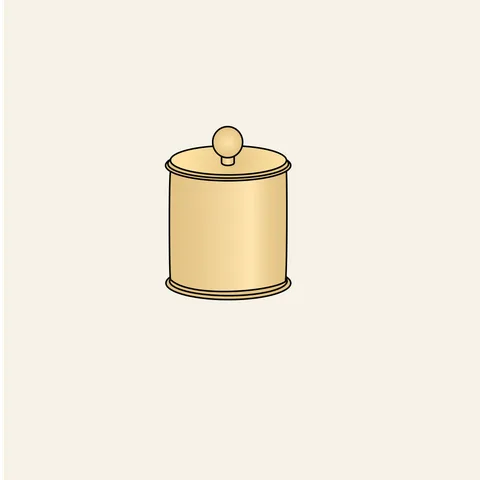
Table Top Containers
Small containers used to store bathroom essentials.
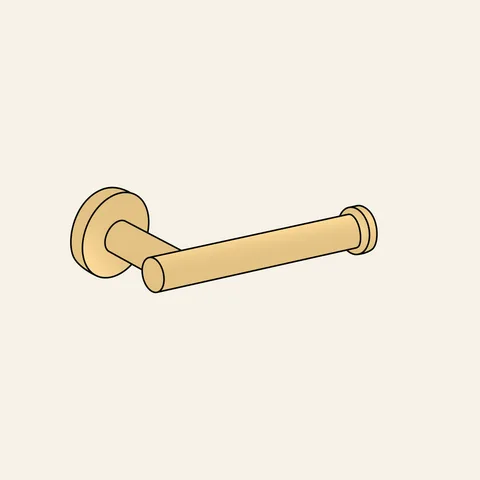
Tissue Holder
A wall-mounted holder for toilet paper rolls.
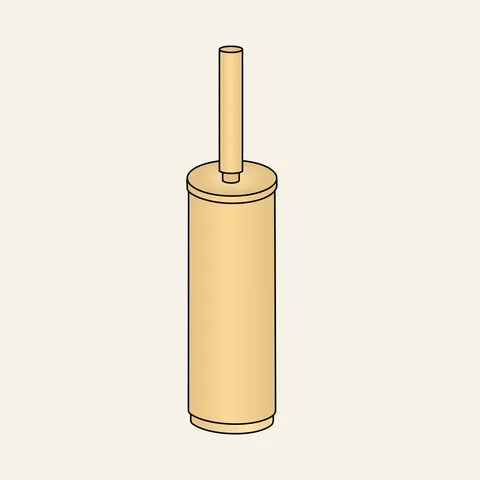
Toilet Bowl Brush
A cleaning brush stored in a matching holder.
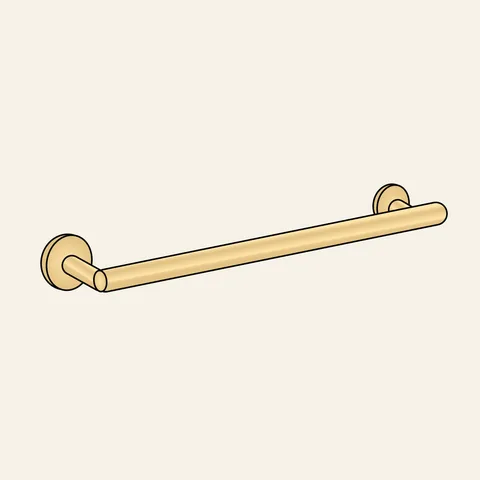
Towel Bar
A horizontal bar mounted to the wall for hanging towels.
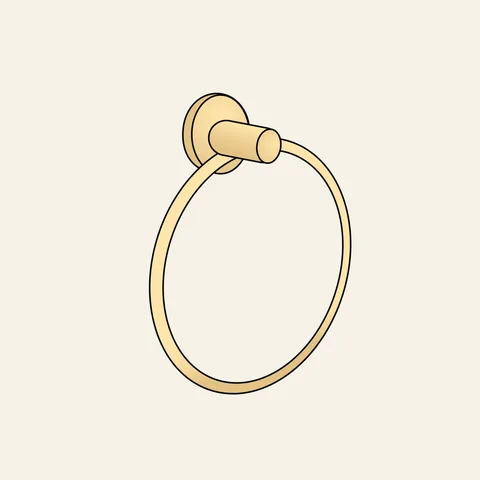
Towel Ring
A circular ring mounted near sinks for hand towels.
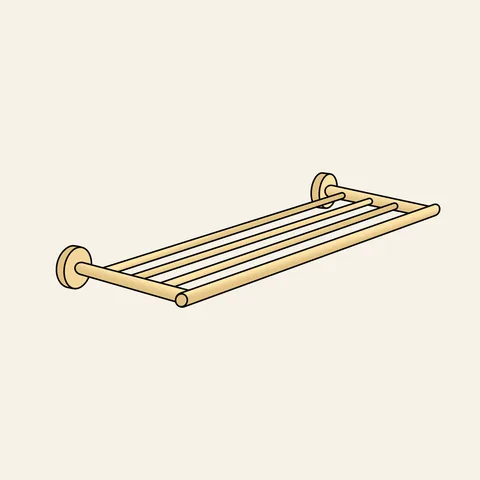
Towel Shelf
A wall-mounted shelf with bars for storing and hanging towels.
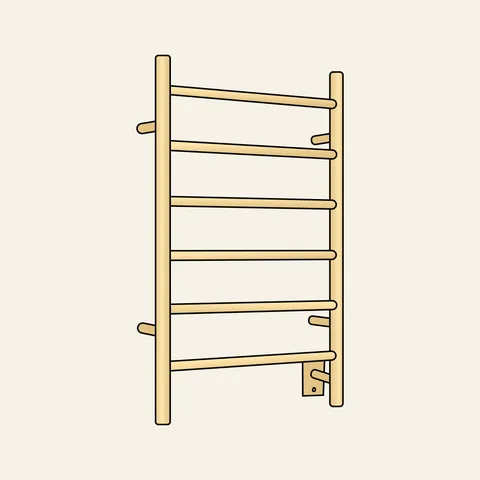
Towel Warmer
A heated rack used to warm and dry towels.
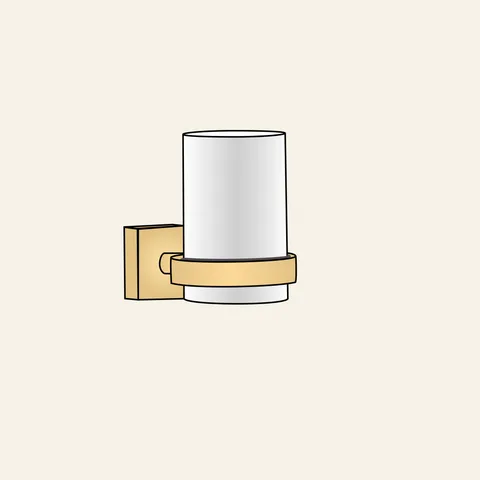
Tumbler
A wall-mounted holder for cups and toothbrushes.
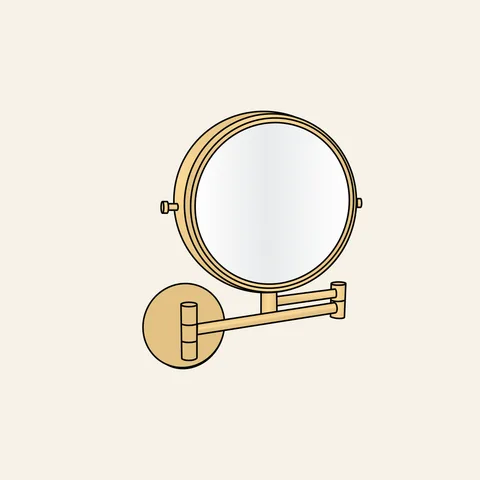
Wall-Mounted Vanity Mirror
A mirror mounted to the wall, often adjustable.
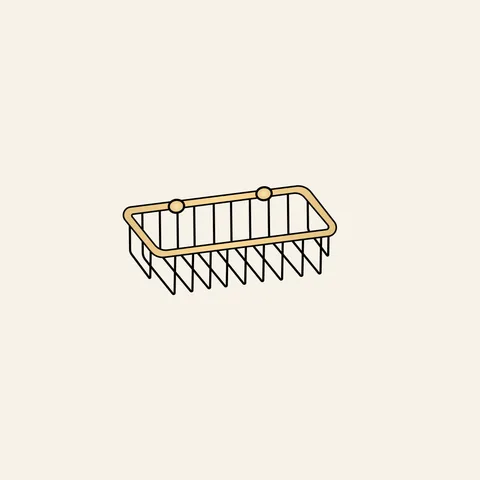
Wire Soap Baskets
A wall-mounted basket used to hold soap or small toiletries.
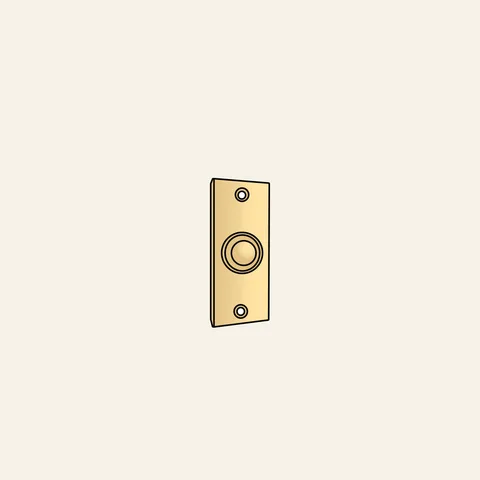
Bell Button Door
A button mounted to a door frame to activate a doorbell.
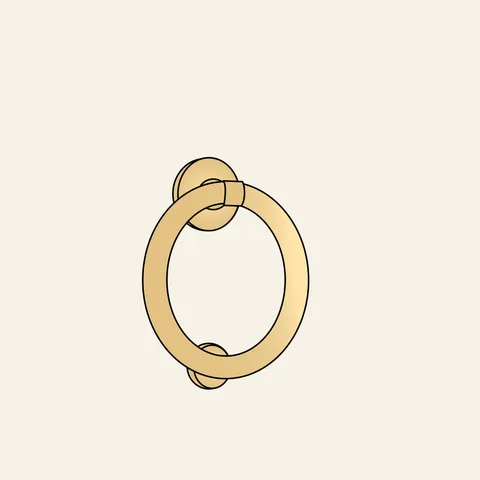
Door Knocker
A decorative piece used to announce visitors.
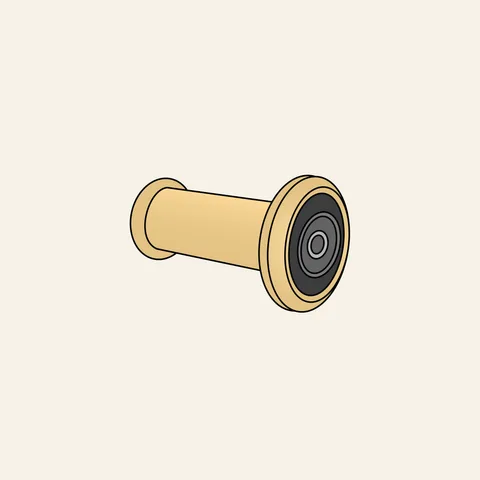
Door Viewer
A small lens installed in a door to see outside.
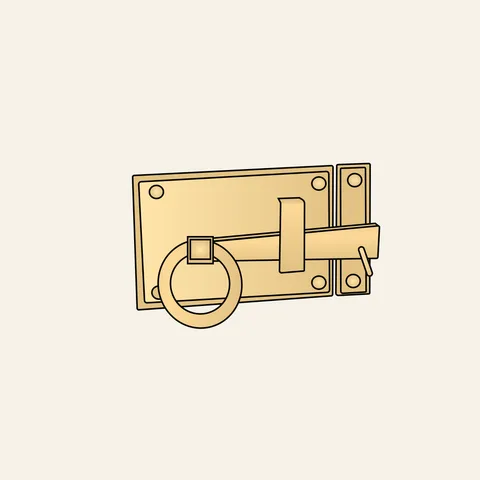
Gate Hardware
Weather-resistant hinges, latches, and pulls used to hang and secure an exterior gate.
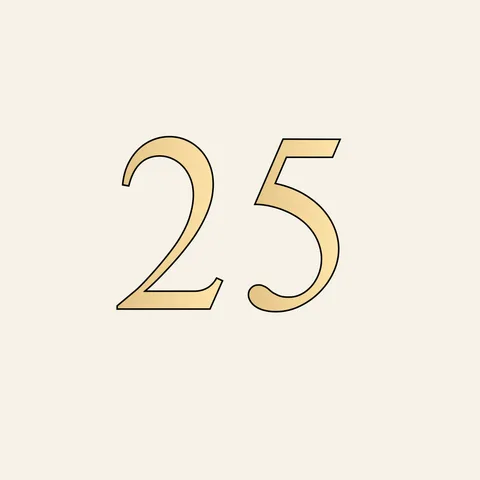
House Numbers
Numbers mounted to the exterior to identify a home.
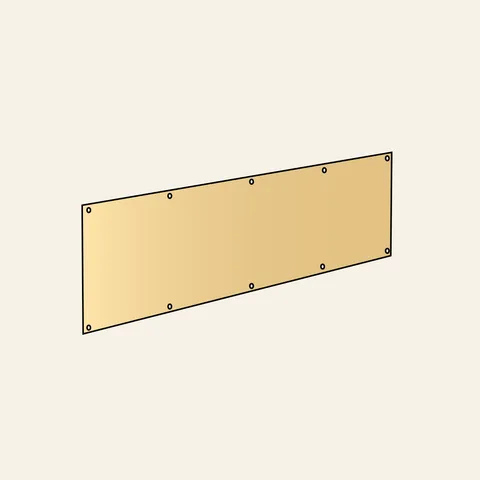
Kick Plate
A protective plate installed at the bottom of a door.
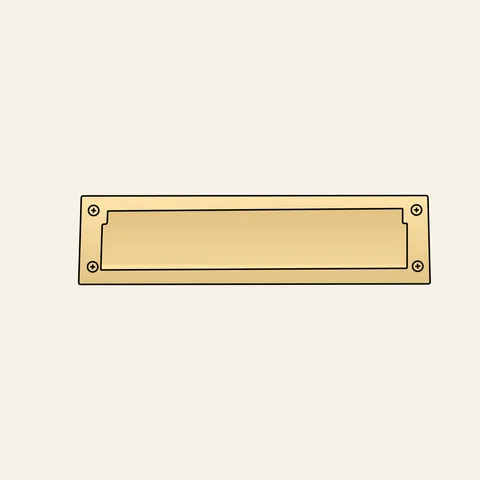
Mail Slot
An opening installed in a door or wall for mail delivery.
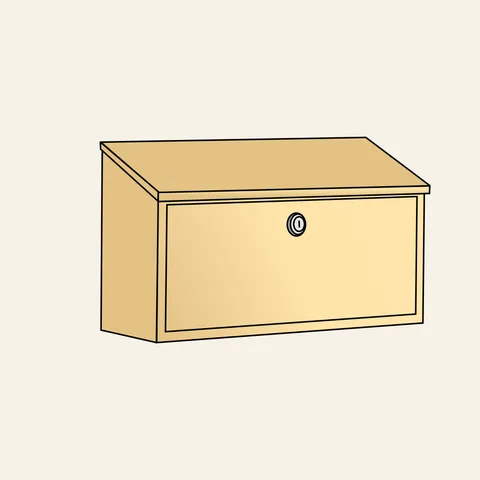
Mailbox
A box designed to receive and store mail.
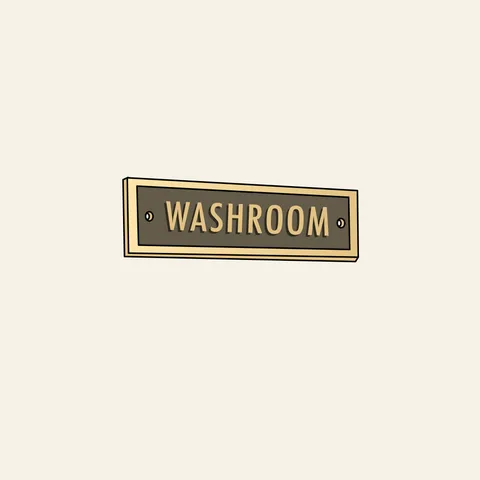
Signage
A mounted plate used for identification or direction.
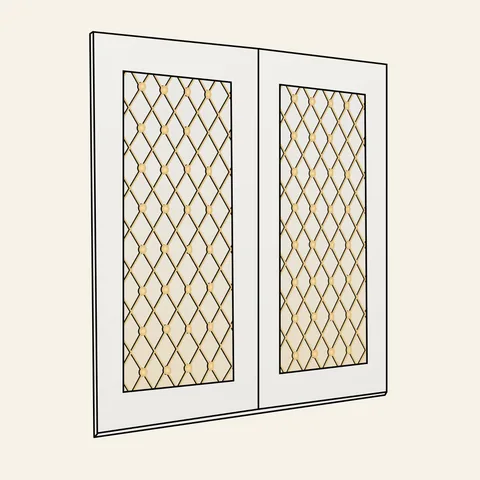
Grilles Cabinet
A decorative metal grille set into a cabinet door for ventilation and a furniture-like detail.
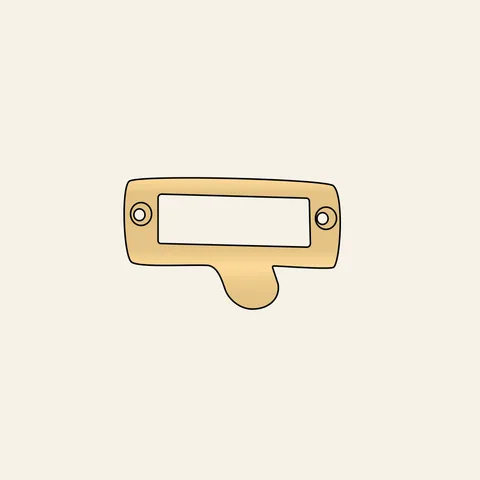
Name Plate
A small mounted plate used to display a name or number at an entry.
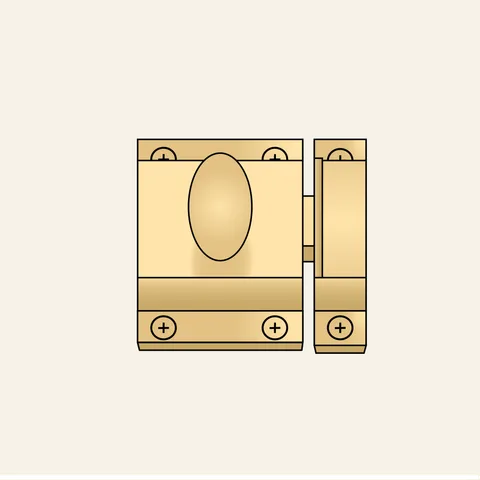
Cabinet Latch
A small catch that holds a cabinet door closed until released by hand.
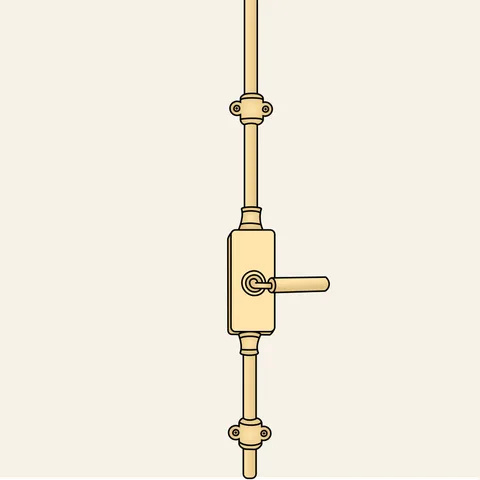
Cremone Bolt
A vertical locking system with rods that extend into the top and bottom of the frame. Often used on French doors or cabinets.
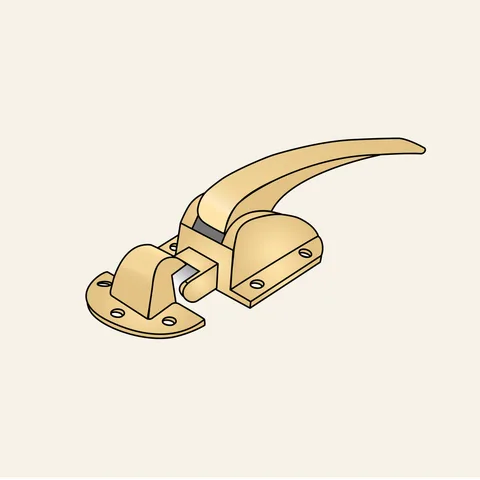
Ice Box Fridge Latch
A heavy lever latch styled after vintage ice boxes, used on cabinetry or panelled refrigerators.